‘The economy will come back’: Myrtle Beach area plans for financial hit from coronavirus
The economic effects of the coronavirus outbreak in the Myrtle Beach area came into better focus during the past week, though the impacts will likely be felt for months after the crisis.
There are now more than 160 confirmed COVID-19 cases in Horry County, including 10 deaths, according to the latest South Carolina Department of Health and Environmental Control data. That is a figure that is climbing with each passing week.
With state and local orders closing many businesses and activities, people stay home and practice social distancing to help slow the virus’ spread. The economic effect of those decisions is now starting to be measured throughout the region.
“The economy will come back, but we don’t know how slow it’ll be,” Horry County Assistant Administrator for Finance Barry Spivey said.
Government takes a hit
Horry County officials said at a budget retreat that they expect the economic downturn due to coronavirus to be worse than those following the Great Recession or 9/11.
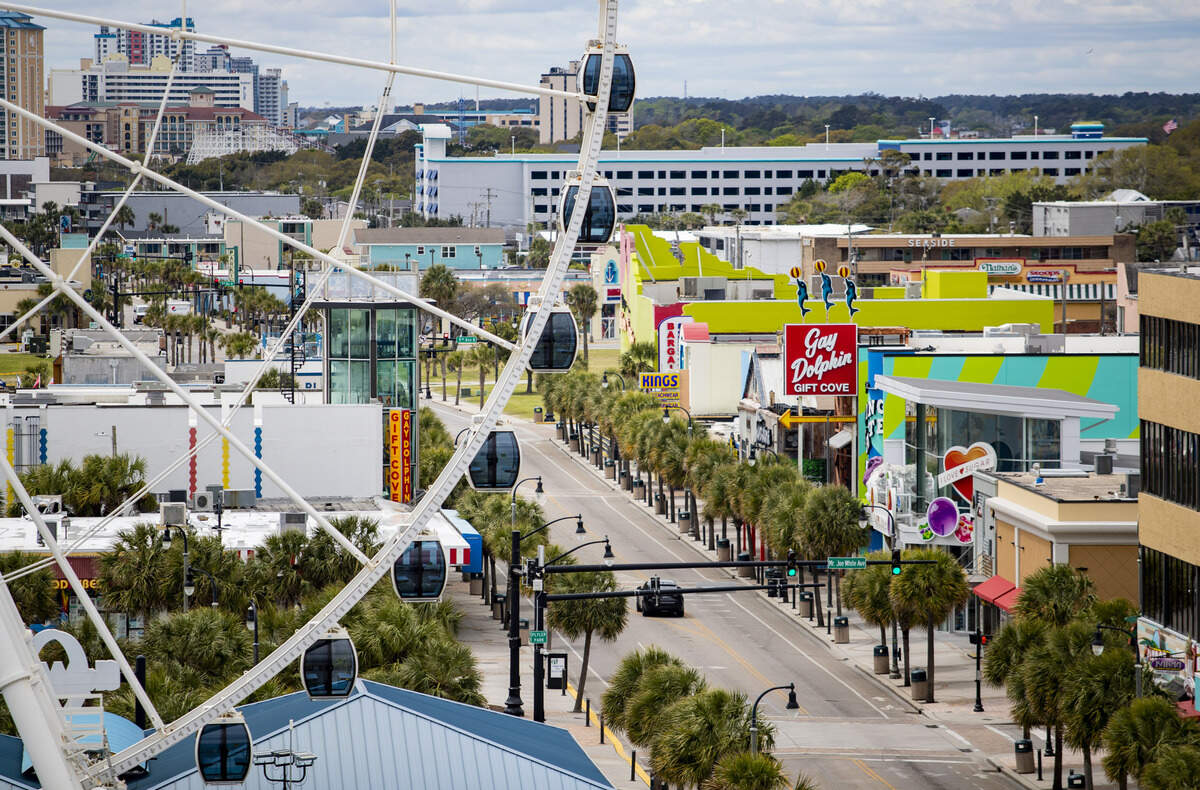
Hotels are closed, amusements are shut down and restaurants are limited to take-out service. That means less tax revenue for county and city coffers. The exact loss is not known at this point, but officials are planning for less. Horry County is considering a spending budget that is down $51 million compared to this year’s.
“We were preparing for council what we thought was a positive budget, but now we are facing COVID-19,” Spivey said at the retreat.
Property taxes and revenue continue to grow, which will help the county during the crisis. There are no furloughs planned for county employees, but also no raises nor new hires outside other than in the police department.
That wasn’t the case in North Myrtle Beach this week, when it announced it furloughed 186 part-time and full-time workers. The move was due to a lack of services being used in the coronavirus environment.
“That is simply because there is no current demand for some of the services offered by some departments,” city spokesman Pat Dowling said. “Very little revenue is being generated in the community and that means very little revenue coming to the city.”
Coastal Carolina University also waits for state approval before it moves forward with with cost-savings measures. That includes furloughs and early retirements, university officials said late last week.
The university is “bleeding cash” as its moved to an online-only model of education.
“It is our hope to get permission to start before the General Assembly proceeds,” CCU President David DeCenzo said. “We certainly hope that the state’s HR will give us permission to begin dealing with the issues we are facing.”
Local businesses feel the crunch
It’s not just government agencies feeling the financial impacts of coronavirus, as more businesses have looked at cost-saving measures.
Medieval Times laid off more than 100 workers, according to data submitted to the state.
Coastal Grand Mall also might not be able to make payments on its $100 million loan, according to information provided by financial analysts Trepp. The collateral on the loan is the 1.1 million-square-foot retail space off U.S. 17.
MagnifyMoney, owned by Lending Tree, used the United States Bureau of Labor Statistics data and determined Myrtle Beach is one of the hardest areas hit by the economic downtown.
The study found approximately 33 percent of 167,000 workers in the Myrtle Beach area work in retail, personal care or in food service. That is the highest percentage across the U.S.
That news analysis comes as Horry County continues to outpace most other South Carolina counties in unemployment claims. There were 7,930 initial unemployment claims in Horry County in the week ending April 11.
Some of the area’s most popular festivals have also been postponed or canceled due to the coronavirus threat. Those include both bike weeks, the Monday After the Masters, the Little River Blue Crab Festival and Carolina Country Music Festival.
Residents feel the pinch
Locals are also adjusting to an ever-changing lifestyle because of the coronavirus threat. Residents continue to live under the state’s “work or home” order and many businesses closed.
.jpg "0401beach-3 (1).jpg")
Horry County Schools announced it suspended its plan to provide meals after a third nutrition specialist tested positive for COVID-19. There are plans to resume the service in some form.
That news comes as school children return to virtual school next week.
There was some good news this week as Gov. Henry McMaster lifted restrictions and allowed the public to use boating ramps. Officials emphasized boaters still need to practice social distancing.
“Do the things we asked you to do before and we will be fine,” McMaster said.
Residents also continue to help and inspire each other with everyday actions. Chalk on the sidewalk in Market Common thanked essential workers and first responders. People have donated supplies and meals to local police agencies.
South Bay Inn & Suites is closed, but its manager Rob Dowd used the building’s facade to share 100-foot tall inspirational messages with the community.
“Go big or go home, right?” Dowd said. “It was easier than a lot of people think. It was just time-consuming.”