This golf course with a one-of-a-kind layout in the Myrtle Beach market is closing
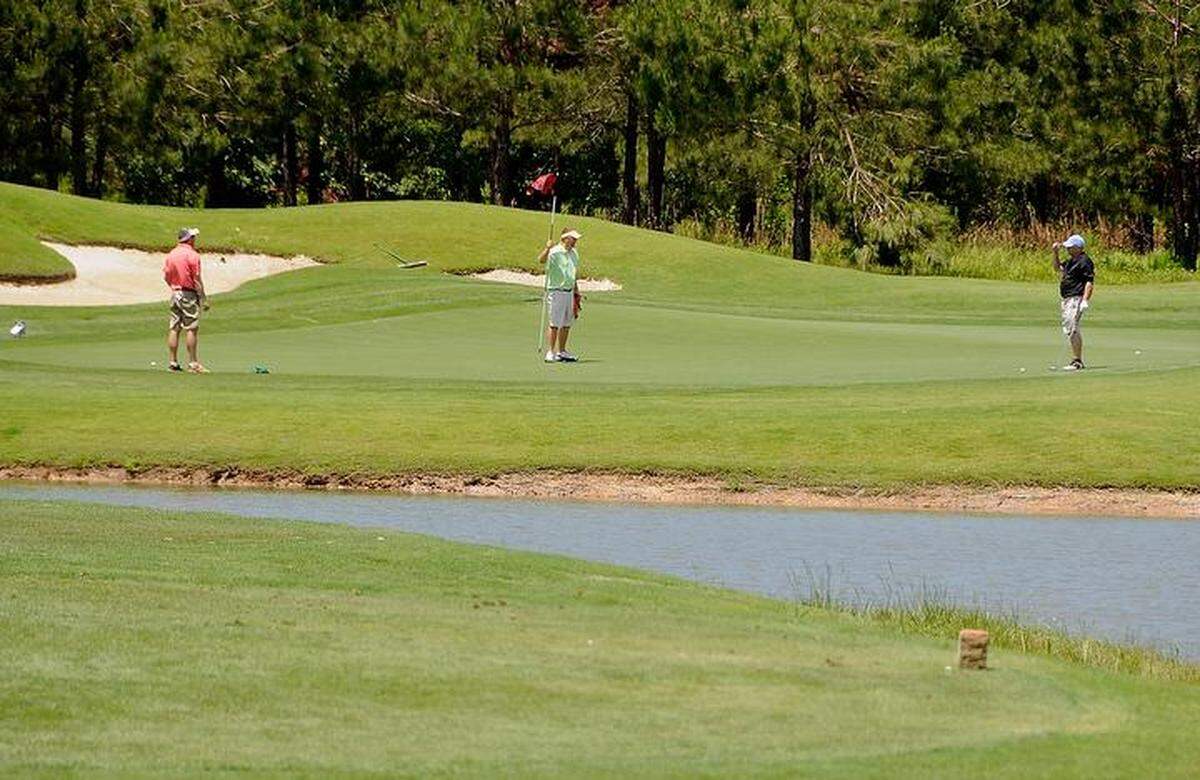
Farmstead Golf Links, home to the only par-6 golf hole on the Grand Strand and one of just a few in the U.S., will close at the end of October.
Owner W.J. McLamb said he has sold the course to a developer that intends to build a housing development on the property that straddles the North Carolina-South Carolina border in Calabash, N.C., and Little River.
The course is 20 years old, but McLamb turns 90 in October and wanted to relieve himself of the responsibility of the business.
The course is scheduled to close following play on Oct. 31.
“I figured at my age I needed to make some changes. I can’t keep up this pace for the next 10 years,” McLamb said. “Things evolved and I decided I needed to get out.”
McLamb was hands-on with the building of Farmstead, spending time on machinery during the construction.
“It’s got a lot [of sentimental value], but that’s life and things have to change,” he said. “You have to do what seems like is best for the future, and I know at my age I couldn’t hang onto it.”
The McLamb family has been divesting from golf courses and its long-owned property over the past couple decades.
McLamb said he expects the course will be redeveloped as a high-end residential subdivision, with a mixture of single family and multifamily homes, which he said the property is already zoned to accommodate.
A long family history
Some of the Farmstead property has been in the McLamb family since 1939 when W.J.’s father, also named William Joseph, purchased it and then built a house in 1946. “So we’ve been here ever since,” McLamb said.
The property was generally farmland and timberland until the course was built.
W.J.’s father was a N.C. state legislator, Brunswick County judge and founder of W.J. McLamb and Son Construction and Mac Construction.
The McLamb family has owned property along the border since the 1700s. Farmstead’s address is 541 McLamb Road NW in Calabash. “So I was a little bit attached to it,” McLamb said.
McLamb also built and owns nearby Meadowlands Golf Club, a 6,900-yard Willard Byrd design that opened in 1997, and that course will remain open under the direction of McLamb’s grandson, Jakob, who has been operating it for a few years.
“He’s very interested in it so I decided to let him end up with it,” McLamb said. “That’s good to keep something in the family, you know.”
Farmstead and Meadowlands general manager Harris D’Antignac will remain the GM at Meadowlands, which is fully developed with about 400 homes around it.
D’Antignac said Farmstead isn’t closing due to a lack of success. “The golf course has probably matured so much over the years, it stays in superb condition year-round. It was profitable, I’ll tell you that,” D’Antignac said.
McLamb was an original owner of the 27-hole Brunswick Plantation, which opened in 1992, but sold out of that course in the late 1990s. A cousin, the late Jerry McLamb, built nearby Crow Creek Golf Club for a 2000 opening and his relatives sold it two years ago.
The features of Farmstead
Farmstead is a Willard Byrd and David Johnson par-72 design that has challenging length at 7,242 yards, a country feel with vast fields along holes, a fair amount of water hazards and bunkers to provide a test, and variety throughout the routing.
The course is best known for the 767-yard 18th hole that turns around a large pond on potentially the second, third and fourth shots.
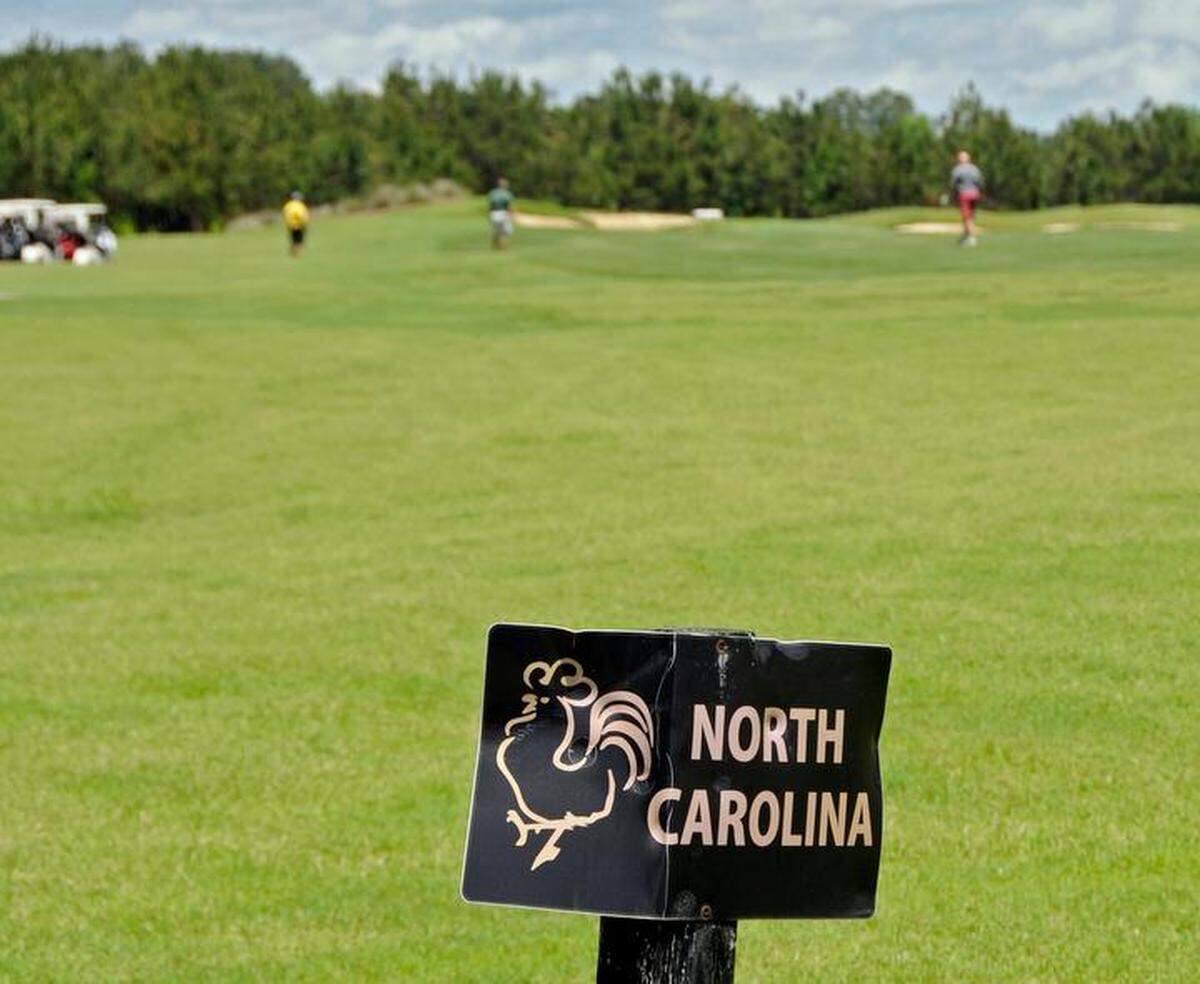
In addition to the par-6, Farmstead is also notable for having holes in both South and North Carolina. It crosses the border along the par-5 14th hole.
The G2 Golf Group school, operated by instructor Elizabeth Granahan and Michele Gajderowicz, that was located at Farmstead earlier this year moved to Meadowlands and a new building on the driving range about three months ago.
The loss of Farmstead and pending loss of The Witch Golf Links in Conway after Thanksgiving continues the paring down of the Myrtle Beach golf market.
In 2001 there were 120 courses between Georgetown and Southport, N.C. That number is now below 90. Many have been sold and closed in favor of residential development.
“That’s the industry,” McLamb said. “We all overbuilt back in the 1990s and it had to change. It couldn’t continue like it was.”
This story was originally published September 1, 2021 at 8:11 PM.