‘A new perspective on life’: Grand Strand golf instructor rejuvenated after cancer scare
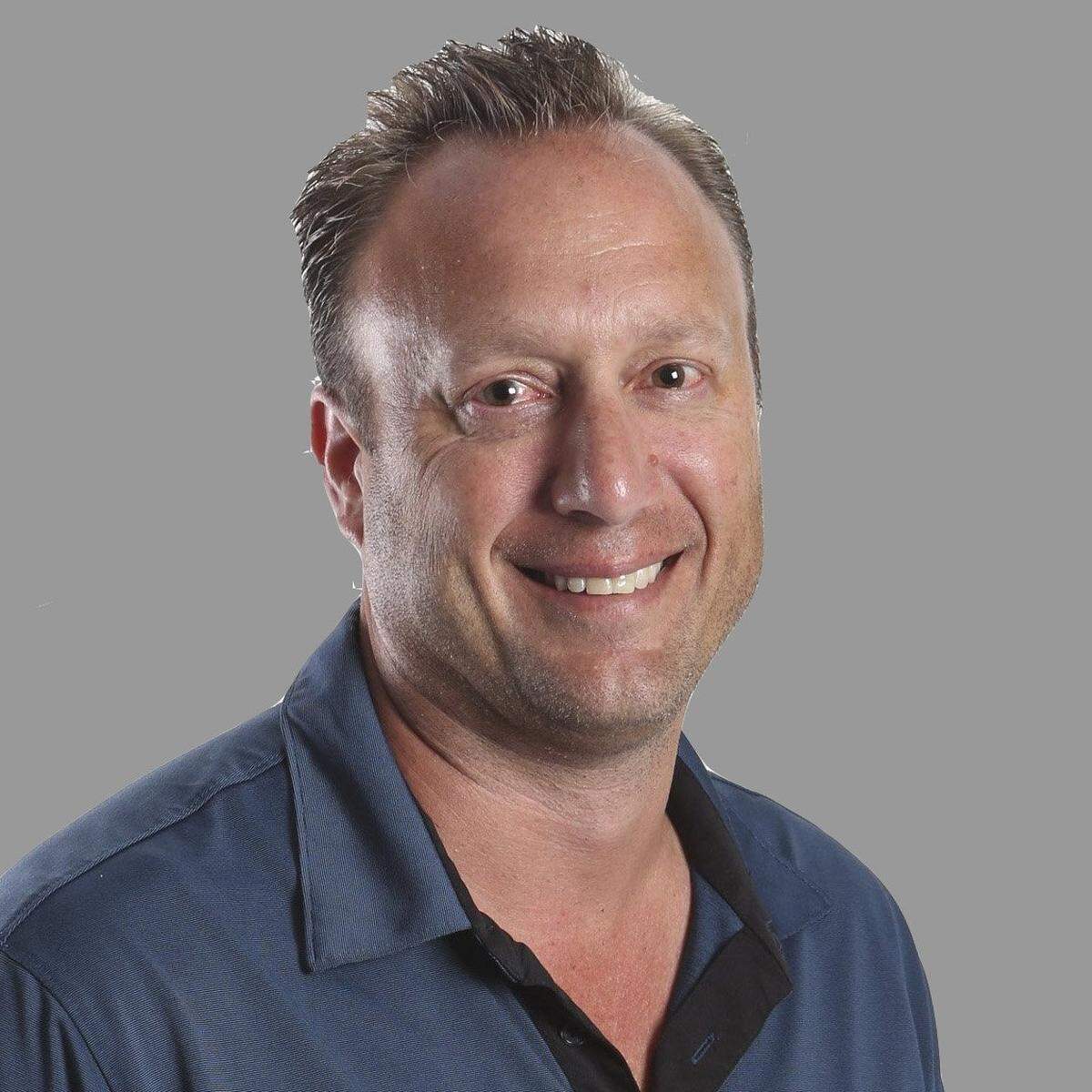
Hugh Royer III is back where he belongs – on a golf course.
The former PGA Tour member returned to being the head of golf instruction at Tidewater Golf Club in March after more than 10 months away from the game that has been his professional life.
He’s back, and he has returned rededicated to playing and with a newfound mission.
“It’s fun. I have a new perspective on life, put it that way,” Royer said. “We’re putting things together and having fun with it, trying to educate people, No. 1, and No. 2 me being able to have some fun and do things.”
Royer, 55, has spent nearly the entire past year overcoming basal cell carcinoma that he said came within a centimeter of reaching his brain, and recovering from its treatment and three surgeries to reconstruct much of the right side of his face.
He is committed to helping others avoid his ordeal with a skin cancer awareness and prevention campaign.
He won four times on what is now the Web.com Tour and was a full-time member of the PGA Tour for three years from 1996-98, and he believes years of playing and teaching golf in the sun greatly contributed to the development of his cancer.
The campaign
He is working with the Skin Cancer Foundation and has created a motto for his campaign: “Protect Your Skin If You Want To Win,” which he said is in the process of being trademarked.
Royer wrote an article under that title for PlayGolfMyrtleBeach.com, the website overseen by the Golf Tourism Solutions technology and marketing agency.
He intends to have a number of speaking engagements – many for amateur and youth golf organizations and at least one during the PlayGolfMyrtleBeach.com World Amateur Handicap Championship – is pushing awareness of UV-protection clothing, and is on a mission to have sunscreen dispensers in every Grand Strand clubhouse.
“We’re going to do a lot of stuff with junior golf,” Royer said. “That’s kind a big thing for me, getting started early to where they can not be 40 years old and find out they needed to do this to protect themselves.”
He hopes to expand the campaign outside the area as well and is trying to involve sunscreen companies, a dispenser company and UV clothing company in the movement. He wants applying sunscreen to become as much of a daily activity for people as showering, brushing teeth and combing hair.
“Basically I’m just helping people have an awareness of what they need to do to help themselves, and as much as it is my demographic as far as golf goes, it’s getting to everybody,” Royer said. “A lot of people don’t understand African-American people are more susceptible to skin cancer than we are. They don’t see the discolorations we do. . . . There’s different aspects to this that can help all races.”
Royer plans to spend at least the next year-plus splitting his time between teaching, rejuvenating his playing career and spreading the word about skin cancer.
The native of Columbus, Ga., and son of longtime PGA Tour member Hugh Royer Jr., hasn’t worked full-time since last April.
He has since had seven surgeries encompassing 43 hours – four to remove the cancer and three on reconstruction – and 30 rounds of radiation.
“This last year has been literally hell,” Royer said. “You figure seven surgeries in nine months, plus 30 rounds of radiation over six weeks, five days a week, the experimental treatments because of radiation damage to the skin. . . . You could literally look through a hole and see my sinus.”
He has taught very sparingly over the past year and played last October in the inaugural 18-hole Mentor Cup at Tidewater with a friend’s son. But he seldom left his house aside from driving to surgeries and doctor appointments.
“They make you sit around and put you on house arrest so you don’t get to do a whole lot,” Royer said. “ . . . I got tired of playing Fortnite on my phone, which my kid taught me how to do, and watching television. You don’t want to be out in public, so I kind of secluded myself. You get tired of people looking at you funny.”
Royer, who didn’t have health insurance, has been aided by an active GoFundMe page established by a friend and benefit tournament through the fledgling Myrtle Beach Golf Cares foundation supported by Golf Tourism Solutions.
“It was very tough, very hard on my family,” he said. “Obviously not working for 10 or 11 months is extremely hard on my family – my wife [Heather] pulling the reins on that with her job. Trying to get back on our feet and stay above water for now is the hard part.”
Royer said he can’t smell anything and his taste buds are weak.
He is also very susceptible to sinus infections and the right side of his nose will sometimes run unabated because that side of it was completely rebuilt.
“That’s the kind of stuff I’ve got to live with the rest of my life,” Royer said.
The diagnosis
Royer had basal cell carcinoma removed off the tip of his nose in 2012, and in 2015 he had a recurrence removed.
A bump appeared on the right side of his nose in 2016, and after being told several times by doctors and nurses over a couple years that it was nothing serious, and being given treatments for less serious diagnoses, the bump continued growing and cancer was finally discovered through a biopsy last April by Myrtle Beach ear, nose and throat doctor Daniel Rosner.
“This should have all been avoided if a biopsy had been done in the first two dermatologist appointments I had in March and August of 2017,” Royer said.
Royer said Rosner began a surgery but discovered the cancer was much more invasive than he anticipated and referred Royer to a couple doctors, including Evan Grayboyes, at the Medical University of South Carolina (MUSC) in Charleston.
A neurosurgeon was required during an eight-hour surgery because of the proximity to his brain. Royer said the cancer nearly reached the base of his brain along the sensory V2 (maxillary nerve) portion of the trigeminal nerve that is responsible for sensation in the face and motor functions such as biting and chewing.
The surgeries required doctors removing much of Royer’s nose and right cheek.
He takes daily medication to prevent sinus infections, though he has had three over the past month and expects to soon start a new treatment.
Back on course
Royer hopes to return to playing competitive pro golf.
“That’s the fun part now,” he said. “I actually for the first time probably in 10 or 15 years want to play golf, where before I didn’t really care about it. But after almost losing everything you kind of itch for it. . . . It gives me a fun chance to get out and do it, and then people want to play golf with you, so you can make those friendships and those relationships.”
He has hired agent Nick Biesecker of Resolute Sports Advisors to assist him with a schedule and garnering invitations and exemptions for tournaments.
He also plans to attempt weekly qualifiers for Champions Tour events and enter the Champions Tour Q-School in the fall if he feels he has recovered sufficiently.
“If I can get back to what I feel is 100 percent I’m going to try to go through the tour school this year for the Champions, just because I’ve been out of it for so long and after going through this, why not? What have you got to lose?” Royer said.
Royer has hit balls on the range a handful of times over the past month and posted video of a few swings on Facebook, which elicited messages of encouragement from many old friends.
“It’s fun just being able to be around people and be myself,“ he said.
This story was originally published April 1, 2019 at 7:54 PM.