Behind the scenes of Gamecocks path to NIL era, crafting USC’s policy and what’s next
Student-athletes in South Carolina and across the country are already benefiting from their names, images and likenesses, thanks to an NCAA decision and various accompanying state laws. New rules that began Thursday allow college athletes to make money through personal business ventures or endorsements.
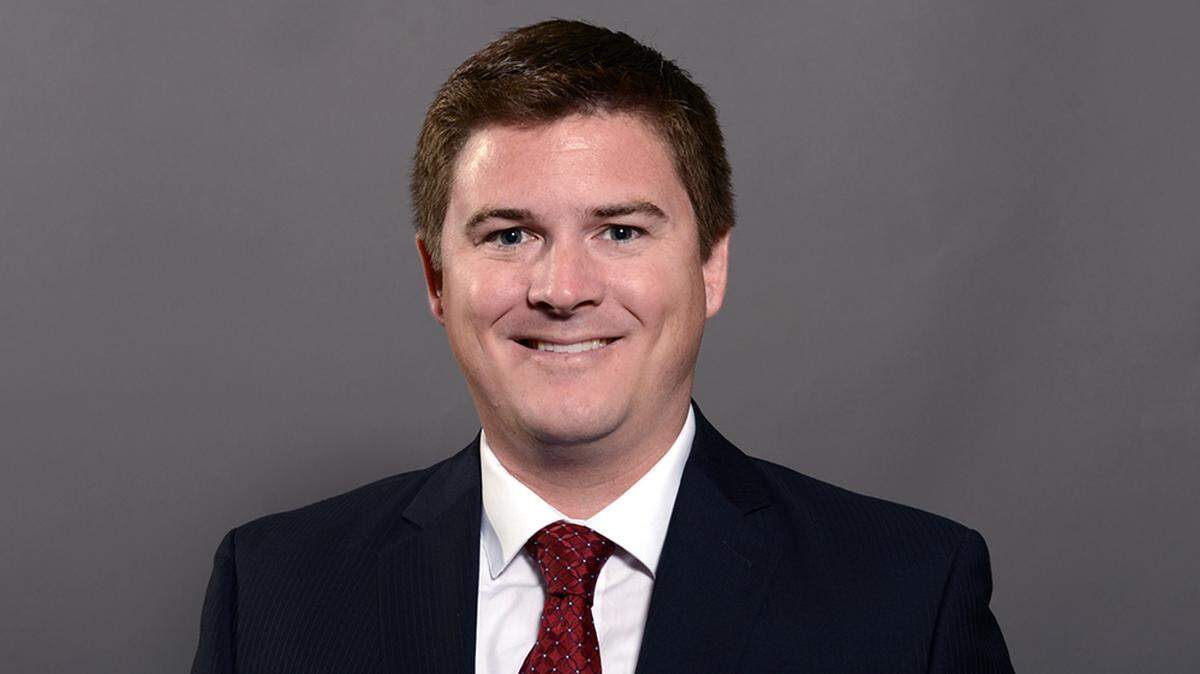
In preparation for the colossal change in collegiate athletics, University of South Carolina administrators have spent the bulk of the past year developing programs and policies. USC senior deputy athletic director Chance Miller, who’s helped spearhead the overhaul within the Gamecock athletic department, sat down with The State on Thursday to discuss the changes.
(This interview has been edited for clarity and length.)
Ben Portnoy: Obviously the changes to NIL legislation can get complicated. In layman’s terms, how would you describe what is happening at the moment?
Chance Miller: “Name, image and likeness we’ve known has been coming for a while, right? We didn’t know exactly what the rules would look like, whether they would be federal legislation, individual states, or the NCAA would come out with guard rails. There were there were probably 100 different proposals out there from different people. But we knew it was coming.
We’ve been prepared for a while and what we decided to do was take a very intentional approach to this and not say, ‘Hey, we just want to partner with somebody so we can throw out a recruiting video,’ or to say, ‘Hey, this is our partner, and they’re doing all NIL.’ It’s not a one-size-fits-all approach and this is not a sprint, either. It’s a long-term journey with your student-athletes.
I think a lot of people in the industry might have been scared or nervous about it. But I think we looked at it and said, ‘Our mission has always been our student-athletes first, right? And we’ve always wanted to educate our student-athletes both on and off the field of play. And we really focused on our student-athlete development, career programming, resume-building internships, job placements, interview techniques and stuff like that. We feel that this is just an extension of that education.
Name, image and likeness can be different for all types of different student-athletes. You can have the star that gets the big-time deal; you can have student-athletes that are really good at promoting themselves and stuff products on social media; You can have the student-athletes that want to do appearances and shake hands will do autograph signings; or the other one is your student-athletes have really great ideas and can be entrepreneurs, and really take advantage of their platform. And it’s really trying to educate them on what that is going to look like, walking alongside of them.
Then our goal has always been to educate them on and off the court and maximize their opportunities. And this just is an extension of that. And it looks different, don’t get me wrong. It’s different for college athletics, but it’s an extension of that. And so we wanted to take a very intentional approach.
BP: Altius Sports Partners, who USC has partnered with, has been a big piece of organizing this all on your end. What is their role in NIL at South Carolina moving forward?
CM: “They’ve been sitting down with us and educating our student-athletes, our coaches, our staffs and departments for the past couple of months. They were actually here yesterday meeting with our football student-athletes and basketball student-athletes and they’re here today as well. And also all their support team has been on the phone with several of our student-athletes, walking them through the terms that you should be implementing into your deals. They’re a resource for our student-athletes, they’re a resource for us. Hilary and I’ve called them multiple times and said, ‘Hey, we’ve never really seen this, what do you think?’ And it’s been good. So they’ll continue to be that resource.
When we start building out a process with something that comes up that we’ve never seen before, they will help us build that process. And really they just help us set this up and walk alongside of us. They’ve been very valuable to us. Some schools use them just to review policies and procedures or to do one education or two education sessions a month, but we really wanted them as a full-time partner here. That could really be a resource 24/7.”
BP: In terms of South Carolina’s institutional policy, how did that come to be and what went into constructing it?
CM: Yeah our institutional policies — and I’ll give a shout-out to Hilary Cox, who’s our assistant AD in our compliance office — she’s been instrumental on working with Altius and helping us put those together. But it was really sitting down with all of our different departments and stakeholders and walking them through what a policy should look like. And you have to build a policy that is flexible to change with things that we’re not thinking about. In the process of who owns, who takes it and runs with it with the student-athlete. And we really tried to model it, too, off of the state laws and make sure we were following our state laws as well.”
BP: What are some of the things student-athletes can’t do under this policy? Any restrictions?
CM: Yeah, so we really follow the state law, and that state law says you can’t use our facilities. So our facilities are off-limits. When it comes to the trademarks and licensing, we do have a process for that, that if they get the proper approvals to do that they can. But they, like any other business that would use our trademarks and licensing, have to go through that process.
We built that process off by sitting down with our branding and licensing team, our marketing people, and our multimedia rights partners as well. It’s just to make sure we’re all on the same page. And we’re treating the student-athletes just like any other business that would come in, because they are. They’re their own business now. We call it our Gamecock CEO program, which is our student-athlete development program, and we tell them all the time, ‘You are a CEO of your brand. Name, image and likeness is now an extension of that.’”
BP: So if a student-athlete wants to use USC logos, etc., what is the process of that in working with the trademark office?
CM: “It’s an internal process where all the student-athletes, per state law, have to disclose the deals that they’re doing. So when they put those disclosures in, we see is it something that they’re requesting for branding and licensing? If it is, then we will take that to our branding and licensing department and we’ll walk through our workflow and process of how that works.”
BP: In terms of advertising competitors and sponsors, what are the rules in place for that?
CM: “We actually don’t have any restraints on them. They can go sign deals with competitors. They just cannot use our branding and licensing with a competitor, and state law doesn’t allow them to use our facilities.”
BP: You mentioned the disclosures players have to give if they are signing a deal. What are South Carolina’s rules on that?
CM: “Forty-eight hours prior to the deal being conducted, that they give that to us. Some of those deals will come in less than 48 hours, so just as quickly as they possibly can.
And with the disclosure piece, I think it’s important to know that we’re not approving or denying those. That’s not part of our process. The state law requires that disclosure, but what we’re utilizing that disclosure piece to look at it and say to our student-athletes or help Altius educate them, as well as say, ‘Hey, you shouldn’t be asking these questions,’ or, ‘Hey, those terms aren’t very clear, you need to go back and get more information.’
It also helps us in terms of our educational approach, moving forward, that if most of these deals are appearances, we really need to tailor education towards appearances. If it’s endorsements or promotions of products on social media, well, we need to gear more towards that, and really try to gear our education towards what is being disclosed.”
BP: When you talk about a student-athlete being trained on NIL and all that comes with it, what does that look like?
CM: “Yeah, it’s all education. We are just constantly educating them on, ‘Here’s what a contract should look like. Here’s what terms you should be asking for with certain things. Here’s how you conduct yourself with an appearance.’ I mean, you name it. It’s a lot of focused education, depending on what the endorsement or the deal is.”
BP: And will that be through training sessions and that kind of thing?
CM: “It is individual training sessions, it’s group training sessions. We’ve given them educational things, one-sheeters that say: ‘Here are some considerations. Here’s the action steps for each specific opportunity. Here’s what you should be asking when you try to get representation. Here’s what you should be asking in a contract.’ Really, it’s just a lot of focused education.
BP: I know your background is compliance. Looking at NIL from that side of this, where does compliance factor into all this?
CM: “Our compliance staff is really helpful when it comes to putting together policies and processes. That’s what they do on a day to day basis. There’s not really an approval and denial — that’s changed. There used to be a lot of that when you didn’t have name, image and likeness. That’s gone out the door. So we’ve had to revamp it.
The good thing is, I came up through compliance, and a lot of our senior administrators did. Our other deputy AD, Judy Van Horn, was compliance for years. Our senior associate AD for administration, Chris Rogers, was in compliance — that’s who hired me here. And I think when you’re in compliance, you touch so many different areas of the athletics department. You meet with every department, every student-athlete, every coach, and you know, a lot of the internal workings of your athletics department. And I think that sets you up well for when you have something new like this that you know all those internal working groups, and who to bring to the table, what questions start asking. That it gives you a head start.
We’ve built a very good compliance staff here. Maybe I’m jaded — I’m out of it now — but I still think it’s one of the best in the country, if not the best. We’ve had a lot of continuity, which is kudos to coach (Ray) Tanner for putting resources there that we’ve been able to keep people long term here. I think that’s helped in developing that trust and those relationships with our student-athletes and coaches that they feel comfortable now, reaching out to us. We all got a lot of text messages and calls from student-athletes yesterday and today, and they’re comfortable asking that because they know us, they see us. We’ve been around for a long time.”
BP: How many students do you estimate are interested in or are ready to be involved in profiting off their NIL?
“Well, I can tell you we met with football and men’s and women’s basketball yesterday, because those are the teams that are here and work out in the summer. The first question was, how many people have had somebody reach out to them about name, image and likeness, and two-thirds of them raise their hand.
And, again, I think what you’re going to see with name, image and likeness, you’re going to have the student-athletes that have a ton of social media followers or just this big brand name that are going to be able to get some bigger deals. But a lot of it’s going to be your local market, your appearances, your autograph signings, endorsements of local companies. And what I’ve told everybody here — we’ve told our coaches and our student-athletes — I think we are very well-positioned in Columbia for our student-athletes to really maximize those opportunities compared to other counterparts, because we’re in the capital city. We’re in a huge metropolitan area.
There’s a lot of companies, a lot of supporters here that they can work with to capitalize off that, and we don’t compete with any professional teams in our state. You look at — not to pick on anybody — but you look at LSU, right? LSU has a rabid fan base in Baton Rouge, but they compete with the Saints and the (Pelicans). Georgia competes with the Falcons and the Braves. We don’t have that in this state. And I think that positions our student-athletes really well to capitalize off that local market.
BP: Now that NIL is here, what are the next steps in the process or the challenges that come with it?
CM: Really it’s trying to take that initial onslaught of the student-athletes with people approaching them and making sure that our education and the toolbox that they built, that we’re implementing it right, and they’re asking the right questions.
And I can tell you this, just in the couple that have reached out, they’re asking the right questions, which makes us proud that they’ve listened. The education is working. They’re asking the right things and saying, ‘Hey, I don’t know if this was worth my time. Yeah, that’s good money, but when it factors out to everything they want me to do, I can go get a hourly job.’ So that’s good.
I think it’s just the implementation of that and and then also looking at moving forward, what are some things in the first couple of weeks we’ve learned? What are some education things we’ve got to tailor? And what are some things we weren’t thinking about? There’s gonna be plenty of things that pop up, which we weren’t able to prepare for and we’re gonna have to be flexible and build a process out for it and move forward.
This story was originally published July 2, 2021 at 8:24 AM with the headline "Behind the scenes of Gamecocks path to NIL era, crafting USC’s policy and what’s next."