
Dylann Roof appeal seems like another trial of killer of nine
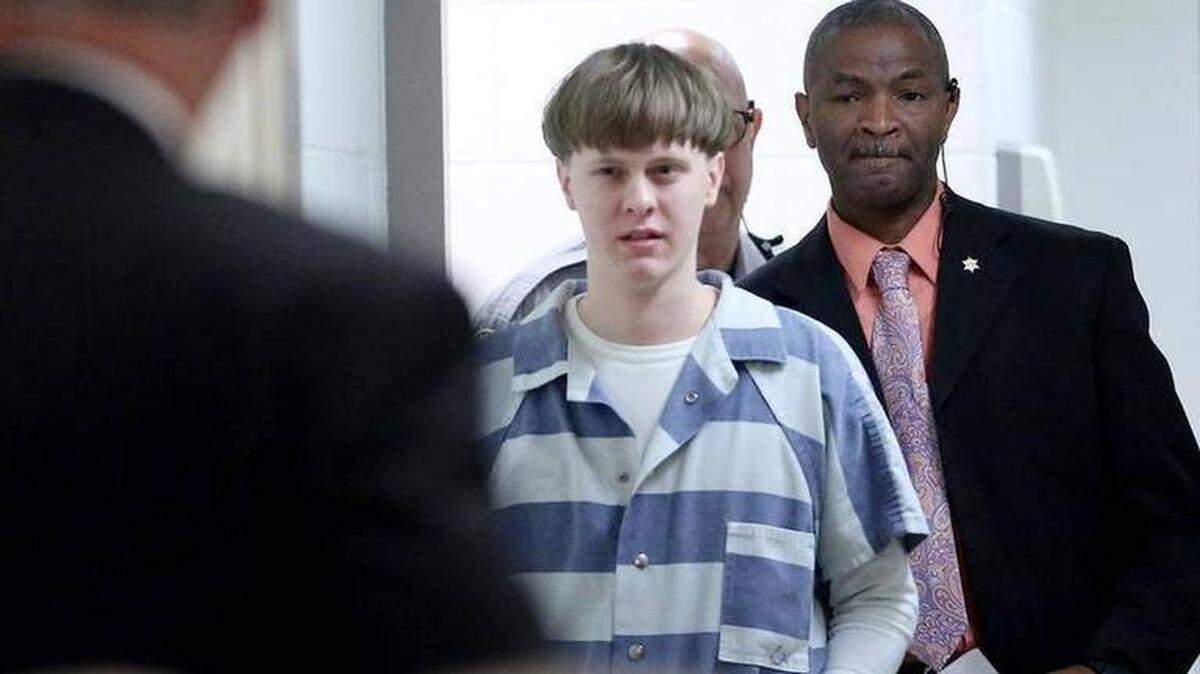
Six years ago this month, Dylann Roof, who wanted to start a race war by killing people of color, shot to death nine parishioners in a prayer meeting at Mother Emanuel AME Church in Charleston.
The self-described white supremacist represented himself in the U.S. District Court trial, and that is one of the legal issues before a panel of the U.S. 4th Circuit Court of Appeals in Richmond, Virginia. The court’s website described the case as involving “Multiple issues arising from convictions for hate crimes, religious obstruction, and firearms offenses resulting in death and from imposition of the death penalty.”
Roof, 27, is on death row at the federal penitentiary in Terre Haute, Indiana. Judge Richard Gergel sentenced Roof in January 2017; the death penalty was recommended by the same jury that found Roof guilty of 18 hate crimes and firearms charges according to federal law.
OVERARCHING ISSUE
Mental illness is a key aspect of the appeal, and it was in the trial. In representing himself at trial, Roof prevented “evidence of his mental illness from coming to light,” lawyers say in a 347-page filing to the 4th Circuit.
“When Dylann Roof represented himself at his capital trial, he was a 22-year-old, ninth-grade dropout diagnosed with schizophrenia spectrum disorder, autism, anxiety, and depression, who believed his sentence didn’t matter because white nationalists would free him from prison after an impending race war,” defense lawyers say.
At trial, Roof’s defense team – rejected by the defendant – told the judge none of the defense lawyers had represented a defendant so disconnected from reality. The appeals filing notes that the court dismissed evidence from two competency hearings.
‘SOUND GROUNDS’
On the other side, the prosecutors wrote in their brief that Judge Gergel’s ruling on Roof standing trial “was supported by expert testimony and was not arbitrary or unwarranted. Roof’s right to self-representation was correctly defined and properly protected.
“No error occurred at the penalty phase. The death penalty was not plainly erroneous based on Roof’s age or mental condition. Finally, Roof’s convictions rest on sound legal and constitutional grounds.”
The prosecution attorneys are with the Department of Justice’s Criminal Division and the Civil Rights Division. The defense team includes lawyers from the U.S. public defender’s offices in Maryland and California and a court-appointed defense attorney.
Judges on the panel are from the 8th, 3rd, and 6th circuit appeals courts, because one of the 4th Circuit judges, Jay Richardson of Columbia, was the lead prosecutor for the U.S. Attorney’s Office in South Carolina in 2017.
HORRIFIC TRAGEDY
The senseless deaths at Mother Emanuel are especially vivid memories to South Carolinians, even as mass shootings are much too often in the news.
In addition to the important legal issues in the appeal, other urgent societal questions relate to how persons like Roof have firearms, and why legislatures such as the S.C. General Assembly are unwilling to pass “Red Flag” legislation, creating ways for law enforcement and courts to take firearms from people who may harm themselves and others.
Gov. Henry McMaster swiftly signed an open carry law, saying he’d sign anything protecting Second Amendment rights. He made no mention about protecting innocent people from being shot on the street, schools or places of worship.
Whatever the appeals court decides will be significant for the criminal justice system, as well as the conviction and death penalty sentence in a most horrific tragedy rooted in racism and bigotry.
NINE REMEMBERED
A popular, beloved S.C. state senator, Clementa Pinckney, was among the nine parishioners of Mother Emanuel AME Church slain in June 2015. Others were: the Rev. Sharonda Coleman-Singleton, Cynthia Hurd, Susie Jackson, Ethel Lee Lance, the Rev. DePayne Middleton-Doctor, Tywanza Sanders, the Rev. Daniel Simmons Sr., and the Rev. Myra Thompson.