
S.C. legislative ‘earmark’ for funding must be more transparent
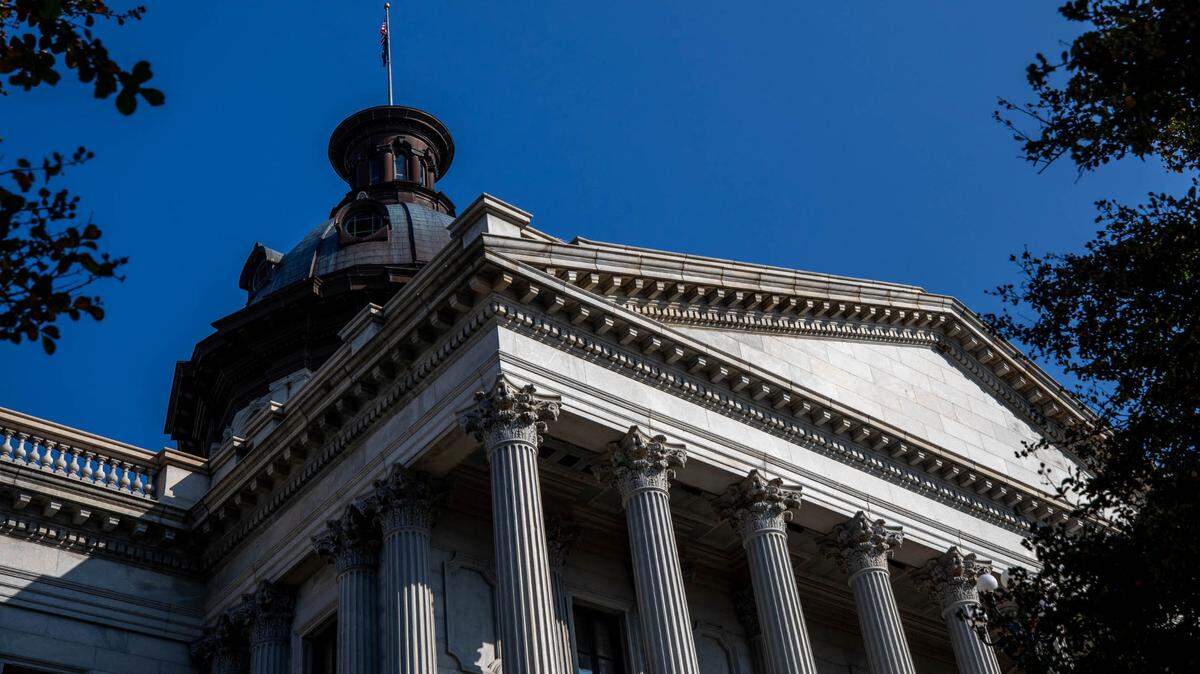
South Carolina legislators long have used hidden earmarks (or pass-throughs) to funnel taxpayer money to various entities for pet projects. In the last fiscal year, more than 180 projects around the state quietly received $43 million.
The problem is not that the projects are per se inappropriate or unworthy; it’s the complete lack of transparency and accountability in the process. More than a decade ago, earmarks were supposedly ended in Congress, but they are being revived with some changes. In the S.C. General Assembly, earmarks never went away.
A team of reporters from The Sun News, The State and The Island Packet is in the process of asking S.C. lawmakers – 103 have responded – if they support requiring public disclosure of the names of lawmakers requesting earmarked money and other pertinent details such as the names of organizations receiving taxpayer money and for what purpose.
THE MASSEY RULE
The reporting project found that since 2015 at least $104 million has been distributed via earmarks around South Carolina, with little or no public discussion, let alone debate in a legislative committee. The Senate Finance or House Ways and Means committee appropriates money to an agency after a member of one of the budget-making committees has talked to a senator or representative. When the money is in the agency, staffers contact the appropriate committee for instructions on cutting checks.
In the current session of the General Assembly, the Senate set a new rule, initiated by Majority Leader Shane Massey of Edgefield, that requires listing of spending not requested by state departments or agencies. Massey was one of only 15 of the 46 senators not shown in a four-page listing of 90 requests.
Area requests included two by Luke Rankin of Myrtle Beach for $500, 000 each to the Family Justice Center and the city of Conway. Stephen Goldfinch requested $250,000 for archaeological research in Winyah Bay and $200,000 for field laptops for National Guard attorneys.
REPORTS NOT FILED
The powerful chairman of Senate Finance, Hugh Leatherman, sought $1 million (body cameras) for the Florence County Sheriff’s Department, among his earmark requests.
In some past earmark funding, there have been questions of propriety, such as “… the House minority leader sending $450,000 to his now mother-in-law’s nonprofit organization, … a Richland county senator steering nearly $1 million in pass-throughs to his church’s nonprofit while serving as a board member for both, and a former Lancaster senator helping send $1 million to a non-profit run by his wife,” Andrew Caplan and John Monk wrote in an article (April 18) in The Sun News.
The S.C. Inspector General noted in a recent audit that many organizations receiving earmark money failed to file required reports showing how the money was spent.
Leatherman’s Florence County was fourth among counties receiving the most earmark money in 2020, and Sumter County, home of House Ways and Means Chairman Murrell Smith, ranked first. Poorer counties received no hidden earmarks.
REFORM DEMANDED
Sen. Massey’s new rule, a step in the right direction, does not require the names of entities receiving hidden earmarks.
Lynn Teague of the League of Women Voters of South Carolina, notes that “earmarks can be a good thing. But being accountable, transparent and having ground rules ensures the public gets something meaningful for their money.”
Sen. Dick Harpootlian, quoted in the Caplan-Monk article, summed up the situation: “A system that secretly appropriates and secretly spends tens of millions of taxpayer dollars each year is corrupt by its very nature.”
The well-ingrained earmarks process screams for reform that clearly follows taxpayers’ money – names of legislators making requests and organizations receiving funds and their specific purpose. Accountability demands strict enforcement of organizations’ reports, and penalties when they ignore the requirement.