
DHEC’s new structure should provide SC citizens greater focus, efficiency and access | Opinion
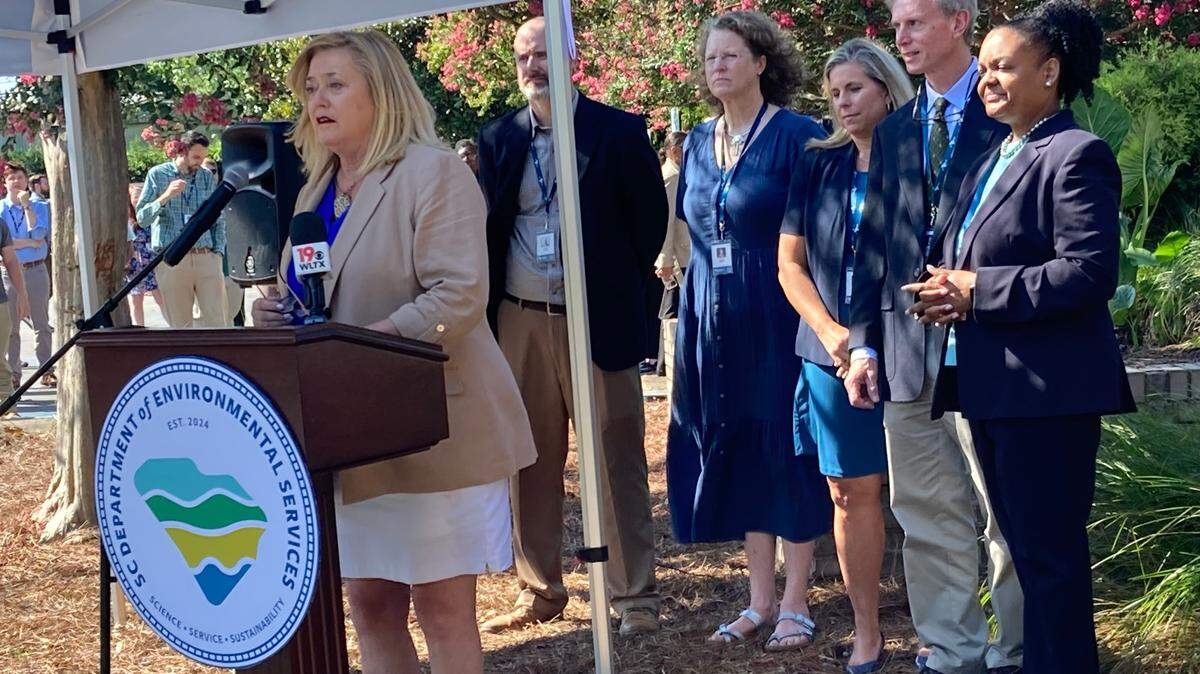
‘Forward-thinking’ change
On July 1, the S.C. Dept. of Health and Environmental Control (SCDHEC) became two distinct entities: the Department of Behavioral and Public Health and the Department of Environmental Services (DES).
DES will handle environmental regulatory functions from issuing permits to enforcing regulations. Greater efficiency in managing environmental permits, monitoring compliance, and addressing issues like water quality and air pollution is needed; however, it comes at a cost — $60 million.
A dedicated environmental office provides more focused resource management to effectively address complex issues. The new department streamlines operations, enhances regulatory compliance and improves resources. The intended outcome is potential cost savings. Also, a focused approach ensures that violations are promptly addressed and regulations are effectively enforced.
Leadership in the new office is crucial.
Myra Reece, a 30-year veteran of DHEC, has been appointed as the first DES director. Her experience and formal training at both Clemson and USC position her well to lead this new department.
Though startup costs are high, the forward-thinking move provides a cleaner organization to protect and manage South Carolina’s natural resources.
Focused expertise, improved efficiency and enhanced public engagement exemplify the value of this significant organizational change.
Benjamin Buck, Greer
Opportunity awaits
Prior to the recent presidential debate, a majority of the voters did not want a rerun between Trump and Biden. Following the debate, these negative feelings have been exasperated.
Now is the opportunity for the Democratic Party to take advantage of President Biden’s poor performance and replace him on the ballot. A younger, vibrant Democrat could legitimately proclaim President Biden’s policies and echo the successes of the past four years.
A valid excuse exists for President Bidden to step back, accept the deserved accolades of his many years of service, maintain his legacy and save both the country and his party from disaster.
Meanwhile the extremely negative aspects of a Trump presidency would remain front and center.
Gov. Gretchen Whitmer, a proven winner in a purple state, would make an excellent candidate for president. Gov. Wes Moore, as a candidate for vice president, could deflect the Black voter’s concern about dropping VP Kamala Harris from the ballot.
Take this opportunity and be prepared to declare victory in November.
Bob Hooper, Sun City
Reduce exposure
Lawmakers must address the credit card industry’s growing Chinese influence, particularly through UnionPay, a state-owned financial corporation. This poses a significant risk by potentially exposing American consumers’ financial data to the Chinese government.
As China remains the top threat to U.S. national security, Congress, including Sen. Lindsey Graham, must reduce Chinese influence in domestic industries.
The credit card industry’s connection with UnionPay needs reevaluation. Visa and Mastercard’s integration of UnionPay into U.S. payment systems contradicts national security interests.
The Credit Card Competition Act (CCCA) offers a solution by requiring the Federal Reserve to list and block payment networks posing security risks, including UnionPay.
Additionally, the CCCA would foster competition by allowing merchants to choose from at least two card networks besides Visa and Mastercard. This would pressure Visa and Mastercard to enhance security and reduce fraud, which is currently eight times higher for them compared to alternative networks in the debit space.
Passing the CCCA is essential to protect our national security and financial infrastructure from Chinese influence.
Kyle Johnson, Georgetown