
Political posturing prevents gun safety measures from being put in place, reader says
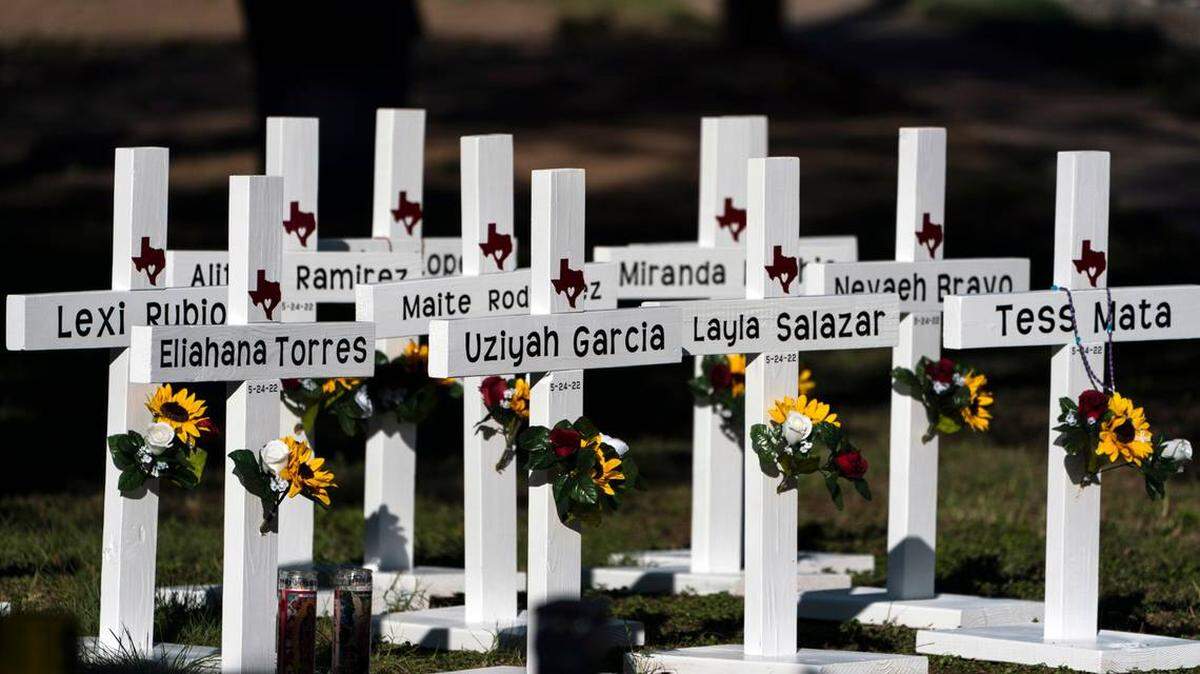
Stop posturing
Many years ago we had a drunk driving problem in this country. We did not go after cars, bars or alcohol. We went after drunk drivers.
A political stalemate perpetuates our gun violence problem.
Most shooters are disturbed young men between the ages of 18 and 26, most of whom have psychiatric red flags.
The NRA has long advocated linking mental health databases with the FBI background check database. Can’t we implement this right away? Deeper background checks, waiting periods and potential restrictions on the types of weapons 18- to 26-year-olds can purchase focuses our attention on the problem. It’s the shooter, not the instrument.
As a Second Amendment supporter and regular shooter, I strenuously oppose any infringement on the rights of law-abiding owners; however, the senseless slaughter of human beings by people who have no business owning guns must and can be stopped. But it requires political will, not political posturing.
Steve Quick, Hilton Head Island
Where’s the village?
In Issaic Bailey’s May 22 opinion piece, he maligned anyone with white pigmentation. He cited examples of a few misguided young men, those with little or no parental involvement in their moral development, as examples of racism in America.
Nowhere did I read of gang members entering our country and killing indiscriminately. Nowhere did I read about community gangs that go on shooting sprees to guard their “territory.” He didn’t mention a callous disregard for children, the elderly, or persons of oriental descent, nor the root causes of such criminal activity, which I believe to be little or no involvement of a consistent father figure.
Growing up near the “wrong side of the tracks,” where Bull Connor, and KKK members attempted to suppress the equality of all humans, I marched with Rev. King at a young age. I walked beside my friends from “the other side of the tracks,” and I stopped and cried as I walked by the 16th Street Baptist Church the Monday after it was bombed.
It takes a village to raise a child, not just an overwhelmed single parent. It takes individuals who are willing to invest time one-on-one with at-risk youth, not racist rhetoric.
Norris Ridgeway, Blythewood
Support Alzheimer’s work
One in three seniors dies with Alzheimer’s or another form of dementia. I lost my grandmother to Alzheimer’s just before I turned 14, and now I have the privilege to advocate in her memory.
I recently attended the Alzheimer’s Impact Movement Advocacy Forum in Washington, D.C. While there, I met with Congressman Joe Wilson’s staff to explain why Congress must continue to prioritize Alzheimer’s legislation.
We asked for support of the NAPA Reauthorization Act and the Alzheimer’s Accountability and Investment Act which would ensure the nation continues prioritizing Alzheimer’s legislation as well as the Comprehensive Care for Alzheimer’s Act which would streamline the complicated way in which dementia care is currently delivered. We are also asking for support of the ENACT Act and appropriations for research and public-health infrastructure.
As an advocate, pharmacist and public-health professional, I recognize the importance of acting on this critical legislation. Please join me and the Alzheimer’s Association in encouraging Congressman Joe Wilson as well as Senators Lindsey Graham and Tim Scott to invest in policies that address the national public-health crisis of Alzheimer’s disease.
Laura Joseph, Cayce
No to mothballs
I have noticed that some residents in the Lowcountry use mothballs in their gardens to repel pests. While at a Primary Care Doctor’s office, I noticed mothballs spread all over their garden, walkway and grass. This practice is a hazard to people and the environment.
Mothballs are insecticides that are regulated by the Environmental Protection Agency, making it illegal to use them for any purpose that isn’t specified on the label (they are labeled for use in closed containers for the control of clothing moths).
Using mothballs in the garden presents a danger to children, pets and wildlife.
Mothballs usually contain either naphthalene or paradichlorobenzene. Both of these chemicals are highly toxic and can get into the soil and groundwater. Eventually the groundwater finds its way into the waterways and rivers around the beautiful Lowcountry. This is an environmental hazard for the ecosystem and the birds, fish, and other wildlife that rely on this ecosystem.
Lastly, extended exposure to mothballs can cause liver and kidney damage, so you might want to use a less toxic alternative for your clothing as well.
Nadine M Mooers, Bluffton