
Letter | Offshore drilling isn’t worth cost to South Carolina coast
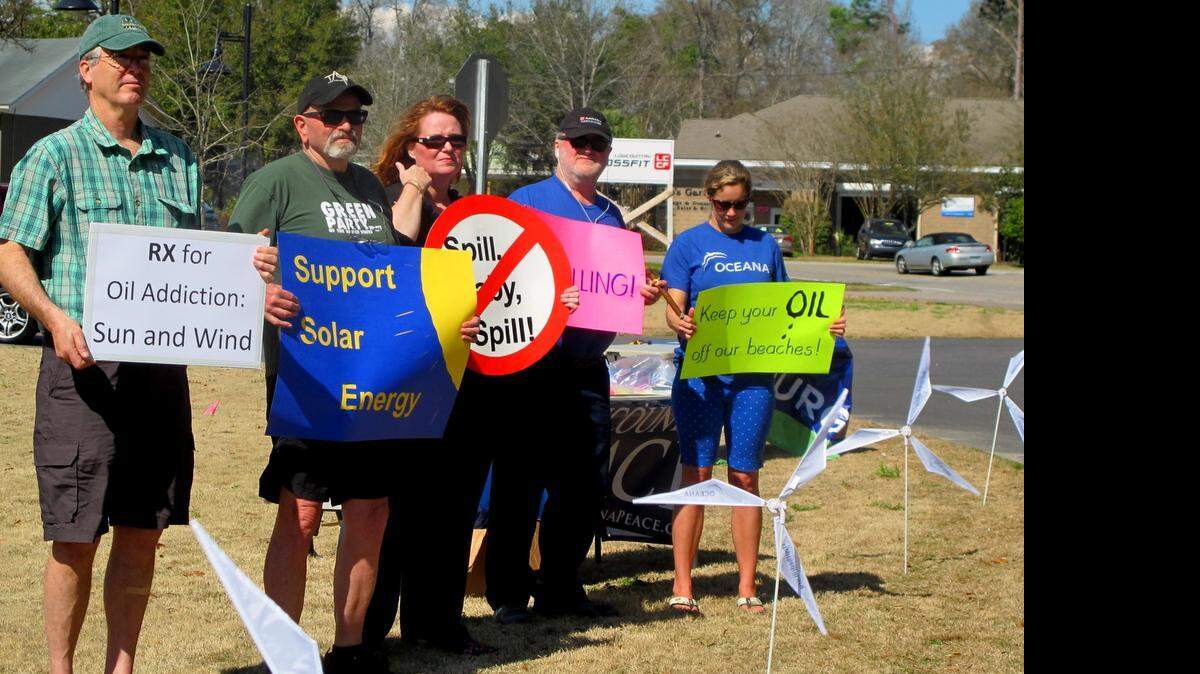
My wife and I moved to a coastal South Carolina community primarily to be near the ocean and enjoy the beautiful, pristine beaches. We understand the desire to increase jobs and the state’s revenues, but allowing oil and gas drilling off the South Carolina coast is the wrong direction to take.
Drilling will not increase jobs nor bring more money into the state treasury. Here’s why.
In December 2013, the potential benefits from offshore gas and oil drilling for South Carolina were identified in a report prepared for the American Petroleum Institute by Quest Offshore Resources entitled “The Economic Benefits of Increasing Offshore Oil and Natural Gas Resources in the Atlantic.”
The Quest Report projected an income of $3.7 billion dollars to the state over a period ending 2035. The money would come from sharing federal tax revenues from the state’s offshore petroleum production. The report also claimed that offshore drilling would create 35,000 jobs in the state for the same period.
These widely touted and oft-quoted “benefits” have bolstered support for oil and gas drilling off our coast. Unfortunately, these projections are grossly overstated.
The Federal Bureau of Ocean Energy Management (see boem.gov) oversees offshore drilling including where and when it can occur. Based on the current BOEM schedule for a South Atlantic lease sale in 2021, the earliest start of oil drilling in the South Atlantic sector (which includes South Carolina’s offshore area) is approximately 2026. The drilling startup date is based on the completion of preliminaries such as doing seismic testing, awarding leases for specific drilling areas and issuing permits for drilling operations.
According to BOEM, oil production in the S.C. offshore area is unlikely to begin before 2030. However, any revenue sharing currently provided by the Gulf States Energy Security Act (GOMESA) will be put to an end with the 2017 federal budget.
It is highly unlikely revenue sharing will be offered to South Carolina. Therefore, with that timetable of events, it is grossly presumptive that South Carolina will receive any offshore income benefit from gas and oil drilling.
The Quest Report projection of 35,000 jobs created is also misleading because only 11,000 of these jobs would be directly applicable to oil and gas operations, primarily on drilling rigs. Recognizing the physical intensity and hazards involved for rig workers, current oil industry practices deem these jobs be exclusively filled by well trained, highly qualified and seasoned contract workers – local hiring is unlikely because crew contractors do not recruit locally.
The remaining 24,000 jobs are deemed “onshore”—to accommodate all those drilling workers—in hotels, restaurants, healthcare, real estate and food services. This number is disingenuous because in the oil drilling culture, workers (aka “nomads”) come from all over the world and go all over the world working tours on offshore drilling rigs. Work rotation schedules have varying extended times on the job and off the job.
When off the job, workers are anxious to get back to their homes or to their next job. They rarely frequent onshore areas adjacent to the rig sites. Therefore, no onshore support jobs of any consequence would be created.
And, of course, with any offshore drilling there is always the potential for a major spill. That risk greatly increases with the deep water operations probable in the South Atlantic Outer Continental Shelf Area. In daily operations, toxic effluents, sea wash-over rig floors and small spills are common, and can damage marine habitats. If producible gas and oil is found, transporting production by tankers or pipelines significantly increases the risks of spills.
It is also likely that hurricanes and/or tropical storms can cause routine spills. All these events increase the frequency of our beaches being hit with unpleasant debris like tar balls and oil slicks.
Given that offshore drilling will provide no revenues to South Carolina and virtually no new jobs, is it worth risking major losses to the state’s coastal fishing, tourism and recreation industries? These industries support 79,000 jobs and generate $4.4 billion in GDP annually. Also, there is the potential for tremendous reductions to coastal property values. All these losses would take years to recover.
The above realities reveal no benefits for South Carolina with considerable risks to our coastal environment and economy. We urge your support pressing our state and local governments to ban offshore oil and gas drilling.
The writers live in Pawleys Island
This story was originally published April 19, 2015 at 8:00 AM with the headline "Letter | Offshore drilling isn’t worth cost to South Carolina coast."