
Giving Spanish-speaking immigrants ballot translations won’t help them | Opinion
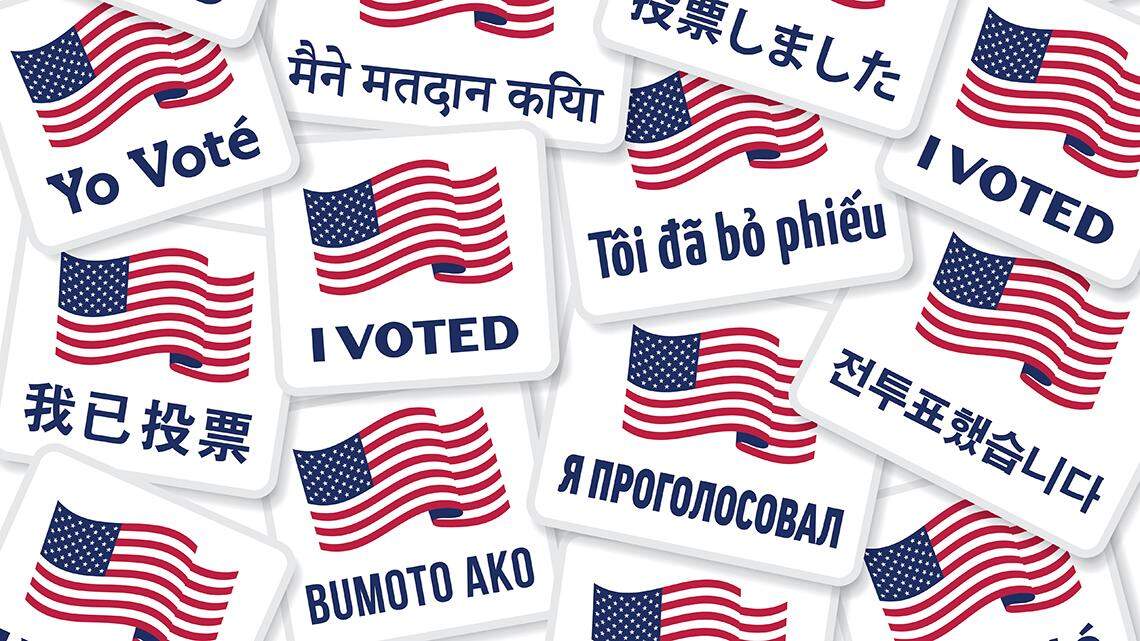
So the Prairie Village City Council is the latest Johnson County municipality to put its influence behind the push to expand government-provided Spanish language election information in Kansas. Who could possibly be against such a common sense and, as Prairie Village residents repeatedly called it, such an “inclusive” idea? Not my colleague, Toriano Porter, who reported on this earlier in the week.
But just because an idea sounds good doesn’t mean it is in the best interests of those it is supposed to help. I think we should reconsider even the federal standards set for high immigration areas to have translations for several reasons.
First, the fact is that almost all the information about elections produced by most local media and campaigns is in English. To be a fully informed voter, you have to understand English. Indeed, to become a U.S. citizen you have to show you are working on acquiring English language proficiency through the citizenship test.
Voting without access to the vibrant debate, commercials, social media and real-world discussions among the full diversity of our communities isn’t American democracy at its best — it is a cramped version sure to fuel disillusionment when uninformed voters don’t get the results they are looking for.
In the 1980s and 1990s, an extensive University of Michigan survey tracked voters’ political policy preferences along with who they reported they voted for. For low-information voters, the connection between what voters wanted government to do and what the politicians who they voted for actually said they would do was random. In short, the political preferences of low-information voters had no effect on the outcome of the election.
At the City Council meeting, one resident speaking in favor of the proposal argued that every immigrant citizen “Should be as freely confidently able to exercise their vote as” she is. Being able to do it freely and confidently doesn’t do them much good if they can’t do it competently.
And making immigrants feel more comfortable with the fact that they are not literate in English isn’t in their best interest. The reason the U.S. citizenship program encourages English literacy is that to access the full social and economic benefits of becoming an American, you need to be literate in the language of the land. We shouldn’t make it easier to avoid learning English; we should make sure there is every incentive to learn.
The fact is that Americans who speak English well have incomes twice as high as those who don’t, according to research by the Employee Benefit Research Institute. That makes a difference not just for them, but for the opportunities their children can access. English is a difference-maker across generations.
I don’t feel that way because I hate immigrants. I feel that way because I want them to succeed. I am only a couple generations away from my immigrant great-grandparents who didn’t speak English, but whose families flourished when they learned.
If you actually want to help immigrants and make our society and democracy more vibrant and diverse, then every bit of effort our nation pours into Spanish language translation should be focused on English education instead.
David Mastio is a national columnist for The Kansas City Star and McClatchy.
This story was originally published December 18, 2025 at 6:08 AM with the headline "Giving Spanish-speaking immigrants ballot translations won’t help them | Opinion."
