
Meet the 10 candidates running for three Myrtle Beach City Council seats
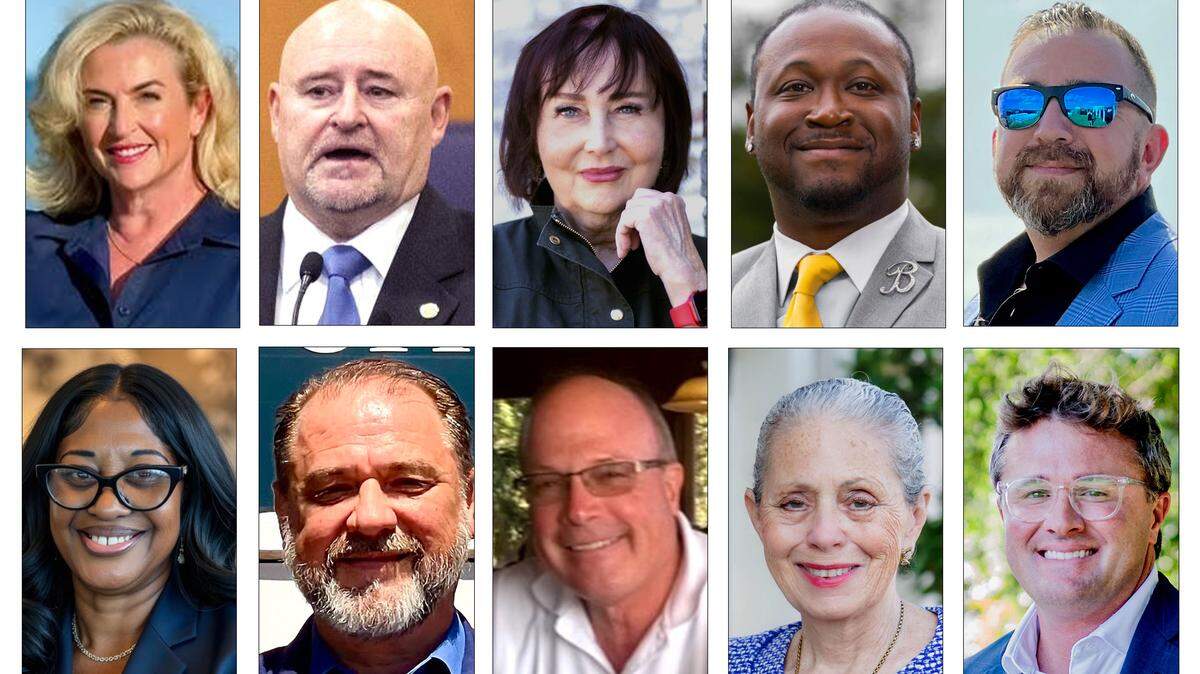
The Myrtle Beach City Council race has 10 candidates running for three seats. The three people with the most votes in the election will serve four-year terms through 2029. I asked all the candidates about their priorities and perspectives. Their answers are below.
Every candidate received 10 questions and 250 words for each answer. Interviews were edited for accuracy, clarity and style and published in their entirety. The McClatchy South Carolina Editorial Board will publish an endorsement in the race, but we are publishing Q&As first so readers can assess the candidates on their own. Early voting begins Oct. 20, and Election Day is Nov. 4.
Find an early voting location here. Find your polling place here to vote on Election Day. If this public service helps, please consider supporting our journalism at myrtlebeachonline.com/subscribe. Your subscriptions and support make this massive undertaking possible, so thank you for reading this. If you have questions about our interviews or endorsements, please email me.
Meet the candidates
Sam Fresquez
Phil Render
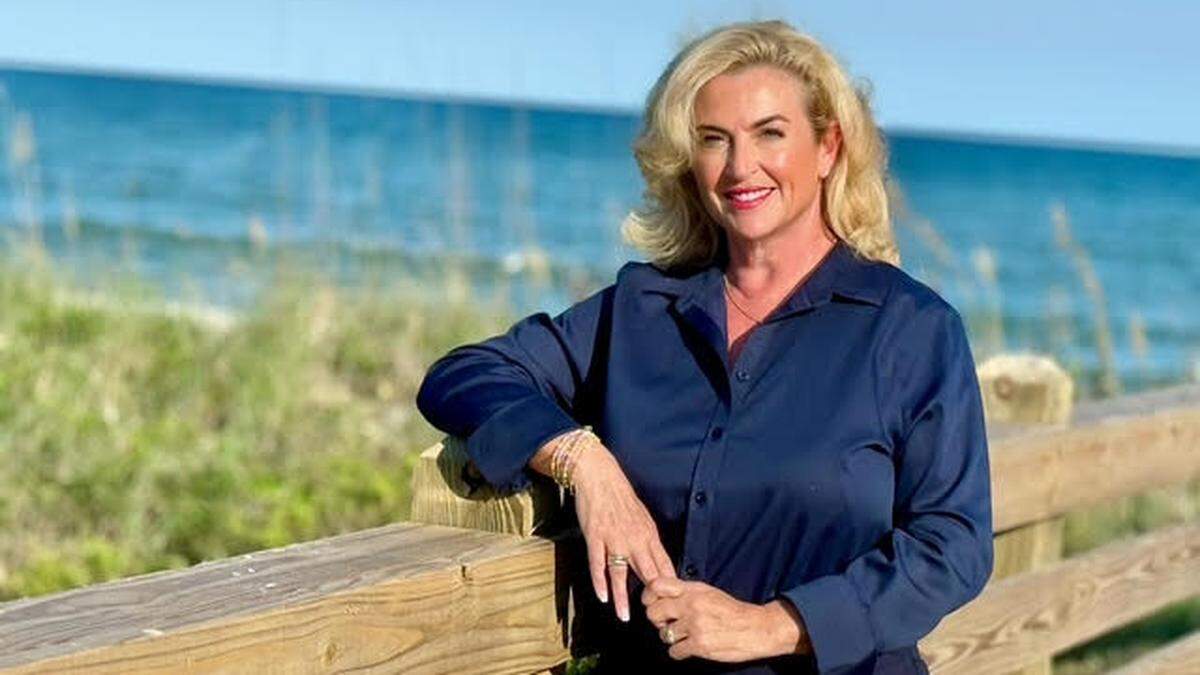
Councilwoman Jackie Hatley
Q: What is your No. 1 priority for the city of Myrtle Beach and why?
A: Reducing crime and improving public safety. Although statistics show a reduction in crime over the last six years, I know that our residents do not always feel as safe as they should in our city. I believe increased visibility of our police cruisers, foot patrol officers and canine officers will go a long way to deterring crime, especially in highly populated areas.
Also, by working more closely with local businesses and residents, we have an opportunity to prevent crimes from occurring. Further, our officers need backup from judges who will send a clear message that we will not tolerate lawlessness in our city.
We cannot be timid when it comes to protecting our homes and families.
Q: How will you address local housing affordability and availability?
A: One of the toughest challenges that we face is balancing private property rights with preserving the quality of life for our residents. As more people have moved to our community, housing prices have increased, pricing some people out of the market. There is no one-size-fits-all answer, but as we move forward I would like to see a more cooperative approach and allowing government and developers to work more closely with residents to make sure new neighborhoods fit well with the area and that our infrastructure can keep up.
Q: Grade the city’s approach to homelessness. What would you do differently?
A: I would give us a 75% approval. We have taken steps to improve our communication with those who need help, and we are better able to guide them toward assistance -- but we still have room for improvement. Unfortunately, many homeless persons have mental health issues and that makes it difficult for them to accept the resources offered by the city or local nonprofits or even their own friends and family. In the years ahead, I think we need to work more closely with the state and federal government to find solutions to this issue.
Q: How specifically would you reduce crime and improve public safety?
A: We are beginning to see the results of recent investments in increasing public safety, like the addition of license plate readers, citywide cameras and K-9 teams. Progress can sometimes move more slowly than I would like. I have been just as disappointed by the recent shootings and problems in our tourist areas as our residents have been.
But we are turning the tide, crime in our city is actually decreasing and we are putting greater resources toward solving the problem. I will continue to work hard to support our law enforcement officers and give them any tools they need to enforce the law and to crack down on crime.
Q: What should the city do to boost safety and tourism on the boardwalk?
A: It all starts with public safety. Increasing foot patrol officers and our K-9 teams walking the boardwalk will help deter crime. We have seen it in Washington, D.C., since the president increased law enforcement presence, criminals look for easier targets.
I support the installation of a more visible police substation on Ocean Boulevard and making changes to improve traffic flow along the boulevard all year round.
With improved public safety, tourism will improve and help rebuild our reputation
Q: What would you do to capitalize on economic development in the city?
A: First impressions make a difference. I would implement an incentive plan to entice current businesses to update or refresh their buildings. For example, in certain areas of our city where we have more blighted buildings, we could offer matching funds up to $25,000 to go towards improvements if the business owner makes significant improvements to the exterior of their building.
I would make it easier to set up a new business in our city. We need to cut out some of the red tape and streamline our process. Most people do not realize that new and current businesses make up the majority of the taxes that we need to fund our city. Property taxes collected from our residents only represent a small percentage to support our current city services. No one wants the current city services reduced or cut. So, it is extremely important that we keep our current businesses in place and attract new businesses.
Q: Is the city government as transparent as it should be? How would you improve that?
A: I would call for greater transparency at all levels of government. Myrtle Beach should not be a place of backdoor deals. We need to make decisions based on the will and best interests of the people. Communication is the key to success at all levels of government. We need to work together to get things accomplished.
Unfortunately, our city has sometimes fallen short on this basic obligation. In the years ahead, we need to put an end to closed door meetings with select officials or bureaucrats. The business of the people needs to be conducted publicly and with the cooperation of the people.
Q: List one budget cut and one new expense you think is necessary. Explain why.
A: Budget cut: Spending money on trying to “rebrand” our city. That money would be better spent cutting crime, relieving traffic and actually improving our city for residents.
Spend: We need to work more effectively and efficiently. I’d spend a little bit of money now to identify and root out waste so we can save money in the long term.
Q: What is one issue we didn’t mention that deserves more attention and why?
A: Our tree ordinance needs an overhaul. I would agree that we do not have enough green space and trees left when a developer prepares a piece of land for building. When a job is cleared for development, a tree assessment should be posted on the property for the public eyes to see.
They also should post a sign that details what and how many trees will be replaced at the end of the job. For example, 50 trees and 10 crêpe, myrtles, etc. I think it’s important to keep the surrounding neighborhoods informed of what will be replaced.
Q: Why should voters choose you over your opponents in this election?
A: My family had been in the hotel business for 54 years, and I’ve worked in that business since I was 10 years old. Our area was founded and created by the hospitality industry. Tourism and tourist dollars is why we have a wonderful place to live.
So many of the people who have moved into our area over the past 20 years were also visitors at some point in time. They fell in love with our area and decided to call it home, and I think it’s important to have someone on council who truly understands this link between our businesses and our residents.
These past two years have been challenging for me personally. We sold the family business, I lost my business partner, who was also my mother. But through it all, my commitment to Myrtle Beach and its residents has never wavered. My pledge to the people of this community is to always be honest and forthcoming, and to make the best decisions possible for our city.
We live in one of the most beautiful cities in America, and it sickens me when our town is cast in a negative light. If you honor me with your vote, I will work every day to restore our reputation and make sure we can always be proud to call Myrtle Beach home.
I am humbly asking for your vote on Nov. 4.
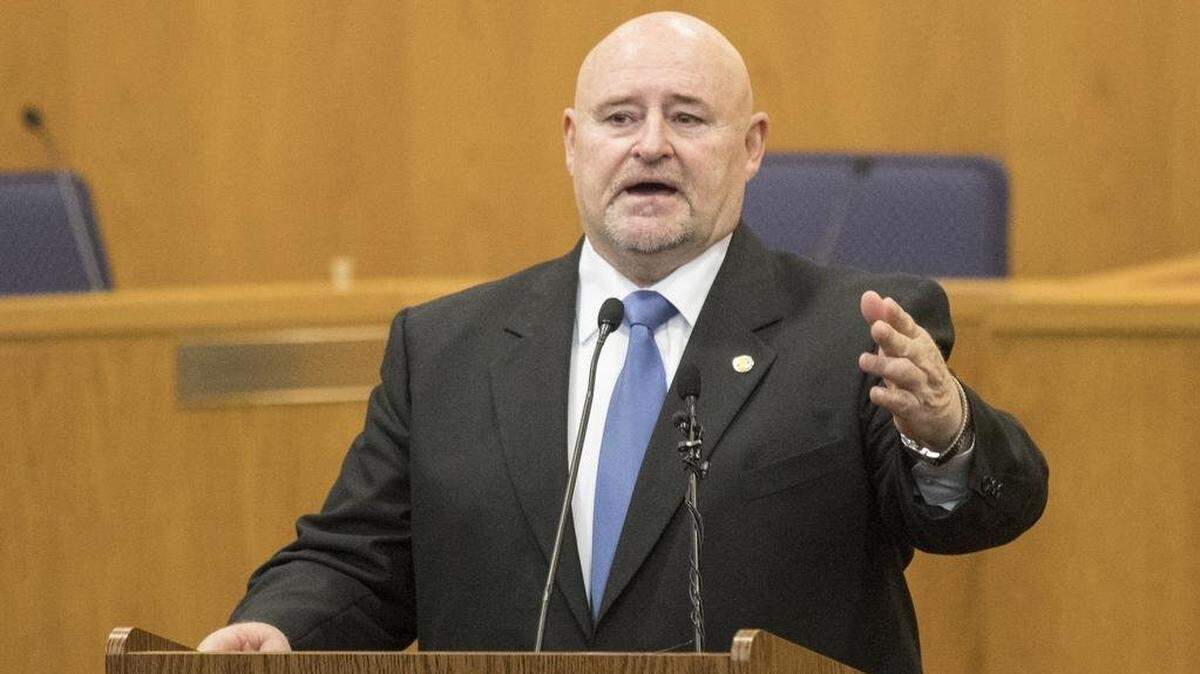
Councilman Mike Lowder
Q: What is your No. 1 priority for Myrtle Beach and why?
A: Myrtle Beach must be a safe place to live, work and visit. Everyone should feel at ease in our neighborhoods, commercial areas, hotels, Ocean Boulevard, the boardwalk and on our beaches. Right now, some people feel unsafe in certain parts of our city. Whether that’s perception or reality doesn’t matter; if people believe Myrtle Beach isn’t safe, they won’t want to live, work or vacation here.
It’s our responsibility to improve both the reality and the perception of safety, and I’m ready to work with others to make that happen. We must use every resource available, including new technology and additional boots on the ground. Together we can make this happen.
Q: How will you address local housing affordability and availability?
A: Housing is one of the biggest challenges facing Myrtle Beach today. Rising costs for land, construction, remodeling and materials continue to make it harder for working families to find affordable options. I believe the best way forward is through partnerships with developers.
That means encouraging projects like townhomes, duplexes and smaller multifamily housing, as well as multi-use projects that combine residential and commercial space. We also need to continue supporting the Community Land Trust. The city has backed this effort, which purchases land and partners with developers to build affordable homes for low- and middle-income workers. The first homes are scheduled for construction in 2026.
Another step is improving coordination. Myrtle Beach has a Workforce Housing Advisory Board, Horry County has the Home Consortium and Community Development Block Grant program, and groups like Habitat for Humanity are already addressing workforce housing issues.
A stronger housing task force could bring these efforts together and ensure that zoning, funding, builder interest and infrastructure are working together. When it comes down to it, affordable housing isn’t just a social issue — it’s an economic necessity. If first responders, teachers, nurses and hospitality workers can’t afford to live here, the entire community feels the strain.
Q: Grade the city’s approach to homelessness. What would you do differently?
A: Homelessness is an incredibly complicated issue in Myrtle Beach. While we’ve made progress with programs like homeless court and ongoing prevention efforts, the increase in homelessness still overwhelms our current resources. That’s why collaboration across city, county and state levels is essential.
To address this issue, we first have to understand what leads a person or family into homelessness. We must also remember that homelessness is not a crime. Not every situation is the same, and our response shouldn’t be either.
Some individuals struggle with mental health issues and need programs, facilities and care that help them make safe and healthy decisions. Others are willing and able to enter programs that prepare them for jobs, give them access to housing and enable their long-term stability.
Shelters are important, but they should provide short-term relief and are not, nor should they be, long-term solutions. People using shelters should be connected to job opportunities and affordable housing, and a clear 12-month plan tracking their progress in the programs mentioned above should be in place. As for funding, these programs could have shared cooperation between Horry County and other municipalities.
My goal is to reduce street homelessness, boost public safety and improve the quality of life in Myrtle Beach. It’s important to remember that homelessness itself is not illegal, but we expect all residents to follow the same laws, regardless of living situation.
Q: How specifically would you reduce crime and improve public safety?
A: Recruiting and retaining officers is essential to ensuring that we can fill open positions. At the same time, we must continue expanding the use of technology by adding more cameras in residential and commercial areas, making use of 24/7 monitoring and employing systems like ShotSpotter to detect gunfire.
New tools are being developed all the time, and we need to keep our officers trained and equipped with the resources that help them succeed. Strong, consistent enforcement is also vital. By addressing seemingly minor offenses, officers can sometimes prevent more serious crimes and even help solve ongoing cases.
Collaboration is just as important, and our police agencies must share information and work together. Officers should also take time to stop in local businesses, talk with residents and listen to concerns so that they understand what’s happening in our neighborhoods. By doing so, they can build trust that helps our community thrive.
I also support a review of how officers are deployed. It’s not about pointing to something wrong; it’s about looking for new opportunities, and making sure resources are used effectively. Numbers alone don’t tell the whole story. It’s about where officers are assigned and making sure we have more boots on the ground where they’re needed most.
Q: What should the city do to boost safety and tourism on the boulevard?
A: In my opinion, what we’re doing now on the boulevard and boardwalk needs a different approach. Safety can’t wait until June; it must be ongoing, starting as early as March or at least by Easter weekend. Additionally, officers should patrol on foot from 16th Avenue North to 3rd Avenue South.
And while educating the community has its place, we can’t rely on voluntary compliance. Our message should be clear: laws will be enforced, and violations will have consequences. That message doesn’t just stay here — it follows visitors back to their communities.
Closing Ocean Boulevard every Friday and Saturday night from 4 p.m. to 2 a.m. can create tension. While the intent is to improve safety, visitors often see closures and assume something bad has happened. At times, making traffic one-way or closing sections makes sense, but doing it every weekend creates the wrong impression.
Police presence is essential, but deployment makes the difference. When six to eight officers gather at one intersection with multiple patrol cars, it can suggest that something serious has just happened.
A better approach is for officers to walk sidewalks in pairs within a two-block area. Foot patrols have worked in Myrtle Beach before, and they’re used successfully in tourist areas across the country. Most importantly, visitors feel safer when they see officers on foot where they are.
At the end of the day, officers need direction and support to enforce laws consistently so the boulevard and boardwalk remain safe and welcoming for everyone.
Q: What would you do to capitalize on economic development in the city?
A: I strongly recommend refocusing the city’s economic strategy on its core assets: our beachfront, year-round tourism, sports and golf facilities, and festivals. At the same time, we should diversify carefully into industries like healthcare and information technology, which can create well-paying jobs that strengthen our economy and help residents build their futures here at home.
And why healthcare and information technology? They simply don’t require vast tracts of land or large-scale shipping. Instead, they can thrive in smaller offices and worksites throughout the city, providing just as many opportunities as manufacturing over time.
I would also pause speculative downtown spending other than infrastructure until private sector partners are firmly at the table. In the meantime, we should encourage investment citywide where it can serve residents, businesses and visitors alike.
Q: Is the city government as transparent as it should be? How would you improve that?
A: Our city government is generally transparent, but there have been times when we could have addressed issues early instead of responding afterward. Being proactive and open builds trust, and that’s an area where we can always improve. For example, our budget retreats are held in Moncks Corner, and news outlets regularly attend. But I’ve long thought those retreats should be held right here in the city. That would send a clear message: if you want to see how the budget is made, you’re welcome to come, listen and see the process.
Q: List one budget cut and one new expense you think is necessary. Explain why.
A: One new expense I support is adding additional crews for streetscape and maintenance. That’s because we continue to face issues with foliage and upkeep with the grass and landscaping along our sidewalks. Right now, we simply don’t have enough staff or equipment to stay up to speed. If staffing remains a challenge, we should also consider partnering with local lawn and landscape companies to help fill the gap.
Q: What is one issue we didn’t mention that deserves more attention and why?
A: We still have work to do when it comes to maintaining our roads and sidewalks. I drive our streets every day and often see potholes, cracked sidewalks and areas of overgrowth that need attention, and I know I’m not the only one who notices.
Another concern is overgrown trees and shrubs, especially near intersections and sidewalks. We can do a better job of trimming, particularly around streetlights, where overgrowth can create blind spots and put drivers and pedestrians in danger.
As I’ve said many times, city vehicles work our streets around the clock. This means we have the potential to address these issues earlier and more consistently. It’s important for everyone who lives, works or visits Myrtle Beach to see our city as a beautiful place that’s well taken care of.
Q: Why should voters choose you over your opponents in this election?
A: I’ve always worked to be a voice of common sense and reason on the Myrtle Beach City Council, and I’ll continue listening and responding to the concerns of both residents and businesses. Part of that work is protecting our neighborhoods from commercial encroachment while also making sure our city looks its best, serves the people who live here and continues to welcome visitors.
Most importantly, Myrtle Beach must be a safe place to live, work, and raise a family. That has always been my focus, and I’ll continue working with my fellow council members to make it a reality. I’ve raised a family here, and I want the same safe, supportive environment for everyone who calls this community home.
We may not agree on every issue, but what matters is that we keep finding common ground and moving forward together. At the end of the day, none of our goals can succeed without safety. A secure environment for our residents, loved ones, businesses and visitors is the foundation I’ll keep fighting for.

Johnnie Bellamy
Q: What is your No. 1 priority for the city of Myrtle Beach and why?
A: My No. 1 priority is fiscal responsibility! Myrtle Beach City Council must stop burying our citizens with massive spending and debt which is now up to $8,000 per resident.
Q: How will you address local housing affordability and availability?
A: Housing affordability/availability is based on keeping taxes low and spending under control.
Booming economies create housing availability and affordability.
Q: Grade the city’s approach to homelessness. What would you do differently?
A: Myrtle Beach City Council’s approach to homelessness is reactionary at best.
It is apparent the Council’s goals and objectives are not very clear and therefore its accountability is nonexistent.
Change management with immediate strategy planning to include the council, the leadership team and administrative offices. Third party audit of the city financials: a budget review to reprioritize short-term and long-term strategies.
Develop communication plans that are not just Friday Faxes and Facebook pages. Schedule community outreach programs, including specific residential area representation.
Q: How specifically would you reduce crime and improve public safety?
A: We absolutely must not only bring the police department to full strength immediately, but we must emulate gold standard, best practice, comparable-city, effective and successful policy implementation strategies.
Consider engaging assistance from National Guard and Immigration and Customs Enforcement innovative strategies, at least during the months of May through September.
Q: What should the city do to boost safety and tourism on the boardwalk?
A: That seems an odd juxtaposition of issues: boosting safety AND boosting tourism? The former is absolutely critical to the latter. By promoting our major law enforcement improvements, we can attract families, which historically are our primary vacationers.
Q: What would you do to capitalize on economic development in the city?
A: Economic development capitalizes itself! We invest the financial benefits/rewards in more public safety, and traffic control.
Q: Is the city government as transparent as it should be? How would you improve that?
A: Absolutely NOT. Meetings are held at times that are difficult for everyday citizens to attend. Retreats are intentionally remote and require time and travel; executive sessions are too frequent and cover way too much subject matter. The restrictive time limits during public input are far too strict and too authoritarian!
Q: List one budget cut and one new expense you think is necessary. Explain why.
A: Cut: Eliminate DEI and save well over $2 million per year. Use some of that money to increase salaries.
Expense: Increasing/improving public safety is Job No. 1 for local government and will increase tourism revenues.
Q: What is one issue we didn’t mention that deserves more attention?
A: The clear cutting of forests and trees is a disaster for our environment, as well as dangerous, poorly managed traffic control. Myrtle Beach beautification is negligent. The city appears dirty. There appears to be no pride in making Myrtle Beach beautiful and inviting to the tourists and to the citizens.
Q: Why should voters choose you over your opponents in this election?
A: I have been a strict, fiscal and moral conservative all of my adult life, and have the reputation and credentials to prove it.
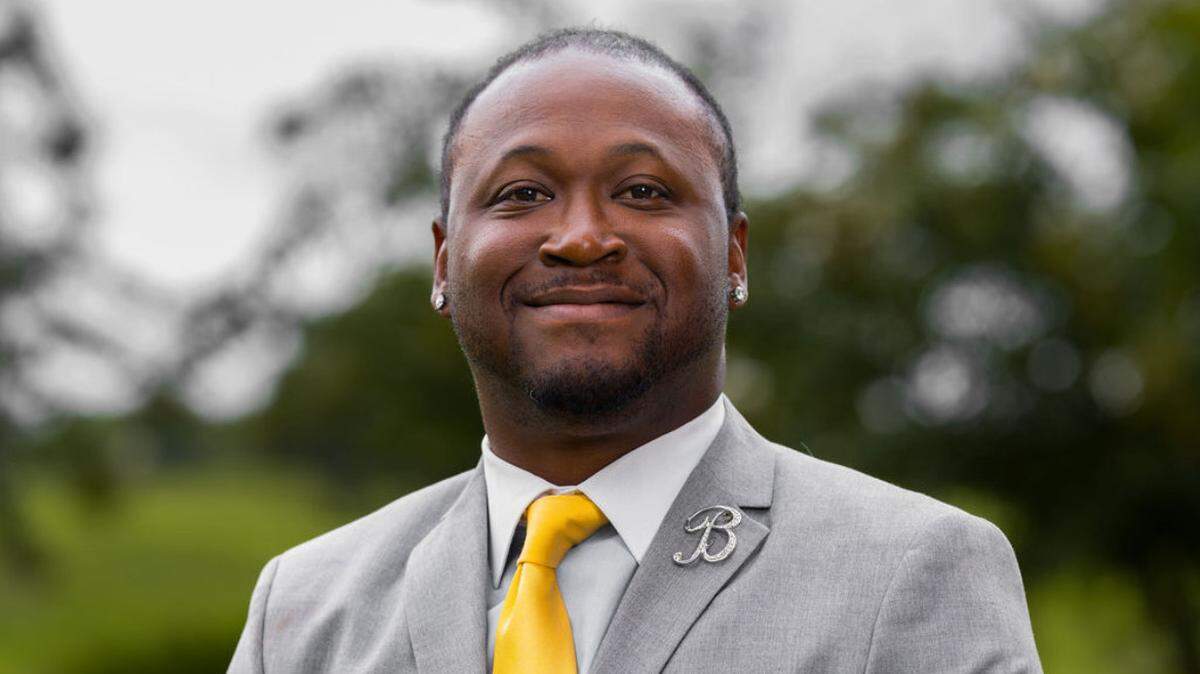
Terrance Butler
Q: What is your No. 1 priority for the city of Myrtle Beach and why?
A: My No. 1 priority is building stronger connections between city leadership and the community we serve. Too many decisions are made without enough input from the very people who live and work here. I want to ensure that residents have a seat at the table, that their voices are heard, and that city policies reflect the needs of everyday families, workers and small businesses. When the community is involved in shaping solutions, we don’t just grow as a city — we thrive together.
Q: How will you address local housing affordability and availability?
A: Housing is one of the most pressing issues facing Myrtle Beach. Families, seniors and young workers are being priced out of the very community they call home. To address this, I will work with developers and community leaders to create balanced housing solutions that include affordable options while ensuring responsible growth. This means:
● Encouraging development projects that include workforce and affordable housing units.
● Partnering with state and federal programs that provide resources for housing assistance.
● Supporting local zoning and incentive policies that make it easier to build mixed-income communities.
● Listening to residents so that growth works for them, not against them. Safe, affordable housing is not just about where people live; it impacts our workforce, our economy and the overall well-being of Myrtle Beach. My commitment is to ensure that every resident has a fair shot at calling this city home.
Q: Grade the city’s approach to homelessness. What would you do differently?
A: I would give the city’s current approach to homelessness a C. There have been efforts made, but they are too often reactive instead of proactive. Homelessness is not just a housing issue; it’s connected to mental health, addiction and access to stable employment. I would push for stronger partnerships with nonprofits, faith-based organizations and state resources to expand wraparound services. We need more transitional housing, job training opportunities and accessible mental health care. The goal should not just be to manage homelessness, but to create real pathways for people to get back on their feet.
Q: How specifically would you reduce crime and improve public safety?
A: Public safety starts with building trust between the community and law enforcement. I would prioritize community policing, with more officers walking neighborhoods, engaging with residents and forming relationships instead of only showing up when there’s a problem. I would also advocate for expanded investment in youth programs, mentorship and after-school activities to reduce crime before it starts. Prevention is just as important as enforcement. Finally, ensuring our first responders have the resources and training they need, including de-escalation and mental health crisis response, will make our city safer for everyone.
Q: What should the city do to boost safety and tourism on the boardwalk?
A: The boardwalk is one of Myrtle Beach’s most important attractions, but visitors and locals alike must feel safe there. I would support: ● Increasing lighting and security presence in key areas without creating a heavy-handed environment.
● Installing and maintaining security cameras to deter crime and provide accountability.
● Expanding family-friendly programming and entertainment on the boardwalk to create a positive, welcoming atmosphere.
● Working closely with local businesses to ensure cleanliness and a quick response to any issues. When the boardwalk is safe, clean, and vibrant, tourism thrives and so does our local economy.
Q: What would you do to capitalize on economic development in the city?
A: Myrtle Beach has enormous potential to grow, but we have to make sure growth benefits everyone, not just a few. I would focus on attracting businesses that bring good-paying jobs, particularly in industries beyond tourism like tech, health care and small-scale manufacturing. At the same time, I’d support our local entrepreneurs and small businesses with streamlined permits and resources so they can expand and hire locally. Economic development should mean stronger neighborhoods, better wages and more opportunities for our young people to build their futures right here in Myrtle Beach.
Q: Is the city government as transparent as it should be? How would you improve that?
A: No, the city government is not as transparent as it should be. Too many decisions are made behind closed doors, leaving residents feeling disconnected and unheard. I would work to change that by:
● Broadcasting and archiving more public meetings online for easy access.
● Holding regular town halls where residents can ask questions and get direct answers.
● Publishing plain-language summaries of key decisions, budgets and development projects. Transparency builds trust. When people know what’s happening and why, they’re more likely to support city leadership and be part of the solutions.
Q: List one budget cut and one new expense you think is necessary. Explain why.
A: Budget cut: Reduce unnecessary consultant fees. Too often, we spend large sums on outside firms when we have local experts and community organizations who understand the issues better and could do the work more cost effectively.
New expense: Invest in youth and community programs. Expanding after-school programs, job training and mentorship opportunities would address the root causes of crime, give young people positive pathways and build long-term stability for families. That’s not just spending. It’s investing in the future of Myrtle Beach.
Q: What is one issue we didn’t mention that deserves more attention and why?
A: Mental health. Too often it’s left out of the conversation, yet it impacts homelessness, crime and family stability. Expanding access to community-based mental health services, especially for youth, would prevent crises and strengthen neighborhoods.
Q: Why should voters choose you over your opponents in this election?
A: I’m rooted in this community and already doing the work — mentoring youth, supporting small businesses and building opportunities. My focus is on practical solutions that include everyone, not politics as usual. Myrtle Beach deserves leadership that’s connected, accountable and ready to deliver.
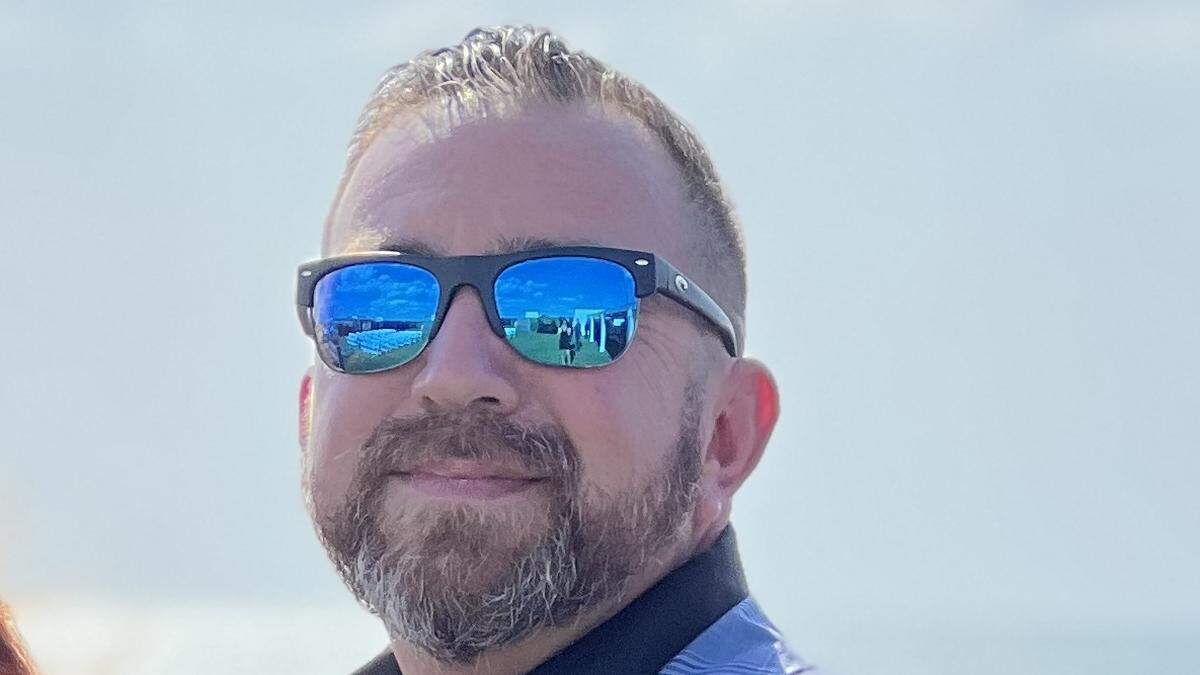
Sam Fresquez
Q: What is your No. 1 priority for the city of Myrtle Beach and why?
A: My key initiative is First Responders First because when we take care of those who take care of our community, we build a stronger, safer Myrtle Beach. By ensuring our police, firefighters and emergency medical services teams have the support, training and resources they need, we directly increase public safety and strengthen the trust that keeps our neighborhoods secure.
Q: How will you address local housing affordability and availability?
A: Housing affordability isn’t just about the price of a home. It’s about whether people earn enough to live where they work. In Myrtle Beach, we need to focus not only on building housing but also on creating better jobs with sustainable wages so families can afford to stay here long-term.
As a process improvement specialist, I know the value of addressing problems at the root. For housing, the root issue is that too many workers — especially in tourism and service industries — earn wages that don’t keep pace with the cost of living. On City Council, I’ll work to attract and grow industries that provide stable, year-round employment and wages that can support a family. At the same time, I’ll partner with local businesses to encourage career training and workforce development so residents can move into higher-paying jobs.
By strengthening our local economy with sustainable wages, we make housing more attainable, reduce turnover and build stronger neighborhoods. To me, this isn’t just about housing. It’s about giving every family the opportunity to thrive right here in Myrtle Beach.
Q: Grade the city’s approach to homelessness. What would you do differently?
A: I would give the city’s current approach to homelessness a C. That grade isn’t meant as criticism. It’s recognition that while there has been some progress, there is still a lot of room to do better. Homelessness is not a problem that can be solved with one policy or one program. It requires consistent attention, compassion and long-term solutions.
What I would do differently is expand and strengthen programs that provide support and education, not just short-term fixes. We need to invest in services that connect people to mental health care, addiction recovery and job training — tools that address the root causes of homelessness and create pathways to stability. At the same time, we should work with nonprofits, faith groups and local businesses to coordinate resources and reduce duplication of effort.
For me, this is about more than just housing. It’s about helping people rebuild their lives, rejoin the workforce and become active members of the community again. A C means “average” — but Myrtle Beach should never settle for average when it comes to helping our neighbors in need.
Q: How specifically would you reduce crime and improve public safety?
A: The first step to reducing crime is making sure the men and women who protect us have the support they need. That’s why my approach begins with First Responders First. Our police officers, firefighters, EMTs and dispatchers are on the front lines every day. If they are understaffed, underpaid or working with outdated equipment, our whole community feels it.
On City Council, I’ll fight to ensure our departments are fully staffed, that training is ongoing and that responders have the resources to do their jobs safely and effectively. Public safety also means addressing burnout and turnover — so I will support stronger benefits and wellness programs, including mental health care for our first responders.
At the same time, reducing crime isn’t only about response. It’s also about prevention. That means investing in community programs that keep kids engaged, expanding safe spaces and building trust between law enforcement and residents.
By taking care of those who take care of our community, and by creating a culture where families and children have opportunities to thrive, we make Myrtle Beach not just safer, but stronger.
Q: What should the city do to boost safety and tourism on the boardwalk?
A: The boardwalk is one of Myrtle Beach’s greatest assets, and keeping it safe is critical to both residents and visitors. I believe the city is right to maintain the curfew for those under 18. It’s a common-sense step that helps reduce late-night issues and keeps our youth safer.
But rules alone aren’t enough. We need a frequent and visible public safety presence on the boardwalk — officers walking beats, engaging with families and making sure visitors feel secure. A strong presence not only deters crime but also reassures law-abiding residents and tourists.
At the same time, we must be clear about the root cause of many of the problems we see: people coming in from out of town and treating our city as if it’s a place to bring their trouble. As a city, we need to be firm and consistent in saying, “Myrtle Beach will not tolerate outsiders bringing crime into our community.”
By combining fair rules, visible enforcement and a clear message of zero tolerance for bad actors, we can protect the boardwalk, boost tourism and keep Myrtle Beach a destination families are proud to enjoy.
Q: What would you do to capitalize on economic development in the city?
A: Economic development in Myrtle Beach must be about more than short-term growth. It has to create sustainable opportunities that support families year-round. That’s why I see the new Arts and Innovation District as a game-changer. It gives us the chance to attract entrepreneurs, creatives and forward-thinking businesses that diversify our economy beyond seasonal tourism.
On City Council, I would prioritize making this district a hub for sustainable businesses — companies that provide stable wages, invest in the community and create career paths for residents. This includes encouraging startups, tech firms and small businesses that want to grow here, not just pass through.
At the same time, I believe in fostering partnerships with local schools and colleges to connect our workforce to these new opportunities, ensuring that residents — especially young people — are prepared for the jobs being created.
By aligning economic development with sustainability, creativity and community, we can ensure Myrtle Beach grows in a way that strengthens families, supports first responders and builds a brighter future for our children. The Arts and Innovation District should be the spark that lights that transformation.
Q: Is the city government as transparent as it should be? How would you improve that?
A: I believe the city of Myrtle Beach does a great job providing the public with access to ongoing work, projects and initiatives. The information is out there, and city staff put real effort into keeping the community informed. That said, I also believe we can always do better when it comes to transparency and communication.
As a process improvement specialist, I’ve learned that transparency isn’t just about sharing information. It’s about making sure people understand why decisions are made and how they impact families and neighborhoods. On City Council, I would work to expand opportunities for two-way communication, not just updates. That means regular community forums, clearer budget dashboards and creating space for residents to provide meaningful input early in the decision-making process.
My goal is to foster a stronger relationship between city leadership and the community — where residents not only see what is happening but feel included in setting priorities. Transparency builds trust, and trust builds a stronger Myrtle Beach. Together, we can make sure city government reflects the values, needs and voices of the people it serves.
Q: List one budget cut and one new expense you think is necessary. Explain why.
A: For a new expense, I believe we need to invest in our fire departments by implementing 24/72 shift schedules – a 24-hour shift followed by three days off. This model is proven to improve work-life balance, reduce burnout and make our city more competitive in recruiting and retaining top firefighting talent. When our first responders are well-rested and supported, they serve our community more effectively and safely. It’s not just a benefit for them. It’s an investment in public safety for everyone in Myrtle Beach.
On the budget cut side, I would focus on eliminating waste identified through thorough budget analysis. As a Lean Six Sigma process improvement specialist, I know that inefficiencies hide in duplicated services, underutilized contracts and outdated processes. By identifying and cutting these wasteful expenditures, we can free up funds for priorities like fire and police staffing, without raising taxes.
This balance — cutting waste where it doesn’t serve residents and reinvesting in what does — reflects the type of smart, data-driven leadership I want to bring to City Council.
Q: What is one issue we didn’t mention that deserves more attention and why?
A: One issue that deserves more attention is how we make Myrtle Beach a family-friendly city in every decision we take. As a father of two school-aged boys, I see firsthand how choices at the city level ripple out to affect not just today, but our children’s tomorrow.
This means creating safe parks and recreational areas, investing in youth programs and ensuring that our public spaces are welcoming to families. But it also means setting a higher bar for decision-making — asking with every policy, “Does this improve life for families? Does this make Myrtle Beach a safer, stronger place for our kids to grow up?”
Too often, cities measure success in dollars or tourist counts. Those matter, but the real measure of success is whether families want to plant roots here and whether children see Myrtle Beach as the place where they can thrive.
That’s why my focus will always be on quality decisions that put families first. When we strengthen families, we strengthen our entire community.
Q: Why should voters choose you over your opponents in this election?
A: Voters should choose me because I bring something different to the table — a background in process improvement and data-driven leadership. Too often, decisions in city government are made based on opinions, personalities, or ego rather than facts and outcomes. That leads to waste, inefficiency, and policies that don’t solve the real problems.
As a Lean Six Sigma process improvement specialist, I have spent my career identifying root causes, eliminating waste and implementing solutions that last. I believe those same tools can transform the way our city makes decisions. My focus will always be on what the data tells us, what our community truly needs and how we can deliver results in the most efficient, transparent way possible.
This isn’t about me. It’s about building a better Myrtle Beach for families, first responders and future generations. With me on City Council, residents can expect decisions that are fact-based, accountable and centered on outcomes that improve quality of life for everyone.
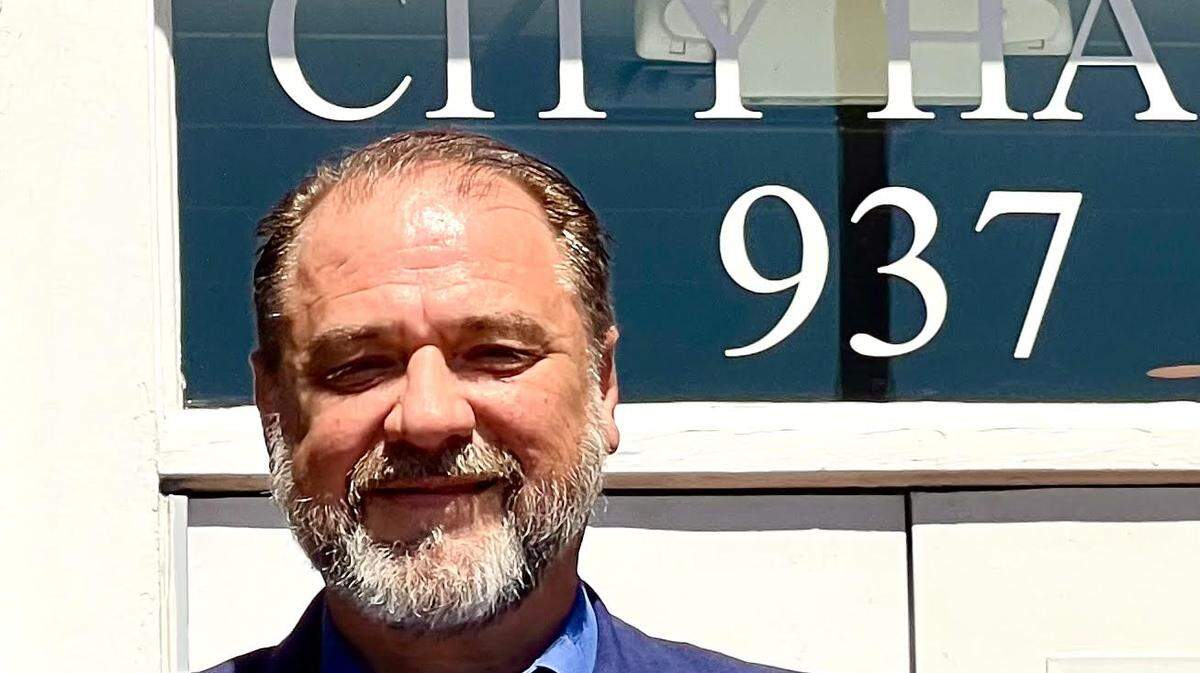
Doug Kelly
Q: What is your No. 1 priority for the city of Myrtle Beach and why?
A: The citizenry of Myrtle Beach has informed me of a myriad of challenges that they believe need work, and they are all important. Things we need to be doing, things we need to be doing better and things we need to be doing less of and things we need to stop doing all together. I will continue to encourage residents to share their thoughts on what is most important to them. My job will be to carry their concerns to Council and work toward favorable outcomes.
Public safety, fiscal responsibility and transparency are currently at the top of the list of the people’s concerns.
Q: How will you address local housing affordability and availability?
A: Understand that some of our area hospitality workers come from inland cities and ride subsidized buses for the opportunity to work and they have no desire to live in the city. I stand in favor of offering housing subsidies to those workers who do want to live in the city, as well as special rules and subsidies for landlords who work with our Housing Authority. Whereas only about 15% of our city employees live within the city limits, I stand in favor of even greater financial aid for those who desire to do more than just “work” for the city. Their living in the city will instill a sense of pride in the city and their workplace.
Q: Grade the city’s approach to homelessness. What would you do differently?
A: I would give the city a B+. I know we have several programs in place, both public and private, that all aim to decrease homelessness. I was fortunate to have been recently briefed by a local retiree who spent their entire career working in mental health as a department head and agency leader of two larger municipalities and one statewide authority. He spoke of the relationship between addiction and mental health and how they combine to be root causes of homelessness.
My promise is to continue to educate myself and never stop believing that every living being needs to be shown compassion, no matter their situation. Some we will be able to help with a boost and others will not accept help of any sort.
As a city, we need to continue to reach out to the homeless, whether they be in Plyler Park, in the middle of our entertainment district or in one of our few remaining forested areas. They have to know that help is available for those who wish to make a positive change in their lives.
I’ve seen homelessness in the big cities. It’s an issue everywhere, but we don’t face the challenge on the same scale that I’ve seen in my travels.
Q: How specifically would you reduce crime and improve public safety?
A: We need to let visitors know that we are watching. The city has nearly 1,2000 cameras and a real-time crime unit monitoring those systems. Those help us solve crimes after they happen but do little to prevent them. I’m sure you’ve seen the new trailer systems in parking lots of retail stores that provide additional surveillance in parking lots. What do they all have in common? Flashing blue and red lights. Simple reminders that big brother is watching. Not to put a damper on the fun, but to remind the bad guys that they won’t get away with crimes perpetrated in our community. None of our cameras have lights and they should.
Q: What should the city do to boost safety and tourism on the boardwalk?
A: Myrtle Beach and our boardwalk are safe. Overreported, isolated incidents have tarnished our reputation. Crime statistics are often created by looking at our city’s population base and do not take into account the hundreds of thousands of visitors that flood our city from week to week in the busy summer months. Crime numbers are skewed when put next to our permanent population. I will always support a fully staffed police department and an increased presence in our tourism zones and wherever else throughout the city as reported by our citizens
Q: What would you do to capitalize on economic development in the city?
A: We will always be a Mecca for Middle America to vacation at the beach. Our blue-collar heritage of mill workers coming during plant overhauls and refits will always be with us.
We should continue to promote our convention business whether it be groups that fill our convention center or the smaller groups that fill the meeting and convention rooms at many of our resorts.
A world class university would also be a boost to the economy. The University of Myrtle Beach has quite a ring to it.
Q: Is the city government as transparent as it should be? How would you improve that?
A: Transparency is in the Top 5 of the things that need work. I think it’s there; however, I think our city needs to do more to inform our citizens before big decisions are made. What the people are telling me is that they find out about big decisions in the news after they have been made. The $30 million theater in our arts and innovation district is one. That was worked on for years and who wouldn’t want a new venue to enliven our downtown? But a $30 million expenditure for a 300-seat theater? That’s $100,000 per seat. Did it really need to cost that much?
We need to do more to inform the people and encourage them to speak up as opposed to being told what has been decided on their behalf after the fact. That starts by encouraging them to attend City Council meetings. We, as a city, need to consider holding the meetings at times that allow more working residents to attend and be a part of the process.
Q: List one budget cut and one new expense you think is necessary. Explain why.
A: I was recently given a copy of the city’s budget and I have been reading it. Hundreds of pages showing how we spent nearly $1 million dollars a day. I’m not ready to fire anybody until I finish the book and have time to get answers to my questions on why we do some things the way we do. I stand in favor of increased attention to keeping our beachgoers safe as Mother Nature’s unintended fury still takes an occasional life, even on beautifully sunny days. Until technology provides an answer, old-fashioned eyes on those in the water is the answer.
Q: What is one issue we didn’t mention that deserves more attention and why?
A: There should have been a question in this survey about what makes Myrtle Beach so great. The answer is the proximity of our sandy shores to the populous eastern United States. We have affordable accommodations within a long day’s drive of two-thirds of the nation. We draw more than 17 million visitors each year, and we humbly grew it all without the benefit of a major interstate. The beach is the steak. All the other stuff is the sizzle.
Q: Why should voters choose you over your opponents in this election?
A: While I understand that elections have consequences, I have said from the beginning that I am not running against anybody or any policy. I am running FOR Myrtle Beach. I moved to Myrtle Beach in March 1991. This coming spring will be 35 years on the ground living inside of the city limits. I’ve seen too many changes to mention.
My work has taken me to locations far and wide, and I find myself seeing new things in other cities and wondering what it would take to bring them to Myrtle Beach. My list of ideas continues to grow, and I will work hard to bring a fresh stream of ideas even if they are not wholly original.
In our case we need to find things that work and repeat them. I have always been a big-picture, outside-of-the-box thinker and if the residents of Myrtle Beach are ready for something new and different, they should vote Doug Kelly this November. My time is NOW.
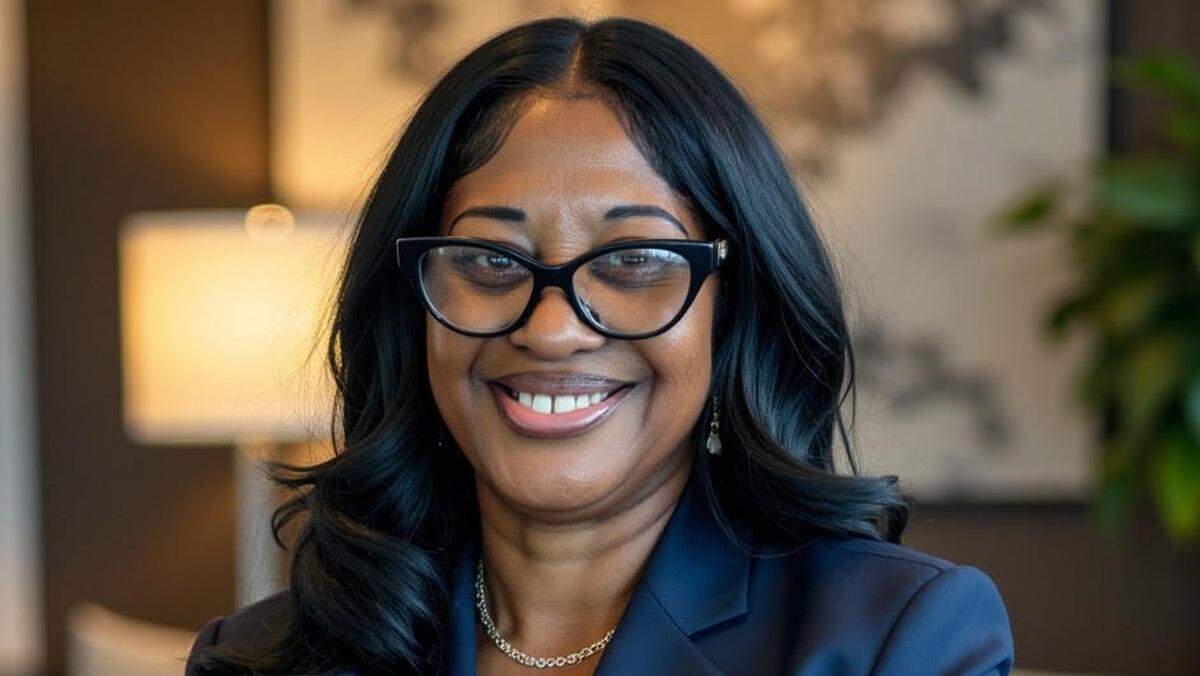
Kenya Staten Hennigan
Q: What is your No. 1 priority for the city of Myrtle Beach and why?
A: As a candidate for Myrtle Beach City Council, my No. 1 priority is public safety, specifically increasing police presence to address the growing needs of our expanding community. With more officers on the streets, we can better protect residents, visitors and businesses, ensuring a safer and more secure environment for everyone in Myrtle Beach.
Q: How will you address local housing affordability and availability?
A: As a candidate for Myrtle Beach City Council, I will address local housing affordability and availability by exploring initiatives such as:
● Incentivizing developers to build affordable housing units.
● Streamlining permitting processes to reduce construction costs
● Collaborating with local organizations to provide resources for low-income residents.
● Implementing policies to encourage mixed-income developments.
By working together with stakeholders, we can increase housing options and make Myrtle Beach a more affordable and inclusive community for all residents.
Q: Grade the city’s approach to homelessness. What would you do differently?
A: As a candidate for Myrtle Beach City Council, my grade on the city’s approach to homelessness is a good start but with room for improvement. To better address this complex issue, I’d focus on increasing affordable housing options, expanding emergency shelter capacity and enhancing community collaboration. By working together with local organizations and stakeholders, we can provide more comprehensive support services and help individuals transition out of homelessness.
I’d prioritize a coordinated approach to address the root causes of homelessness, ensuring that our city provides a safety net for those in need while promoting dignity and opportunity for all residents.
Q: How specifically would you reduce crime and improve public safety?
A: As a candidate for Myrtle Beach City Council, I will advocate to reduce crime and improve public safety by increasing police presence, particularly in high-crime areas, and implementing community policing initiatives to build trust between law enforcement and residents.
I’d also invest in technology, such as surveillance cameras and crime analytics, to enhance crime prevention and investigation. Additionally, I’d support programs that address underlying social issues, like youth mentorship and job training, to help prevent crime before it starts.
By taking a multifaceted approach, we can create a safer and more secure environment for all Myrtle Beach residents and visitors.
Q: What should the city do to boost safety and tourism on the boardwalk?
A: As a candidate for Myrtle Beach City Council, I will advocate to boost safety and tourism on the boardwalk by implementing enhanced security measures, such as increasing police presence and installing surveillance cameras.
Additionally, I’d work to address concerns about homelessness and panhandling by collaborating with local organizations to provide support services and resources. Improving cleanliness and maintenance of the boardwalk area would also be a priority, ensuring a welcoming environment for visitors. By focusing on these key areas, we can create a safer and more enjoyable experience for tourists, ultimately benefiting local businesses and the community as a whole.
Q: What would you do to capitalize on economic development in the city?
A: As a candidate for Myrtle Beach City Council, I will focus on capitalizing economic development by supporting local businesses, attracting new industries and investing in infrastructure.
Key initiatives would include:
Business support and retention: Collaborate with organizations like the Myrtle Beach Regional Economic Development Corp. to provide resources and incentives for local businesses, ensuring they thrive and expand in our community.
Industry diversification: Attract a diverse range of industries to reduce our reliance on seasonal tourism, creating a more stable and resilient economy. This could include targeting tech, manufacturing and health-care sectors.
Infrastructure development: Invest in modern infrastructure, including high-speed internet and transportation systems, to support business growth and make Myrtle Beach an attractive location for companies to set up shops.
Workforce development: Work with local educational institutions to provide training programs that equip our workforce with the skills needed to fill high-paying jobs, driving economic growth and increasing average wages.
Community engagement: Foster a collaborative environment between businesses, residents, and government agencies to ensure everyone is working together towards common economic goals.
By taking these steps, we can create a thriving economy that benefits all members of our community and makes Myrtle Beach a desirable place to live, work and visit.
Q: Is the city government as transparent as it should be? How would you improve that?
A: As a candidate for Myrtle Beach City Council, I believe transparency is crucial for building trust between our government and residents. While the city has made efforts to provide public access to documents and meetings through the Freedom of Information Act (FOIA) and online platforms, there’s room for improvement.
To enhance transparency, I’d implement the following measures:
● Host regular town hall meetings where citizens can engage with city officials, ask questions and receive updates on city projects and policies.
● Improve online accessibility by continuing to make city documents, budgets and meeting minutes easily accessible online, ensuring residents can stay informed about city business.
● Establish clear communication channels, such as email updates and social media, to keep residents informed about city projects, policies and decisions.
By me ensuring these steps, we can foster a more transparent and accountable government that serves the needs of our residents.
Q: List one budget cut and one new expense you think is necessary. Explain why.
A: As a city council member of Myrtle Beach, I will propose the following budget adjustments:
Budget cut: Reduce administrative overhead costs by streamlining city government processes and eliminating redundant positions, allowing us to allocate more resources to frontline services and community programs.
New expense: Invest in additional homeless services, such as emergency shelters, mental health resources and job training programs, to address the growing issue of homelessness in our city and provide support to those in need.
Q: What is one issue we didn’t mention that deserves more attention and why?
A: As a candidate for Myrtle Beach City Council, one issue that deserves more attention is traffic management and infrastructure.
With our city’s growing population and influx of tourists, our roads and highways are becoming increasingly congested, leading to safety concerns and decreased quality of life. I’d prioritize investments in infrastructure improvements, such as widening key roadways, enhancing public transportation options and implementing smart traffic management systems to reduce congestion and improve traffic flow. By addressing these infrastructure challenges, we can enhance the overall livability of Myrtle Beach and support sustainable economic growth.
Q: Why should voters choose you over your opponents in this election?
A: As a 25-year-old Myrtle Beach resident with a master’s degree in human services and a nearly complete doctorate, I bring a deep understanding of our community’s needs and expertise in addressing social issues. My experience will enable me to effectively advocate for policies supporting public safety, affordable housing and community development.
I’m committed to collaborative leadership, transparency and putting residents first. My extensive knowledge of human services will help drive positive changes and improve the quality of life for all Myrtle Beach residents.
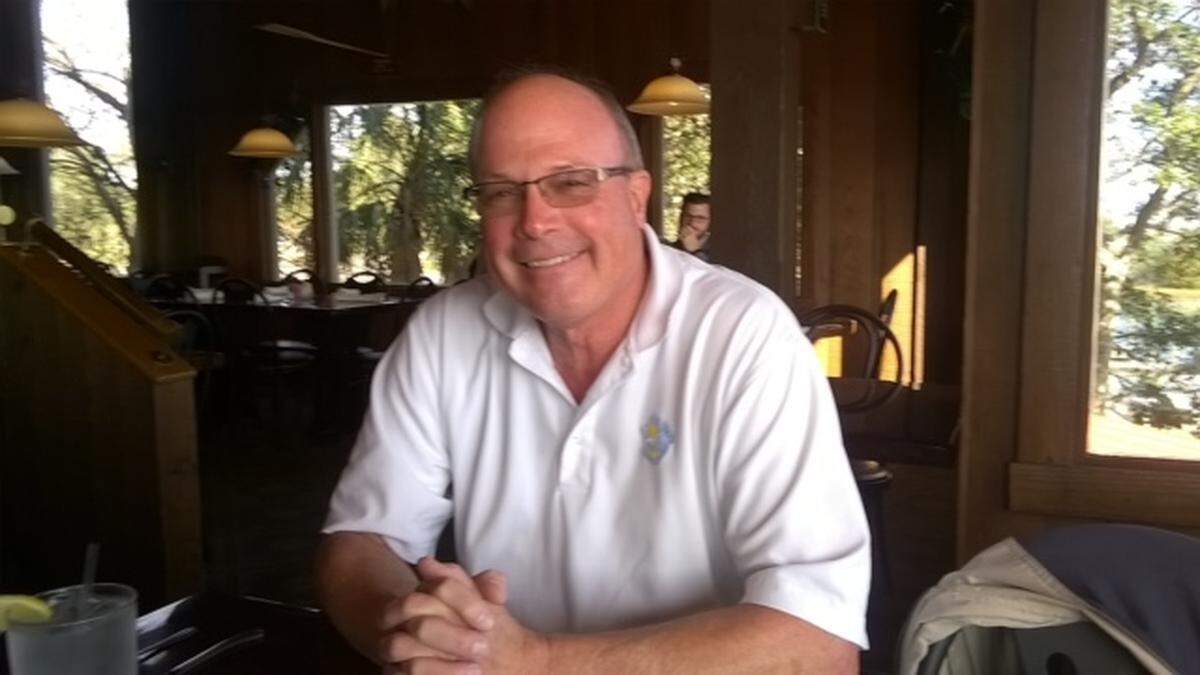
Phil Render
Q: What is your No. 1 priority for the city of Myrtle Beach and why?
A: Fully resource public safety and judiciously deploy law enforcement resources.
Q: How will you address local housing affordability and availability?
A: Continue to support the Tourism Development Fee, which gives approximately 8,000 Myrtle Beach families a tax credit making home ownership more attainable in a climate where homeowners insurance continues to rise.
Q: Grade the city’s approach to homelessness. What would you do differently?
A: Encourage a countywide campus located centrally in the county, where medical, dental, mental health and educational resources are available to assist those in need.
Q: How specifically would you reduce crime and improve public safety?
A: Encourage state lawmakers to elect judges who are firm and fair in sentencing offenders.
Q: What should the city do to boost safety and tourism on the boardwalk?
A: Continue consistent police patrolling, solicit regular input from the merchants and encourage aesthetic building renewal efforts
Q: What would you do to capitalize on economic development in the city?
A: We have a local economy driven by tourism, real estate and our retirement community. In an effort to improve access to primary medical care, the city needs to promote and establish a relationship with the Medical University of South Carolina through cooperation with our four hospital systems by encouraging the expanding of MUSC’s graduate training programs in Horry and Georgetown counties. Medical residents tend to practice where they train.
Q: Is the city government as transparent as it should be? How would you improve that?
A: Council votes on the issues should be reported regularly by the media, i.e. budget vote, stadium vote, major expenditure votes
Q: List one budget cut and one new expense you think is necessary. Explain why.
A: Budget cut: Baseball stadium modifications appear to be excessive with totals approaching $40 million
Budget increase: Public safety and employee educational opportunities to enable city employees to better serve the citizens of Myrtle Beach while bettering their future professional opportunities
Q: What is one issue we didn’t mention that deserves more attention and why?
A: All city of Myrtle Beach budget discussions should be held within the city limits of Myrtle Beach so residents may easily attend if they wish. I attended 13 out-of-town budget retreats and always had folks who said they would have liked to attend but could not drive 90 miles away.
Q: Why should voters choose you over your opponents in this election?
A: I am and have been a sound fiscal conservative. I was responsive to the citizens I served as a 20-year council member and prior mayor pro tem. I regularly attended neighborhood meetings, even in non-election years and after retiring from office.I presently have concerns as our city debt has risen from $198 million my last year in office in 2023 to $336 million now. I will continue to carefully monitor budgetary issues in the future.
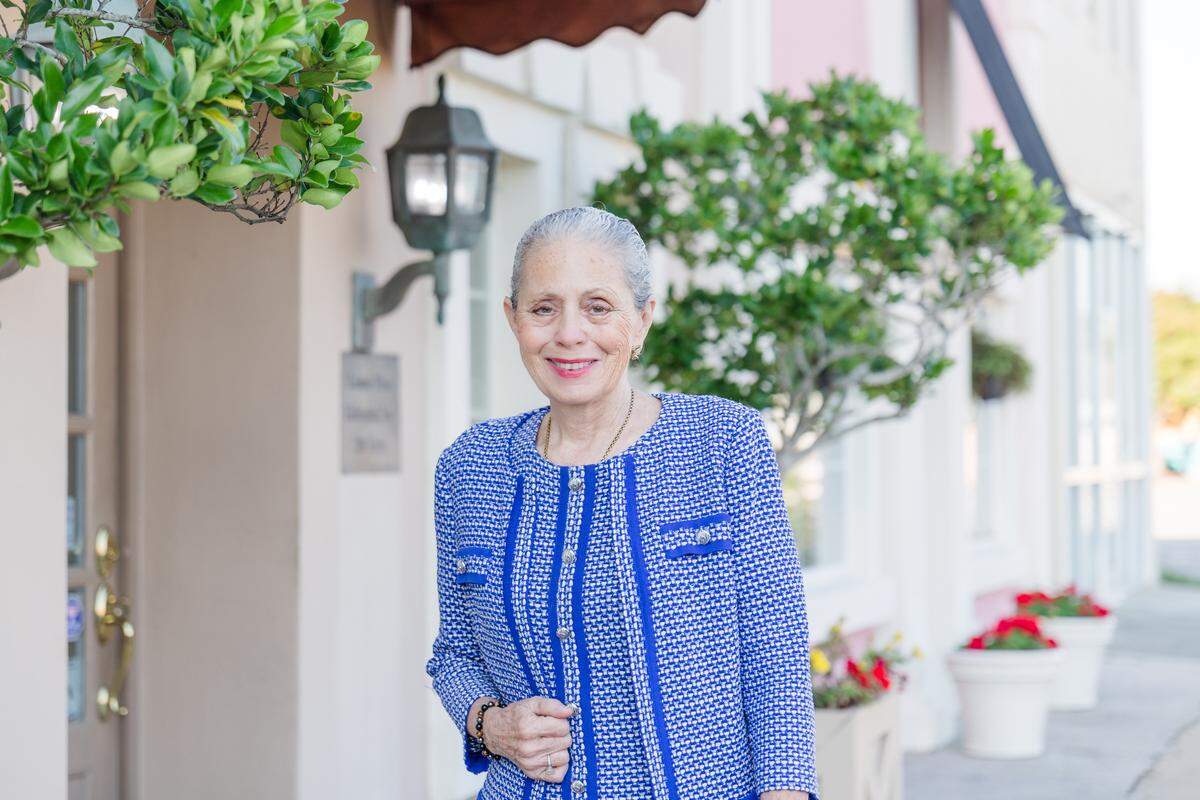
Myra Starnes
Q: What is your No. 1 priority for the city of Myrtle Beach and why?
A: To set protocols in place to vet the way we hire consultants and contractors. Also to make sure all city boards’ membership provides opportunities for all areas of the business communities, both large and small. Boards should also include all residential communities with board membership status, too! Input from all parties ensures that projects will be successful. We need neighborhoods and businesses working together with real data to succeed now and for years to come.
Q: How will you address local housing affordability and availability?
A: We need to make it an easier process for property owners to repair and upgrade existing structures. We also can make incentives for property owners who rent below the market rate. We need incentives for the business community to invest in affordable housing.
Q: Grade the city’s approach to homelessness. What would you do differently?
A: On a 1 to 10 scale, I would give us a 5. When women who are incontinent are not allowed to stay at the shelters, it is clear we do not have the right protocols in place. We need again the input from people who have more experience and knowledge. How hard would it be to supply adult diapers? One lady was forced to live on the street. She was killed on the street last year.
Q: How specifically would you reduce crime and improve public safety?
A: First of all, more police. Why not put a station on Ocean Boulevard? It amazes me that most of the crimes that are really put out to the media are downtown and on Ocean Boulevard. We have crime occurrences in other large gathering places. Again, we need to use the real data before we make our plans, if we are going to solve the problems.
Q: What should the city do to boost safety and tourism on the boardwalk?
A: We used to have lots of fabulous events that brought thousands of people to the oceanfront area. We need to go back to those things. The masses of the empty buildings are owned by the city and/or controlled by the South Carolina Department of Transportation. We need to make it easy to upgrade the existing structures that represent our history. We need to make decisions based on facts.
Example: One engineering firm wanted to put in reversed angle parking to slow traffic on parts of Broadway. When asked why not just use speed bumps, they answered that speed bumps cause flooding. 1) Speed bumps do not go to the curbs. 2) There are many kinds of speed bumps, and a few are porous. 3) Every city I researched that tried this type of parking never wanted to do it again. It killed the business in the area because people did not want it.
Q: What would you do to capitalize on economic development in the city?
A: First of all, we need to look at the new developments and make good infrastructure plans. Traffic flow, road access, water and sewer affect all the developments. The new developments are putting great stress on all the systems. We need to look at the whole picture to make the proper plans, so we do not have a headache down the road. The homeowners deserve it.
Q: Is the city government as transparent as it should be? How would you improve that?
A: It is not. I sent a Freedom of Information Act request two months ago. It only answered a few questions. Example: We hire consultants that would not be able to get a job with the city. Any potential city employee is not eligible to have permanent employment if you have a convicted felon record.
But we hire consultants to advise us on the worth of the city’s property who tell us to sell the property for $200,000 per acre less than what we paid for it two decades ago. (We all know property is worth much more than it was decades ago, and the consultant is a convicted felon.)
No one questions the information or why we are using a particular consultant. Most of their decisions are based on the study, not the facts. If they cannot qualify to be a city employee, why do we use them? In the FOIA, I requested information to know if there were any protocols for hiring consultants or experts. In the city’s FOIA response, it did not provide any information. I think it’s safe to assume there are no requirements or it would have supplied the list of protocols that are in place. We need to have a vetting process put in place for all contractors used.
Q: List one budget cut and one new expense you think is necessary. Explain why?
A: We do not need a separate company to run the Sports Center. The Convention Center’s existing team could easily run the Sports Center too. And we would save the money we pay to a third party to run it.
New expenses: We need to spend it on everything from potholes in neighborhoods to bolstering our police force, just to name a few. Why? Because we need more police. The neighborhoods that can afford new tires do not have potholes, but in the neighborhoods where people can’t afford new sets of tires, there are potholes all over the roads in their community.
Q: What is one issue we didn’t mention that deserves more attention and why?
A: The way we keep books. The Convention Center has been paying the bond payments for the hotel for many years. The Convention Center parking revenues for years have been split with the Sports Center. It was getting 50% of the gross parking revenue, before expenses, with no overhead. That was all taken from the Convention Center half. And it was for all parking, even if the Sports Center had no revenues. This has changed now; it is just when the Sports Center is booked. But for many years the revenues were taken from the Convention Center to carry the Sports Center. A deep look into how the city’s books are handled is needed and procedures need to be put in place. If it is done this way at the Convention Center, it is likely to exist in other departments.
Q: Why should voters choose you over opponents in this election?
A: Because I will ask questions, not just approve of what some unvetted company’s study suggests we do because they are the experts. I am a small business owner with boots on the ground, and I am aware of the bait and switch taking place. We need to deal with real data.
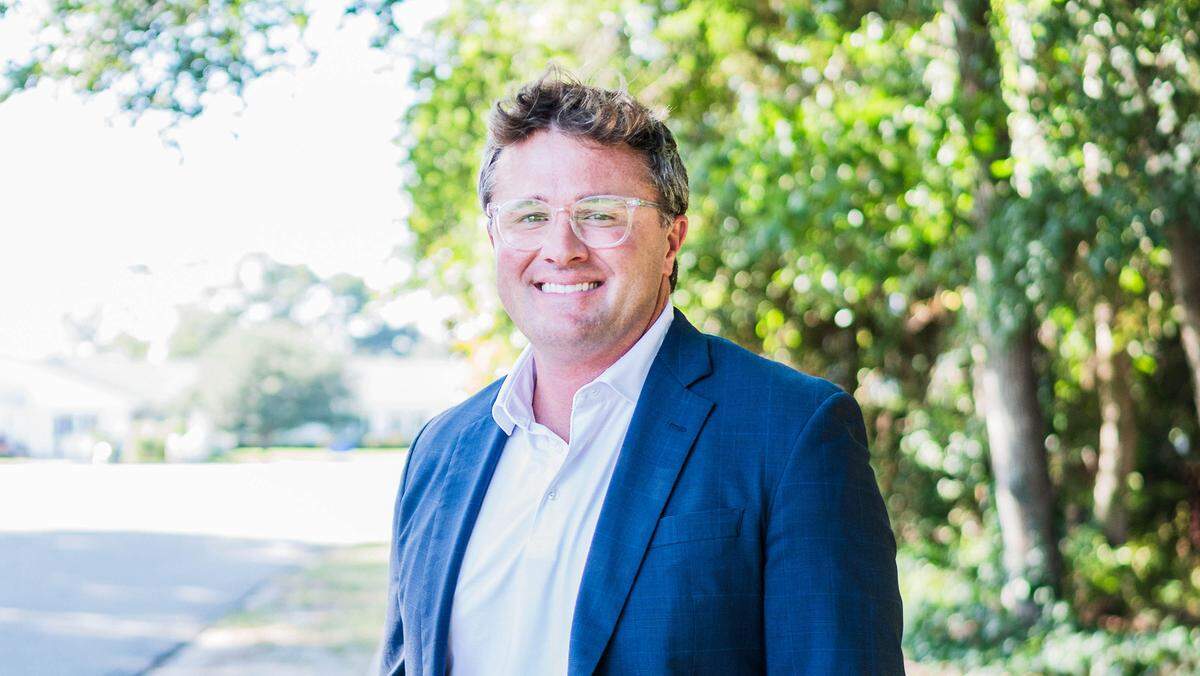
Nick Vaugh
Q: What is your No. 1 priority for the city of Myrtle Beach and why?
A: Public safety comes first. Families, seniors and businesses only thrive when people feel safe in their neighborhoods, on our roads and along the beach. Right now, crime and disorder hold Myrtle Beach back. I want our city to be the safest coastal city in America.
That’s why I will establish a Department of Public Safety that unites police, fire/EMS and code enforcement under one roof. With one boss accountable directly to City Council, we’ll eliminate silos, streamline response and ensure resources are working together. Safe streets are the foundation for everything else — stronger neighborhoods, economic growth and a Myrtle Beach we can all be proud of.
Q: How will you address local housing affordability and availability?
A: Myrtle Beach needs more housing options for working families, seniors and young professionals — not just luxury developments. I’ll cut red tape and speed up approvals so good projects don’t get buried in bureaucracy. I’ll support workforce housing partnerships with the private sector and nonprofits. I’ll also push zoning reforms to allow smart infill and mixed-use development where infrastructure already exists.
Housing must be affordable, available and built smart — so locals can live where they work.
Q: Grade the city’s approach to homelessness. What would you do differently?
A: I’d give the city a D. The response has been too weak, enabling a cycle of dependence that drains resources. Fire and EMS have told me firsthand about calls where individuals only wanted a free meal or air conditioning while others in real emergencies went without immediate care. That is unacceptable. Myrtle Beach has also become a magnet for homeless populations from outside the area, further straining services.
We need compassion — treatment and job training for those willing to take it — but also accountability with strict enforcement of laws. No more enabling. Public safety and taxpayers must come first.
Q: How specifically would you reduce crime and improve public safety?
A: Step one is visible police presence in our neighborhoods, in our business districts and along the boardwalk. Step two is backing officers with modern tools — cameras, license plate readers and data-driven policing. Step three is embracing a broken windows approach, cracking down on nuisance crimes and disorder before they grow into bigger problems. Step four is investing in youth programs that stop crime before it starts.
To make all of this work, I will create a Department of Public Safety — one unified command that brings together police, fire/EMS and code enforcement. This means faster response, less bureaucracy and one leader who is directly accountable to City Council and the public. And we’ll make sure our officers and first responders are well-paid and incentivized to stay, so Myrtle Beach keeps the best talent protecting our city.
The goal is not just catching criminals. It’s preventing crime, restoring order and protecting Myrtle Beach’s reputation as a safe, family-friendly destination.
Q: What should the city do to boost safety and tourism on the boardwalk?
A: The boardwalk must be safe, clean and family-friendly. Police presence is step one, with year-round patrols and a zero-tolerance policy for disorder. Better lighting, modern cameras and daily upkeep are essential. Code enforcement must also crack down on nuisance properties and violations.
A Public Safety team based on site — police, fire/EMS and code enforcement working together — will ensure quick response and order. Officers must be empowered to act early — addressing small violations, conducting proactive checks in problem areas and stopping drugs and weapons from ever reaching the boardwalk. And we must keep these officers motivated with fair pay and incentives so we retain top talent.
Once the boardwalk is safe and orderly, we can elevate it with live music, family events and local vendors. A safe, clean and vibrant boardwalk will once again be the heartbeat of Myrtle Beach.
Q: What would you do to capitalize on economic development in the city?
A: Myrtle Beach must stop thinking small and start competing as a world-class destination. Seasonal tourism isn’t enough. We need to bring year-round jobs in healthcare, technology and professional services while still strengthening hospitality and small business. That means cutting red tape with a true “one-stop shop” for business growth, where permits and approvals don’t drag on for months.
At the same time, we should invest in game-changing venues — an arena and amphitheater that attract concerts, conventions and sporting events 12 months a year. Downtown revitalization should create a place where locals want to live, work and play — not just a place visitors pass through.
The goal is simple: Myrtle Beach should be known not just as a beach town but as the economic engine of the Carolina coast.
Q: Is the city government as transparent as it should be? How would you improve that?
A: No. Too many decisions happen without real public input. Transparency means more than livestreaming meetings. It means showing residents exactly where their tax dollars go and what projects are underway. I’d push for an online “City Dashboard” with spending and project updates in real time, and hold regular neighborhood town halls to listen directly to residents.
Transparency builds trust — and Myrtle Beach needs more of it.
Q: List one budget cut and one new expense you think is necessary. Explain why.
A: I support zero-based budgeting — starting every year at zero and forcing every department to justify every dollar. That’s how you cut waste and focus spending where it matters. One area to cut is wasteful consulting contracts — too much money goes to reports that sit on shelves.
A priority for new spending is public safety technology like cameras and license plate readers.
Cut the fluff, fund what works — and hold every dollar accountable to taxpayers.
Q: What is one issue we didn’t mention that deserves more attention and why?
A: Infrastructure. Our drainage, roads and utilities haven’t kept pace with growth, and flooding continues to threaten homes and businesses. We must modernize utilities, fix drainage and make sure new development pays its fair share so current residents aren’t left with the bill.
But infrastructure isn’t just pipes and pavement. It also means protecting our oceans and waterways because clean water is essential to our economy and reputation as a world-class destination. And it means investing in attractions and public spaces that function like infrastructure — arenas, amphitheaters and revitalized districts that drive year-round tourism, strengthen our tax base and benefit both residents and visitors alike.
Right now, we spend a lot of money marketing Myrtle Beach, but there’s a serious imbalance in the type of visitor we attract. If we want to change that, we must invest in the product we are marketing — safe streets, clean waterways, modern venues and attractions, along with family-friendly spaces that make Myrtle Beach worth the trip.
The bottom line: Strong infrastructure, clean water and destination-worthy attractions will secure Myrtle Beach’s future as a thriving coastal city.
Q: Why should voters choose you over your opponents in this election?
A: I’m not a career politician — I’m a builder. I’ve built businesses, created jobs and invested in Myrtle Beach because I believe in this city. I know what it takes to cut through red tape, balance budgets and deliver results in the real world.
My opponents talk about ideas. I bring a plan. My signature reform is a Department of Public Safety that unites police, fire/EMS and code enforcement under one roof, with one boss accountable directly to City Council. That’s real accountability and real results. Add to that zero-based budgeting to cut waste and make every dollar accountable, and bold investments to transform Myrtle Beach into the safest, strongest and most vibrant coastal city in America.
At the end of the day, voters face a choice: more of the same — or leadership with the courage to make effective changes. I’m running to make Myrtle Beach not just a place people visit, but a place families are proud to call home. I’ll fight every day to deliver on that promise.
This story was originally published October 7, 2025 at 5:00 AM.