
Americans once themselves refugees from Vietnam have empathy for Afghans
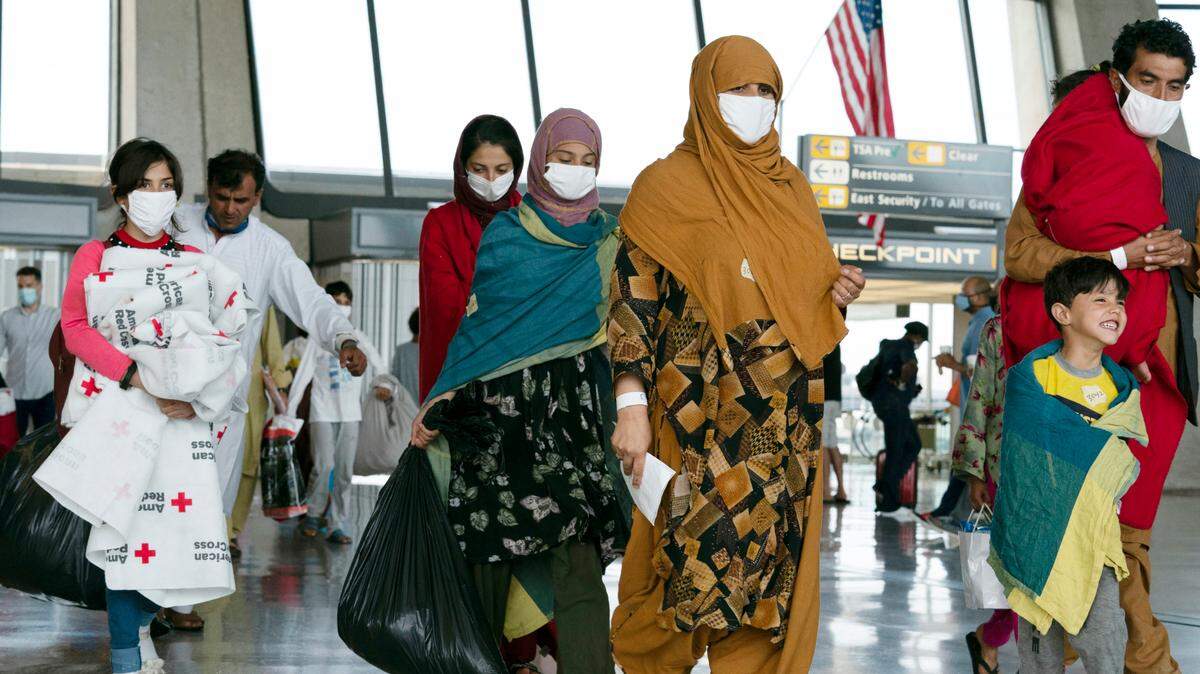
The Afghans packed in U.S. military airplanes leaving Kabul reminded me of the Vietnamese refugees who resettled in the United States following the fall of Saigon in 1975.
We lived in Champaign-Urbana, Illlinois, home of the main campus of the University of Illinois, and the twin cities received and welcomed some Vietnamese families. A U.S. evacuation program resettled about 125,000 Vietnamese in 1975, but for the next four years, the government allowed only Vietnamese who were rejoining their families here. In all, about 300,000 refugees from Vietnam, Laos and Cambodia came to the United States over five years.
President Gerald Ford (he succeeded Richard Nixon who resigned) said America could not ignore the refugees, to do so “would be to repudiate the values we cherish as a nation of immigrants.” Like the Afghans today, the Vietnamese of the 1970s had been our allies in years of war.
We could not leave them to the North Vietnamese, nor Afghans to the Taliban.
PARALLELS
In both Vietnam and Afghanistan, our full involvement followed decades of warfare by the French in Vietnam and Russians in Afghanistan. The reasons for U.S. involvement differed; the human cost in Vietnam and the public outcry were greater. Ultimately the lack of U.S. public support forced our withdrawal.
Americans historically have differing views about accepting refugees, shown in decades of Gallup polls. The Pew Research Center in 2018 found most Americans favored immigrants seeking a better life over refugees from war or other violence. Pew found the opposite response in 16 other nations.
The online report Insider quoted Vietnamese Americans expressing the hope that Afghan families will have the same opportunity at restarting their lives. “We feel empathy for the Afghan people,” said Thang Dinh Nguyen, president of the nonprofit Boat People SOS.
Others, too, including church congregations, will assist the Afghans who resettle here, going through more upheaval as they adjust to a different culture.
STEREOTYPING
A timely television series, “United States of Al” is about former U.S. Marine Riley’s translator in Afghanistan staying with Riley’s family here. Al of the title is Awalmir Karimi, played by the South African actor Adhir Kalyan. Parker Young plays Riley.
Preparing refugees for stereotyping is one thing the good folks helping newcomers may need to do. I don’t know that stereotyping is an uniquely American tendency, but I imagine a diverse culture like ours has more stereotyping than Afghans have experienced.
Asian Americans, Blacks, Catholics, Greeks, Italians, Jews, Mexicans, Native Americans, Poles – name a group of people, and they are stereotyped, or have been. People from Ireland, and Germany came to America about a generation prior to southern Europeans.
Still ridiculed by people here before them, Irishmen quickly considered themselves better than the arriving Italians. Yes, we still have not-funny jokes about people of German, Irish, Italian, Japanese, Polish, Russian, Scandinavian descent. Enough already – unless you have a good one about.
DEHUMANIZING
Stereotypes have a dehumanizing impact, Richard Sandomir wrote in a New York Times obituary on Janice Mirikitani, a poet and activist who died in July. Mirikitani personally experienced an extreme result of stereotypes, spending her early years with her California-born parents “in an internment camp for people of Japanese ancestry during World War II, then worked most of her life aiding people in need.”
One of her poems, Yes, We Are Not Invisible includes these lines:
“No, I’m not from Tokyo, Singapore or Saigon.
No, your dogs are safe with me.
No, my peripheral vision is fine.
No, I’m very bad at math.
No, I do not answer to Geisha Girl, China Doll, … or gook, or Jap or chink.
No, to us life is not cheap.”
-
D.G. Schumacher is a senior writer on The Sun News Editorial Board.