
Grocery closing hardships indicative of continuing tough times for many
Early on in the coronavirus pandemic, it was clear that Americans faced a two-pronged crisis of unprecedented proportions: Public health from COVID-19 and economic from the loss of businesses, jobs and income.
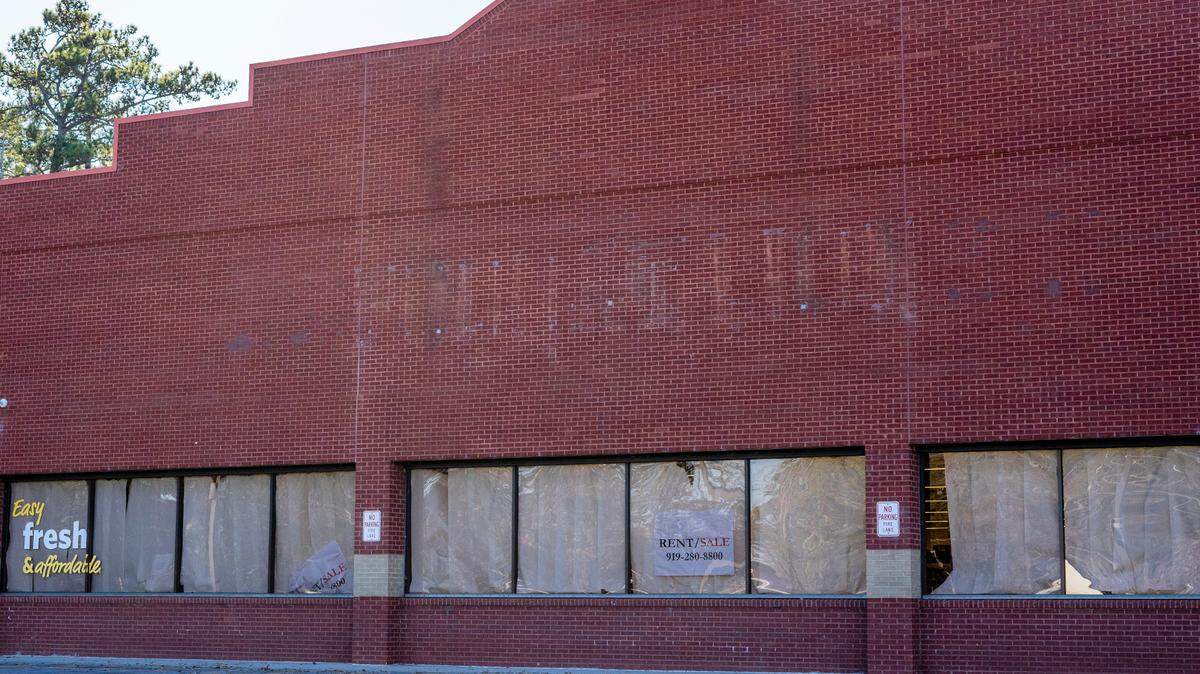
The closing of a grocery store in the heart of Myrtle Beach (the Food Lion on U.S. 501) illustrates how tough times are far from over, even as COVID-19 vaccines are becoming available. Horry County health care providers have received vaccines and eventually ‑ months from now – others will have the vaccines.
The neighborhood served by the closed Food Lion was hit harder than some by the pandemic. A third of the residents are below the federal poverty line and 30% of the households use Supplemental Nutrition Assistance Program (SNAP) benefits. According to Census data, the unemployment rate, prior to the pandemic, was 25%.
A FOOD DESERT
The closing creates “… a food desert, a low-income neighborhood where there is no access to affordable and healthy food within one mile,” Gerard Albert reported in The Sun News. The article described how residents had a 10-minute round-trip walk to the Food Lion and now have a two-mile walk to the Walmart on Seaboard Street for groceries. It’s a much longer trip, taking one resident over an hour to walk to Walmart and back home.
A man who was raised in the neighborhood around the closed store talked about the difficulties for people who don’t have vehicles – nearly one-fourth, according to Census data. “A lot of people don’t know where their transportation is going to come from now.”
The food desert has scattered convenience stores, which typically do not carry a variety of fresh vegetables and fruits. For some, who may be disabled, walking is not a viable option, and neither is the cost of hailing a cab.
Food Lion acknowledged “the difficult decision to close our store,” saying store locations are part of corporate evaluations. A business owner, individual, family or large corporation, cannot continue to operate if traffic and income fail to cover labor and other costs.
VOLUNTEERS MAY HELP
Neighbor to Neighbor, a nonprofit with a focus on transportation for home-bound seniors, considered the neighborhood impact when staff members heard about the decision. “We discussed this closing, did some thinking about this closing,” said Jason Walker, development director and volunteer coordinator.
N2N has volunteer programs that can help, including Thursday delivery of food to residents from area pantries and pickup and delivery of orders to grocery stores.
Blakely Roof, president of the United Way of Horry County, pointed out that residents needing help may call the social services help number 2-1-1.
As vaccines go into the arms of Horry County residents, it’s reasonable to imagine that COVID-19 will be controlled long before the area economy returns to health.
CONTINUE PROTECTIONS
It is so important that everyone keep up their guard as more people receive the vaccines. Public health officials rightly have been telling us that precautions must continue against spreading the virus. This includes wearing masks, keeping distances, washing hands frequently.
The pandemic clearly has made a tough life even tougher for significant numbers of people throughout Horry County and across the state and nation.
The vaccines, even if availability is moving more slowly than hoped, are an important positive point in the health part of the crisis. The economic recovery will take longer, but because it is closely tied to beating the virus, we have reason for optimism.
Better days are on the horizon, even though some tough times remain for many.
_
If you’re in need of transportation assistance, contact Neighbor to Neighbor, a nonprofit organization, at 843-839-0702. The Horry County United Way can be reached by dialing 2-1-1 or at unitedwayhorry.org.