
Seventy-five years later, the atomic bombs on Japan stir deep emotions, reflections
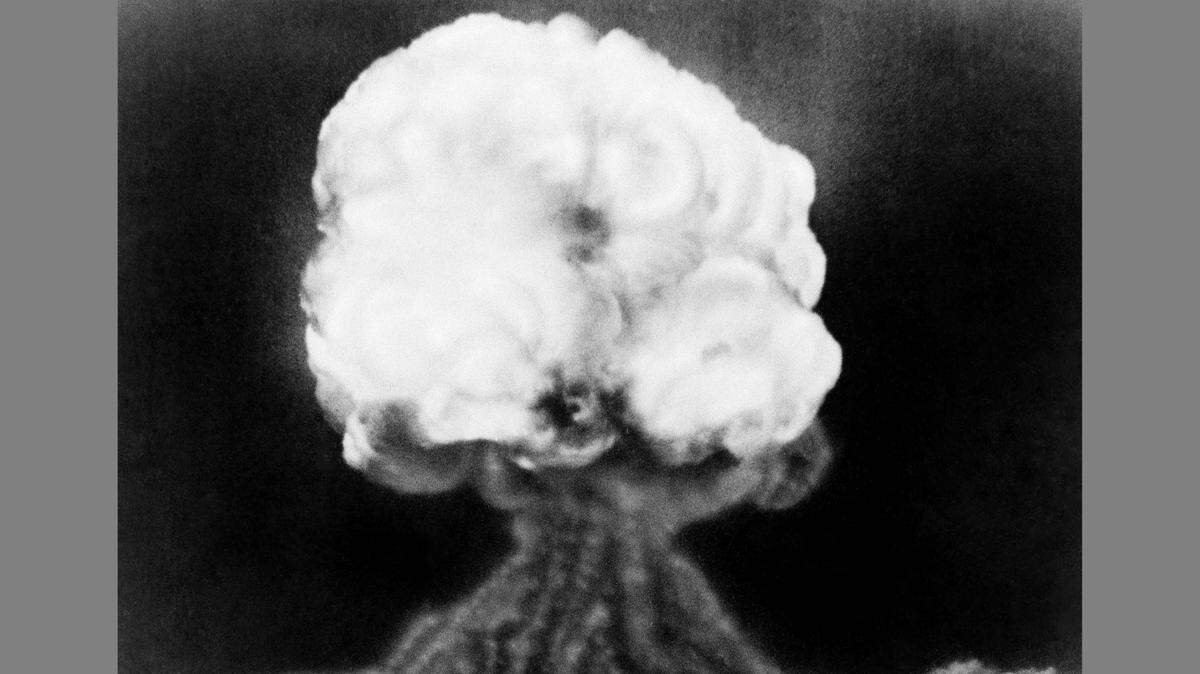
The lives of tens of thousands of young Americans like Harry Thomas were much on the mind of President Harry Truman when he approved using the two atomic bombs that forced Japan to surrender 75 years ago.
A Little River resident, Thomas was a 17-year-old recent high school graduate in Asheville, N.C., during the last days of World War II. Thomas clearly remembers the magnitude of the atomic bomb that was dropped over Hiroshima on Aug. 6, 1945 — as well as the second bomb that hit Nagasaki three days later after Japan had failed to surrender.
“It was such a terrific bomb,” Thomas said. “It took so many lives.”
The two bombs killed at least 120,000 people, and the blast in Hiroshima destroyed 90 percent of the city.
On Sept. 2, 1945, Japan formally surrendered — a handful of months after Nazi Germany had done the same to Allied forces in Europe.
After six years of brutal carnage and death, World War II had finally ended.
A necessary step
But while the conflict had ended, the American military draft was still in effect — and Harry Thomas, still only 17, voluntarily enlisted in the Navy several months after the atomic blasts.
Thomas served on the new aircraft carrier USS Midway and then on its sister ship, the USS Franklin D. Roosevelt. As an electrician, Thomas helped to maintain the power supply to the carriers’ 5-inch and 40-millimeter guns — and just a few years ago Thomas’ family joined him when he went to visit the old warship, which is now a museum in San Diego, Calif.
There is no debating that the atomic bombs were horrific weapons, but the truth is that their use in 1945 did not merely force Japan to surrender. The bombs also ended the need for a planned invasion of the Japanese mainland. It would have been a lengthy and costly military campaign that surely would have killed massive numbers of civilians in Japan and untold thousands of American, Allied and Japanese troops.
Truman said that he had no second thoughts about using the atomic bombs — and Col. Paul Tibbets Jr., the pilot of the Enola Gay aircraft that dropped the weapon over Hiroshima, later echoed Truman’s sentiments regarding his role in the bombing.
An indirect casualty was the USS Indianapolis, the cruiser that delivered the Hiroshima bomb, named Little Boy, to Tinian Island. On July 30, 1945, torpedoes from a Japanese submarine sunk the USS Indianapolis in the Philippine Sea. It was the greatest sea disaster in Navy history with only 316 survivors out of a crew of 1,200.
During a speech he delivered hours after the Hiroshima bomb was dropped, Truman linked the use of the atomic weapon to Japan’s role in starting the war in the Pacific Theater — which included its deadly attack on American forces at Pearl Harbor in Hawaii on Dec. 7, 1941.
“The force from which the sun draws its power,” Truman said, “has been loosed against those who bought war to the Far East.”
At various times revisionists in both the United States and Japan have been critical of Truman’s order to use atomic weapons.
But the realities of 1945, including the actions of Japanese military leaders, overwhelmingly support the decision — and thousands and thousands of American soldiers have gone on to live long postwar lives because that decision was made.
This story was originally published July 31, 2020 at 5:00 AM.