
`Dark money’ in SC Senate race reveals a real problem that state legislators must fix
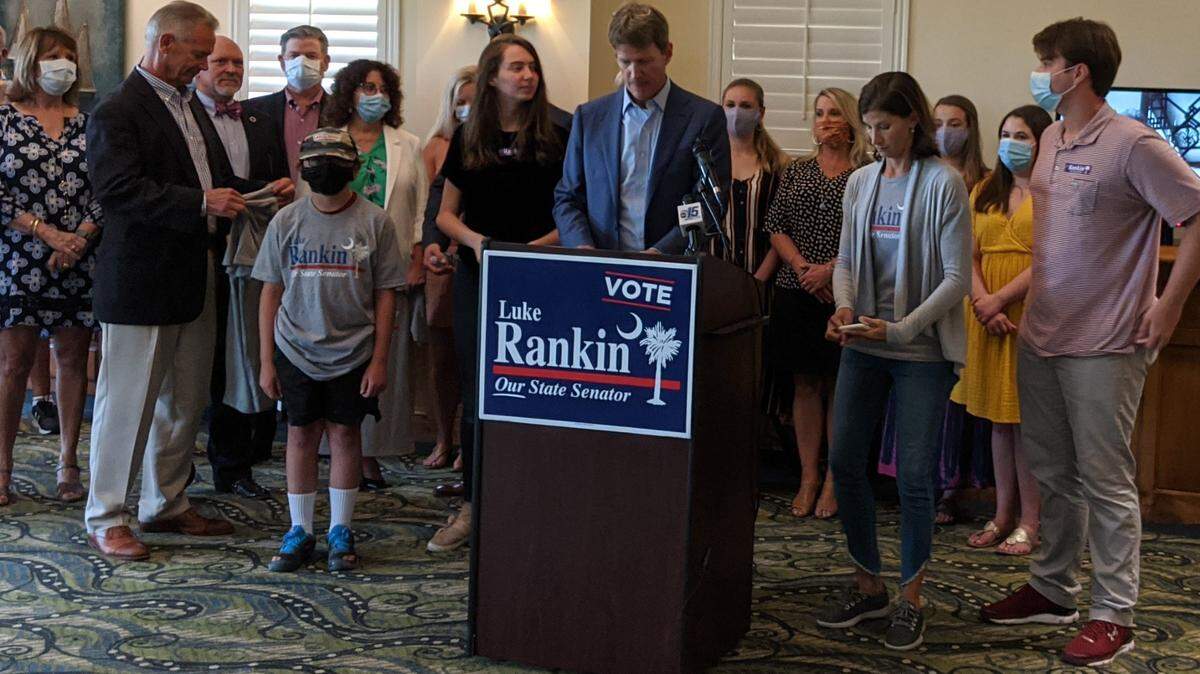
Who paid for challenger John Gallman’s bizarre advertising in the unsuccessful attempt to unseat incumbent Luke Rankin in the SC Senate District 33 campaign?
That question highlights a real problem in election campaigns.
Some legislators have tried to claim potential problems with the voting process itself, and make it more difficult for citizens to register and vote. Glitches in voting do happen, but they amount to little compared to not knowing the source of campaign financing. Yet South Carolina is one of just a handful of states that don’t require the disclosure of donors.
What difference does it make? Financial contributions can influence legislators’ actions. Campaign money from the plastic bag industry might sway enough legislators to prevent beach municipalities from passing ordinances. Local governments are creatures of the state.
In 2016, a trial lawyers group secretly and quite legally contributed more than $200,000 to help unseat the chairman of the Senate Judiciary Committee who supported caps on jury awards in lawsuits. That was Sen. Larry Martin of Pickens. The dark money from the SC Association for Justice was revealed by a state grand jury report on political consultant Robert Quinn Sr.
Rankin, who has held the District 33 Senate seat since 1993, became chairman of the Judiciary Committee, the second most powerful Senate committee after Finance. The trial lawyers desired Rankin to be chairman, so he has been both a beneficiary and a target of dark money.
In the June 9 Republican primary, Rankin had two opponents, both of whom promoted “pro-life” positions more than other issues. No candidate received 50% of the votes, so a June 23 runoff was held and Rankin won with 58% of the vote.
Prior to June 23, inaccurate and misleading ads attacked Rankin, and David Weissman of The Sun News reported that residents were “inundated by advertisements attacking the incumbent.” The ads were supposedly paid for by South Carolina Conservatives Fund LLC. The Greenville address is for the corporation of a businessman who said “somebody just pulled that address out of their hat.”
The space for the address is rented to owners of a computer store, delayed in opening by COVID-19. The corporation is not listed with the SC Secretary of State. Viewers of the ads were urged to visit a website, www.therealrankin.com, of the American Principles Project. That Arlington, Va., entity is registered with the Internal Revenue Service as two separate nonprofits, one of which is allowed to make contributions to political action committees.
But voters in District 33, which includes Myrtle Beach and parts of Carolina Forest, Forestbrook and Conway, did not allow dark money to win.
The Rankin campaign ran ads in response.
A few days before the runoff, an event well-covered by area television stations featured prominent public figures setting straight Rankin’s record. Regional solicitors, for example, spoke about Rankin’s support of law enforcement while state Sen. Stephen Goldfinch outlined Rankin’s factual Second Amendment position.
Other area political leaders who joined the event included Myrtle Beach Mayor Brenda Bethune, Conway Mayor Barbara Blain-Bellamy and state Reps. Alan Clemmons, Heather Ammons Crawford, Russell Fry and Jeff Johnson.
The dark money advertising in the District 33 race should serve as a four-alarm alert for legislators. In reality South Carolina has an open season when it comes to election campaign spending, with no limits on the amount PACs can spend and no disclosure of donors.
It’s time for that to change.
Instead of hinting at voter fraud, attempting to toughen registration and voting requirements and limiting primary voting to members of the two major political parties, the General Assembly should require disclosure of donors to election campaigns.
Voters should know what interests are paying the costs of election campaigns.