Debby threatens floods in Myrtle Beach area. The difference between flash and river floods
Tropical Storm Debby could bring life-threatening floods to the Myrtle Beach area, through flash floods, river floods and storm surges.
Where do these different kinds of floods occur? And when should you worry about them? Here’s the differences between the three.
River flooding
River flooding typically takes several days to develop and takes longer to disappear than flash floods and storm surges, said National Weather Service Meteorologist Steven Pfaff.
Over the course of a couple days, water from flash floods, runoffs and rain end up in the river. This causes the water to slowly rise and fall, often devastating houses and other structures.
In Horry County, the Little Pee Dee River at Galivants Ferry is expecting major flooding, the Waccamaw River in Conway should get moderate flooding and the Waccamaw River in Longs has minor floods predicted, according to a river briefing from the National Weather Service.
At the Little Pee Dee near Galivants Ferry and the Waccamaw near Conway, water levels could rise from 8 feet on Tuesday to 13 feet by Saturday, the National Weather Service said. The Waccamaw near Longs is expected to rise from 4.5 feet to 14 feet between Tuesday and Saturday.
Flooding in Galivants Ferry will be comparable to Hurricane Matthew in 2016 and Hurricane Florence in 2018. Around 30-40 houses could be impacted near the Little Pee Dee River
Flash Floods
During Tropical Storm Debby in the Myrtle Beach area, flash floods will be caused from a heavy amount of rainfall occurring during a short period of time, said Pfaff. Flash floods happen when rain lands on ground already saturated by water or overwhelms storm drains, leaving the water no where to go.
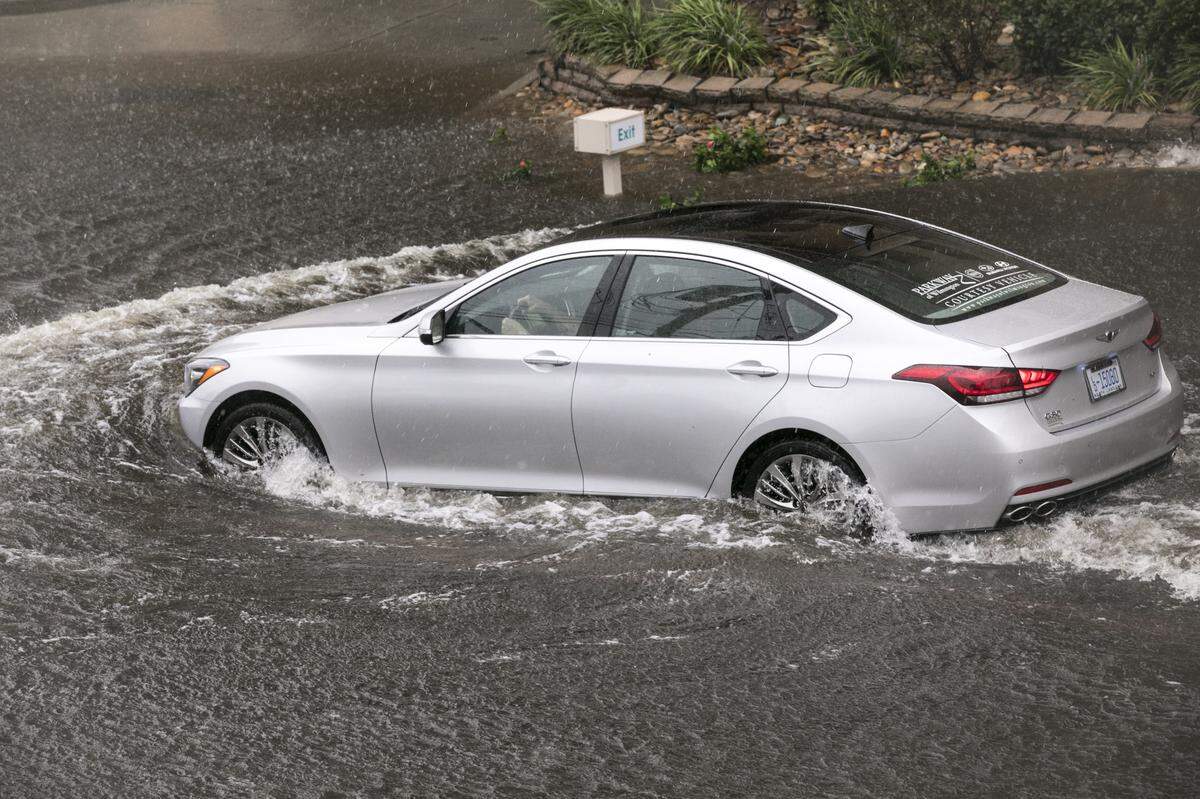
Flash floods can appear over the course of minutes or hours and have a strong current, according to the NOAA. The current and unexpected nature is what makes them so dangerous.
These types of floods often leave as quickly as they arrive. It all depends on how long the rain lasts, said National Weather Service Meteorologist Steven Pfaff.
Storm surge
Storm surge is similar to flash flooding because of how fast water takes over. Storm surge is when ocean water floods coastal areas, according to the NOAA. It usually happens around high tide and high winds can make it worse. In the Myrtle Beach area, the storm surge could reach four feet during Tropical Storm Debby.
Storm surges are especially dangerous because they come on quickly. Like flash floods, they leave relatively fast.
When it comes to all flooding, do not drive in the water, Pfaff said. People can never be sure how deep the water is and their cars can easily be taken by a current.
This story was originally published August 7, 2024 at 5:15 AM.