‘We can’t let our guard down’: Myrtle Beach ends hurricane season relatively unscathed
Whew!
Hurricane season officially ended Tuesday, and the Grand Strand escaped without direct-hit impacts for the first time in four years.
In fact, Myrtle Beach and surrounding areas were relatively unaffected after direct-hit impacts the last three years — Florence (2018), Dorian (2019) and Isaias (2020) — that brought damaging winds, dangerous flooding and other impacts to the area.
“We had some indirect effects with a couple storms that moved inland and we had some weather associated with them but fortunately no significant impacts as a result,” said Steven Pfaff, Warning Coordination Meteorologist with the National Weather Service in Wilmington, North Carolina.
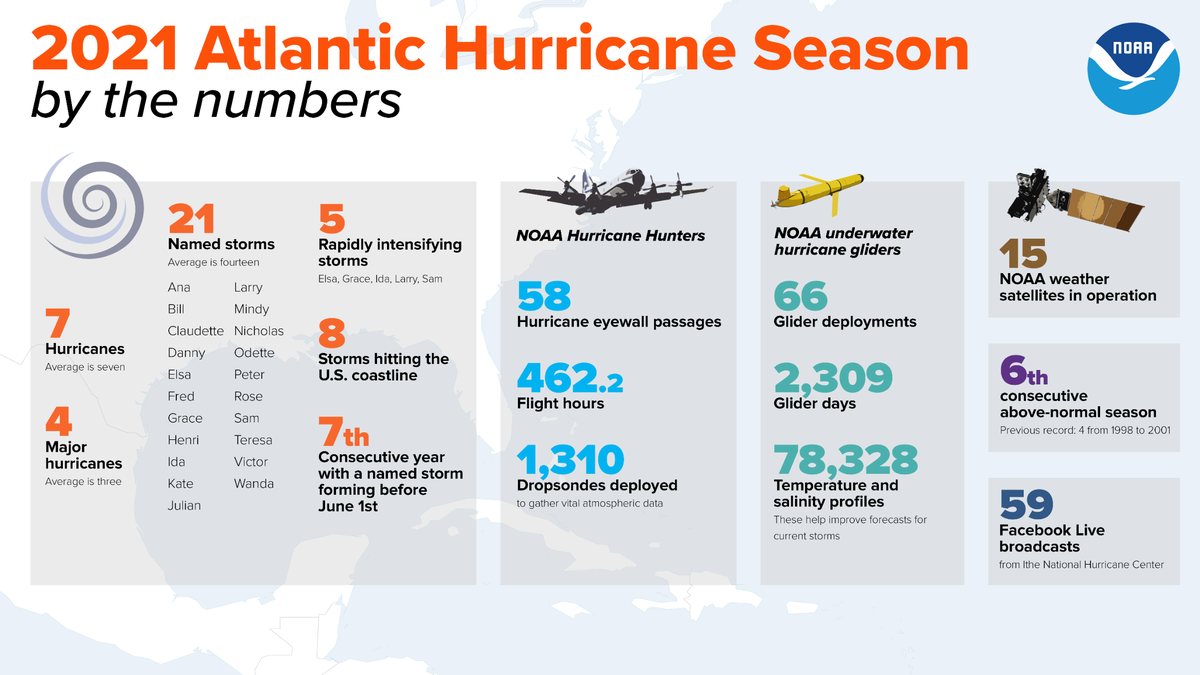
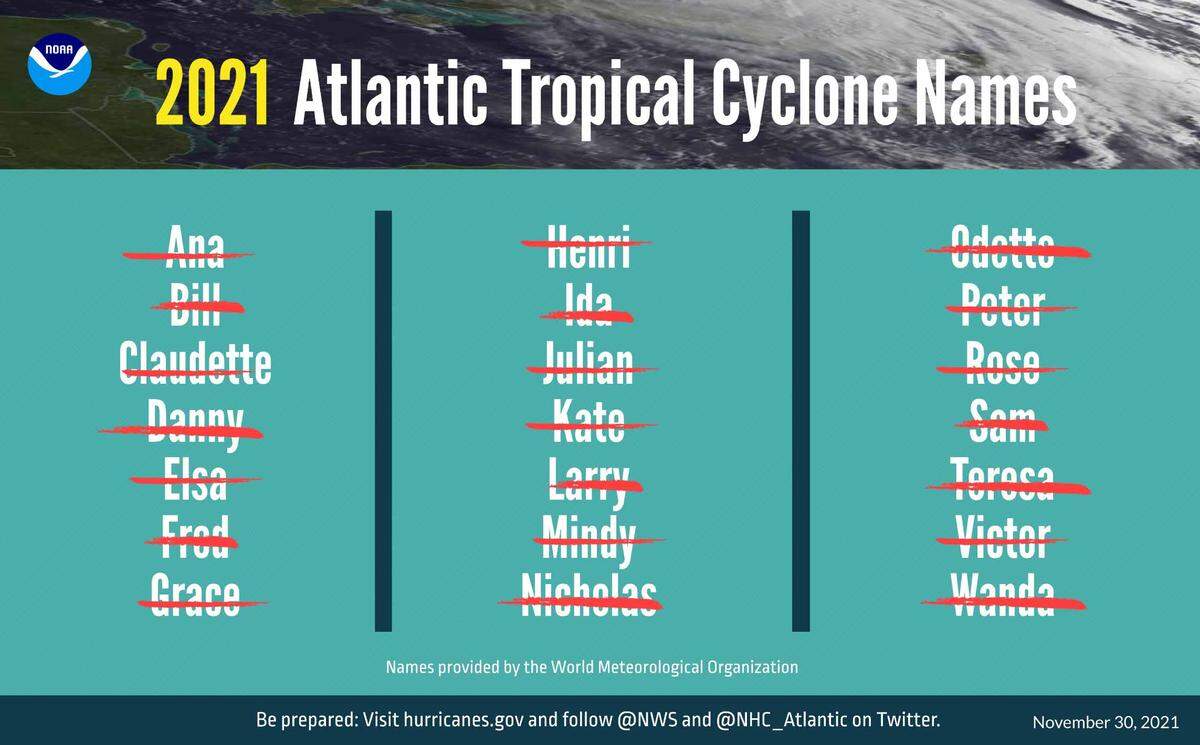
Overall, though, it was an above-normal hurricane season, as predicted by the National Oceanic and Atmospheric Association’s Climate Prediction Center, a division of the NWS. There were 21 named storms (winds of 39 mph or greater), including seven hurricanes (winds of 74 mph or greater), of which four were major hurricanes (winds of 111 mph or greater).
“There certainly were a high number of above-normal storms. There were (more than) 20 named storms. Over the last 30 years the average is about 14 named storms a year,” Pfaff said. “So it was active — above normal — but compared to the previous year it was nowhere in comparison. There were 30 named storms last year and double the number of hurricanes we had this hurricane season.”
According to NOAA, this was the third-most active storm season in terms of named storms, and it was the first time in history that back-to-back seasons had more than 21 named storms.
“Even though it was above normal, these storms that made it to hurricane status were right around normal, right around seven that we typically see,” Pfaff said. “Fortunately most of the named storms were of the weaker variety.”
Pfaff noted that the Grand Strand and Cape Fear, North Carolina areas often lines up with the Bermuda high — a high-pressure system that is located over the Atlantic Ocean — causing tropical activity during the summertime.
“The one unfortunate thing is that it’s (often) set up right for us,” Pfaff said. “We didn’t really have that pattern much this hurricane season, which is why I think we escaped a direct hit.”
Despite a relatively calm hurricane season, Pfaff encourages people to avoid letting their guard down.
“Where we live in the Atlantic hurricane basin, that principal tract often brings them towards us. Based on our history, we can’t let our guard down any year regardless of what the outlook is,” he said. “We prepare as if Hugo is coming back or Hazel is coming back just because we can’t ignore that. It’s not like we live in Alaska where hurricanes aren’t an issue. We live in an area where this is an issue for us and we have to prepare accordingly every year.”
Pfaff also noted that the Myrtle Beach area is growing rapidly and, therefore, it’s important for newcomers to be informed of what threats exist here.
“Often times the big challenge is there’s so many people moving into the area that have little experience with hurricanes, so it’s more important than ever that people do what they can to mitigate damage to their homes or if there’s evacuation people know what they’re going to do,” he said. “You can’t be scrambling a day or two before trying to figure out what to do. That’s why even though hurricane is at an end we encourage people to look at their plan throughout the year and particularly at the start of hurricane season just because of that history that we have.”
This story was originally published December 2, 2021 at 6:58 AM.