
Coyotes are highly active during the summer in SC. Here’s how to fend them off
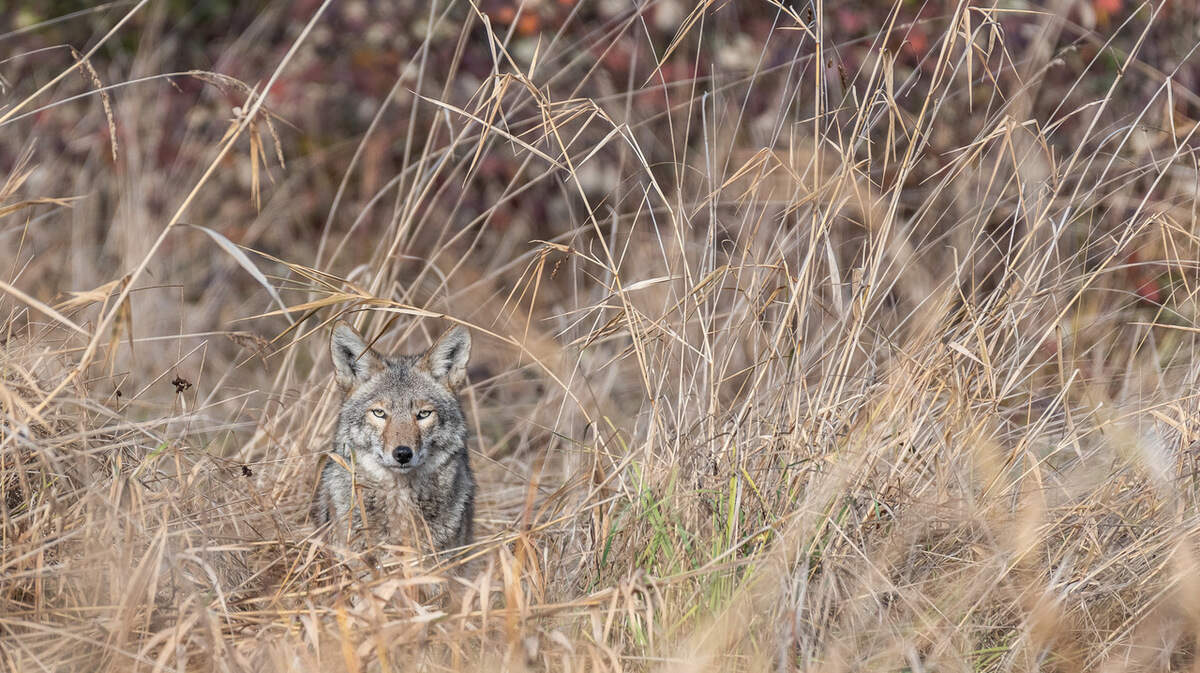
Coyotes are active year-round in South Carolina, but as the middle of summer approaches, the wild canids will become increasingly spottable.
They’re not necessarily a threat to humans; only in rare instances do they attack people for no reason, according to the SC Department of Natural Resources.
That doesn’t mean coyotes can’t be a nuisance, even if they are a part of the dog family. They are omnivores that are known to feed on livestock, waterfowl and even your beloved pets. Additionally, their bite can transfer diseases, such as rabies, mange and hepatitis.
Here’s what you should know about coyotes in SC and how to fend them off if they get close to you:
How to tell if it’s actually a coyote
At night, you might confuse a coyote with a large domestic dog, such as a husky or a German Shepard, but there are key features to spot.
Coyotes have a slim muzzle, erect pointed ears and a bushy tail. They can vary in size, color and appearance, but many coyotes’ fur is generally grizzled, grayish-brown, but varies greatly from a light tan or reddish-tan to almost black, SCDNR said. Most individuals have dark guard hairs over the back and tail.
Adult male coyotes are bigger on the East Coast, with males averaging 45 lbs. On the other side of the country, a male coyote weighs around 25 to 45 lbs.
They also have a unique, high-pitched howl that is usually heard at night. Howls are also used to announce their presence in a territory, warning any would-be trespassers.
Coyotes’ habitat
There was once a time when coyotes didn’t have any habitats in SC. Coyotes are native to the western U.S., and they did not extend past the Mississippi River until the 1940s, according to Clemson University. Only in the 1970s did the first coyotes reach the Palmetto State.
Due to their natural population growth and human involvement, they quickly spread across the state. By the 1990s, coyotes were found in every county in SC.
Coyotes can live almost anywhere where there is food. They do well near agricultural areas, but because of their high tolerance of human populations, they can be found near suburban and urban areas. They also make dens in mountainous regions, swamps and dense forests, the SCDNR said.
What to do if a coyote approaches
It’s very unlikely that a coyote would ever approach you, but you should always be prepared for the possibility of an encounter.
If a coyote approaches you, don’t be intimidated. The SCDNR says that yelling, waving arms, throwing things, blowing whistles or other hazing may temporarily frighten coyotes in residential areas. Be sure the coyote makes eye contact with you to ensure that the coyote understands humans are a threat.
To ensure that they don’t approach other humans, harass or chase coyotes until they are out of sight. This is beneficial for both humans and coyotes. To be effective, these techniques must be widespread, consistent and combined with the removal of food sources.
Here are other simple ways to help lower the possibility of coyotes coming near your home:
- Secure garbage in containers with tight-fitting lids
- Take garbage bins out in the morning of pick-up, not the night before
- Don’t feed or try to pet coyotes
- Keep bird-feeder areas clean. Feeders attract small animals coyotes eat
- Close off crawl spaces under sheds and porches. Coyotes may use these spaces to rest and raise young
This story was originally published July 1, 2026 at 6:00 AM with the headline "Coyotes are highly active during the summer in SC. Here’s how to fend them off."