
Parasitic “kissing bugs” in SC will be more active soon. What to know about the dangerous insects
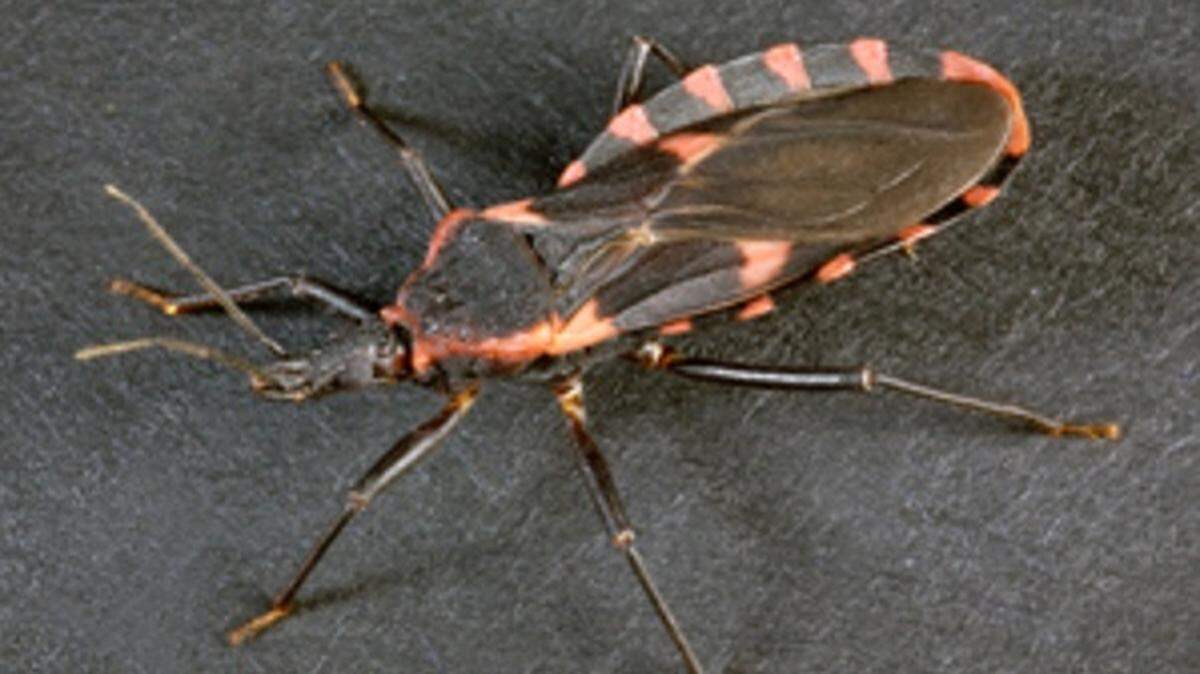
There are enough pesky little insects in South Carolina to worry about, like spiders, fleas and mosquitoes, but you may not have heard about one of the state’s most dangerous bugs that’s roaming around.
The kissing bug is a parasitic, disease-carrying insect that gets its name from the area where it bites people, right next to the mouth.
They may not look and sound as scary as some of the other bugs you’ve learned to fear, but they can do just as much damage to humans, and may leave unsuspecting victims with a life-threatening illness if left untreated.
SC is one of 32 states in the nation that have seen the blood-sucking insects, according to the CDC.
Thankfully, kissing bugs don’t frequently mess with humans, but they do start to become more active as warmer weather arrives and thrive during the summer months.
Here’s what you should know about the flying critter, as they’re more likely to be seen in the coming months:
What do kissing bugs look like?
Also known as triatomine bugs, the average kissing bug is about 1/2 to 1 inch long, or about the size of two pennies, according to a report from Texas A&M University, which has a team of scientists who have conducted in-depth research on the insect.
They’re mostly covered in brown and black colors, with orange or yellow stripes around their edges. They’re featured with six thin legs, straight, thin mouthparts and a pointed “cone nose,” and look like a more oval and elongated cockroach.
Additionally, adult kissing bugs have wings, which they use to fly from the woods towards the nearest light source, usually your home.
What disease makes them dangerous?
Kissing bugs are blood-sucking pests, just like mosquitoes, but it’s not their bite that makes them incredibly dangerous.
They are known carriers of Trypanosoma cruzi (T. cruzi), the parasite that causes Chagas disease. These bugs then spread the parasite through their feces, which can contaminate your blood as they bite you. Infection can occur if someone unknowingly scratches or rubs the bug’s feces into their bite wounds, eyes or mouth.
The Mayo Clinic states that Chagas disease is commonly found in South America, Central America and Mexico. Rarely, Chagas disease has been found in the southern United States, but it can infect anyone and can cause serious heart and digestive problems if left untreated.
Chagas disease can cause a sudden, brief illness, or it can become a long-lasting, chronic condition. Both stages can be free of symptoms. Acute symptoms can include:
- Swelling at the infection site
- Fever
- Tiredness
- Rash
- Body aches
- Eyelid swelling
- Headache
- Loss of appetite
- Nausea, diarrhea or vomiting
- Swollen glands
- A larger liver or spleen
These are chronic symptoms, which may appear 10 to 20 years after the infection starts:
- Irregular heartbeat
- Heart failure
- Sudden cardiac arrest
- Trouble swallowing
- Stomach pain or trouble passing stool, called constipation
If you believe a kissing bug has bitten you and are experiencing any of the symptoms previously mentioned, you should consult with your doctor.
Where are they found?
Kissing bugs aren’t really daytime creatures, but they come out at night to feed on animals and humans. Like most insects, they live close to the woods and other forested areas, but can also find sanctuary inside or near your house.
Here’s where they’re more likely to be found:
- Cracks and crevices
- Beneath porches
- Between rocks or under cement
- Wood, brush or rock piles
- Rodent nests or animal burrows
- Outdoor dog kennels or chicken coops
How to prevent kissing bugs from getting in your home
According to a report from Hilton Head Exterminators, the easiest and safest way to prevent most insects, including kissing bugs, from entering your house is to make sure your home is sprayed and sealed correctly by a professional pest control company.
Texas A&M University also provided the following tips to protect yourself in your home:
- Eliminate places for kissing bugs to live and hide
- Remove debris from around homes and pet housing
- Fix areas where bugs may enter your home
- Consult an insect control expert to determine which pesticide is best for your environment
If you see a kissing bug crawling around in your area, contact the Clemson Cooperative Extension, which can identify the bug and offer pest control advice.
Do not try to handle a kissing bug with your bare hands. Instead, try to capture it in a sealed container with gloves on, which you can hand over to the Clemson Cooperative Extension for research.
This story was originally published May 21, 2026 at 6:00 AM with the headline "Parasitic “kissing bugs” in SC will be more active soon. What to know about the dangerous insects."