
This deadly virus is way more prevalent in SC than US overall and it’s not measles or COVID
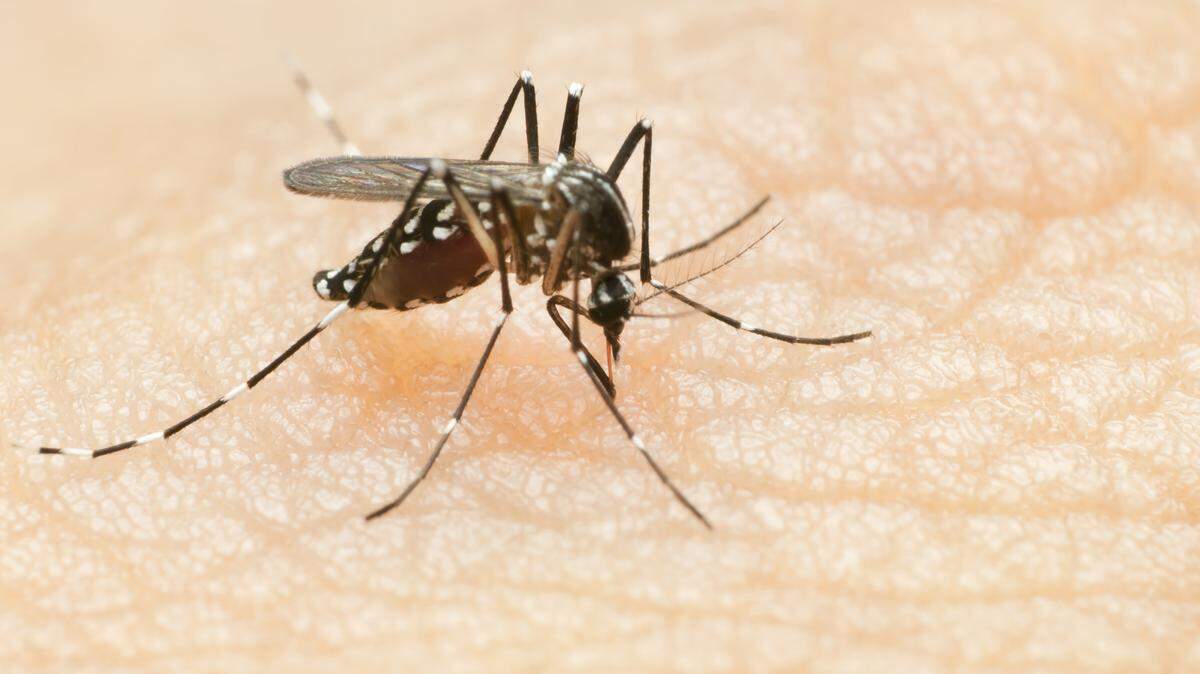
Mosquito season is just starting in South Carolina, meaning the pesky little insects are becoming more active as summer approaches.
Not only do mosquitoes try to take your blood, but they are widely considered the insect that transmits the most diseases on Earth. And a recent study from the University of South Carolina revealed that one of the most common mosquito-borne diseases in the U.S. is even more prevalent in SC.
Here’s what you should know about West Nile Virus, and how likely you are to have already been exposed to it:
What is West Nile Virus?
West Nile Virus is the leading cause of mosquito-borne illness in the U.S., according to the U.S. Centers for Disease Control and Prevention. Each year, around 2,000 people are diagnosed with the disease, but because most people are asymptomatic and don’t show any noticeable signs of illness, this number is an underestimate.
More than 1,300 people each year get infected and experience an illness that attacks the central nervous system, and over 130 people die.
Thankfully, the virus is not contagious and cannot be spread through casual contact like touching, kissing or sharing space with an infected person.
What does the study show?
As mosquito season begins, new USC research suggests West Nile Virus exposure in South Carolina is far more widespread than previously understood.
The study from the Arnold School of Public Health found one in five sampled residents in central South Carolina had West Nile Virus antibodies, which is more than 10 times the national average of 2%.
While SC might be a hot spot for West Nile Virus, that doesn’t mean cases are inherently more deadly. The team that created this study was led by Dr. Melissa Nolan, the director of USC’s Institute for Infectious Disease Translational Research.
The findings also showed there was a higher concentration in older urban, tree-dense neighborhoods with numerous domestic water features, such as fish ponds and bird baths.
In 2022, a Midlands resident died from West Nile Virus, which prompted a deeper investigation into the disease.
When should you see a doctor?
If you somehow get infected with West Nile Virus, you likely won’t even know it because most people do not develop any symptoms.
While 80 percent of infections are asymptomatic, severe cases can lead to neurological disease, paralysis and long-term health complications.
Some people develop mild illness with flu-like symptoms, such as fever with headache or body aches, joint pain, vomiting, diarrhea or rash. Most people with mild illness recover completely, but fatigue and weakness can last for weeks or months, the CDC said.
Symptoms usually start two to six days after being bitten by an infected mosquito. It may take longer for symptoms to start, especially for people with a weakened immune system.
You should absolutely see a doctor if you experience these symptoms:
- High fever
- Neck stiffness
- Muscle weakness
- Confusion
- Tremors
Recovery from severe illness can take several weeks or months. Some effects may be permanent.
This story was originally published May 19, 2026 at 6:00 AM with the headline "This deadly virus is way more prevalent in SC than US overall and it’s not measles or COVID."