
Tick season is in full swing in SC. Here’s how to protect yourself and your furry friends
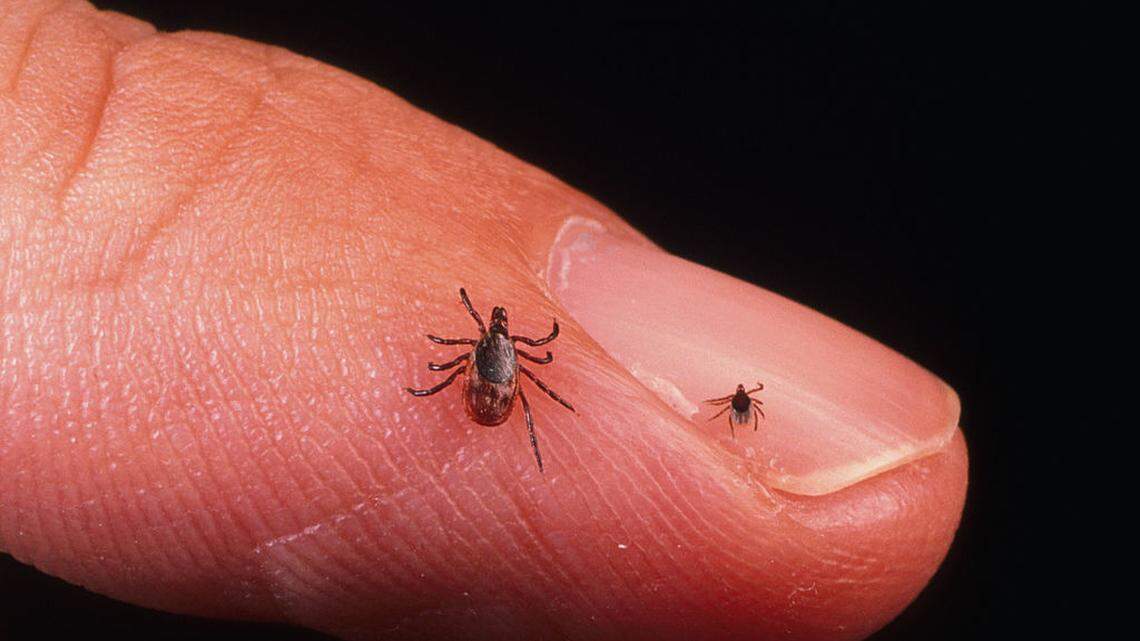
As far as popularity goes, ticks are probably one of people’s least favorite living creatures. And unfortunately, it’s that time of the year again when they become more energetic.
Tick season is technically year-round in SC, due to the state’s mild climate, but peak activity occurs during warmer months, so that means the little pests will be more annoying as summer approaches, according to a report from Clemson University.
The external parasites must attach and take a blood meal from animal hosts to grow and develop into the next life stage or to produce offspring. They're generally found near the ground in forests and in areas with brush or tall grass and weeds. Not only are they resilient and hard to kill, but ticks can also be dangerous for you and your pets. Here’s what else you should know about the parasite.
Tick species in SC and their diseases
There are six ticks often found by people in SC, and they share many different diseases that can affect both humans and pets, according to the South Carolina Department of Public Health. These are some of the diseases:
- Ehrlichiosis: A disease caused by a tick’s bacteria and is treatable with medication. People with ehrlichiosis will often have fever, chills, headache, muscle aches and sometimes an upset stomach
- Heartland virus: A virus spread by the bite of an infected tick. It can cause severe illness, and there is no treatment. Symptoms can include fever, fatigue, decreased appetite, headache, nausea, diarrhea and muscle or joint pain
- Alpha-gal Syndrome: A serious, potentially life-threatening allergy to alpha-gal that can develop after a tick bite. People with AGS can have an allergic reaction after eating red meat or being exposed to products containing alpha-gal
- Southern Tick-Associated Rash Illness: A Lyme Disease-like rash caused by the lone star tick and is rarely fatal. It’s characterized by an expanding rash, mild symptoms such as fever, malaise or headache, occurring in spring or summer, and can be treated with antibiotics
- Spotted fever group rickettsiosis: A group of non-life-threatening diseases caused by closely related bacteria. Symptoms can include a dark scab (eschar) at the site of the tick or mite bite, fever, headache, rash and muscle aches
- Tularemia: A potentially serious illness, but most infections can be treated with antibiotics. Symptoms vary.
- Tick paralysis: A very rare, acute paralysis that occurs in children. Symptoms start as leg weakness/numbness, progressing up the body, potentially causing fatal respiratory failure. Treatment is simply tick removal, leading to rapid recovery
- Rocky Mountain Spotted Fever: A severe disease that can be life-threatening if not immediately treated. Symptoms include fever, headache, rash, nausea, stomach pain, muscle pain and lack of appetite
While most tick bites are harmless, it’s important to be aware of the diseases they can cause. These are the six most common ticks found in SC and their associated diseases:
Lone Star tick: Ehrlichiosis, Heartland virus, red-meat allergy, Southern Tick-Associated Rash Illness (STARI), spotted fever group rickettsiosis and tularemia
Gulf Coast Tick: Ehrlichiosis, spotted fever rickettsiosis and tick paralysis
American Dog Tick: Ehrlichiosis, Rocky Mountain spotted fever (RMSF), tick paralysis and tularemia
Blacklegged Tick: Anaplasmosis, Babesiosis, Lyme disease, Powassan virus disease and red-meat allergy
Brown Dog Tick: Ehrlichiosis, Rocky Mountain spotted fever and tularemia
Asian Longhorned Tick: Rocky Mountain Spotted Fever, Heartland virus disease, Powassan virus disease and cattle theileriosis
Tick bite prevention
Obviously, the best way to avoid the diseases is to prevent tick bites. The SCDPH has the following tips to protect yourself and your pets from the nasty little parasites:
- Use insect repellents containing DEET, picaridin, IR3535, oil of lemon eucalyptus, para-menthane-diol, or 2-undecanone
- Wear protective clothing tucked in around the ankles and waist
- Shower with soap and shampoo soon after being outdoors to reduce the possibility of tick attachment
- Keep weeds and tall grass cut and avoid tick-infested places such as grassy and marshy woodland areas when possible
- Stay in the center of paths when hiking or walking through woods
- Check for ticks daily, especially under the arms, in and around the ears, inside the belly button, behind the knees, between the legs, around the waist and on the hairline and scalp
- Check pets for ticks daily. Treat dogs and cats for ticks as recommended by a veterinarian
To remove a tick, never squeeze it or use heat, solvents, nail polish, petroleum jelly or other materials to make the tick detach from the skin, because that can increase disease transmission.
Use tweezers to remove attached ticks by grasping the tick as close to the skin’s surface as possible, and pull them off upwards. After removal, clean the bite area with soap and water and apply an antiseptic such as iodine, hydrogen peroxide or rubbing alcohol.
This story was originally published April 22, 2026 at 6:00 AM with the headline "Tick season is in full swing in SC. Here’s how to protect yourself and your furry friends."