Snow has stopped in Columbia but freezing cold isn’t going anywhere for days
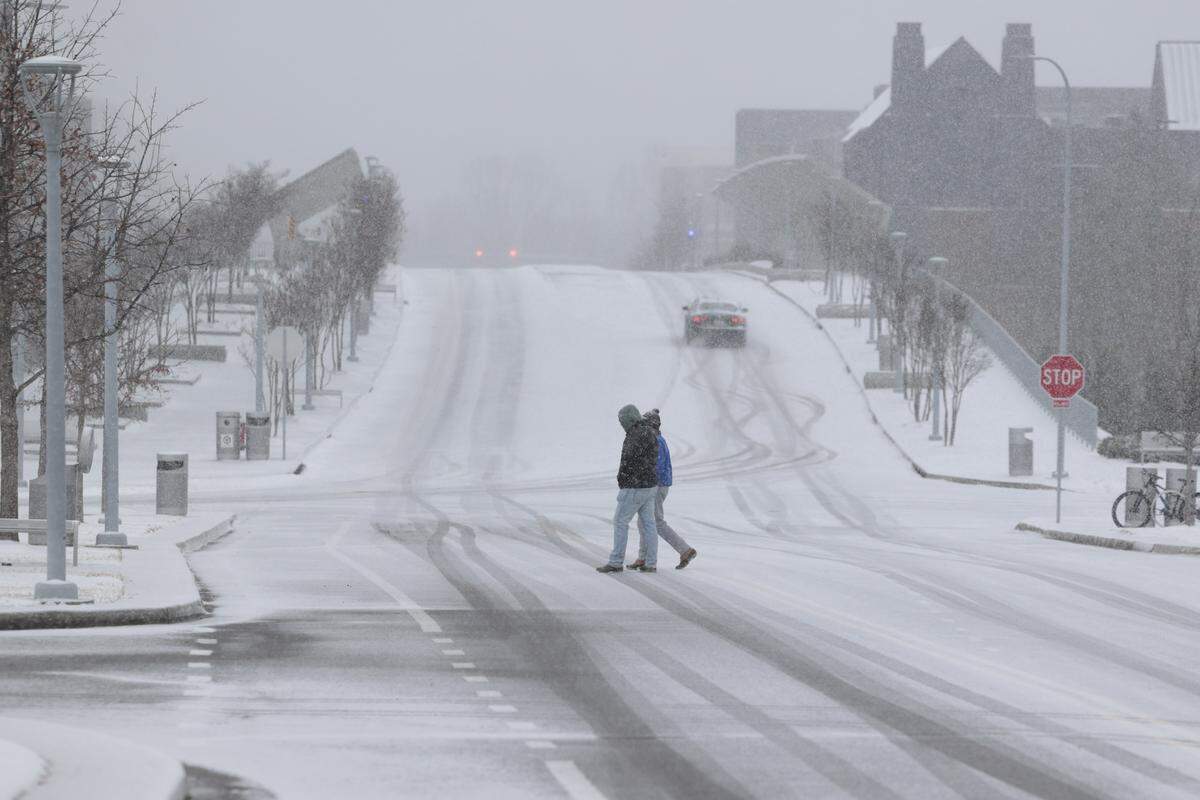
The Columbia area’s first significant snowfall of the year has stopped, but there’s more time to enjoy the white stuff that’s covering much of South Carolina’s Midlands region.
That’s because temperatures on Sunday are expected to remain a touch below freezing for much of the day, and will be followed by another overnight deep freeze, according to the National Weather Service. That cold will prevent most of the snow that fell Saturday from melting, the National Weather Service said in a Sunday morning winter weather briefing.
“Melting will be minimal” the National Weather Service said in the briefing.
While that could lead to more fun in the snow, a rarity in the Columbia area, it also has some dangerous potential, National Weather Service Meteorologist Chris Landolfi told The State Sunday.
There is lingering snow and patches of ice on the roads, Landolfi said. Driving conditions will remain hazardous Sunday. Drivers making the Monday morning commute should also expect treacherous and challenging roads because any snow that melts Sunday could refreeze during the bitter cold that’s forecast on Sunday night, potentially leaving black ice on the ground, according to Landolfi.
It will likely be worse in the northern portion of the Midlands, where more snowfall was recorded, the National Weather Service said.
“Be prepared for it to take longer, drive slower and watch out for ice on the roads,” Landolfi said.
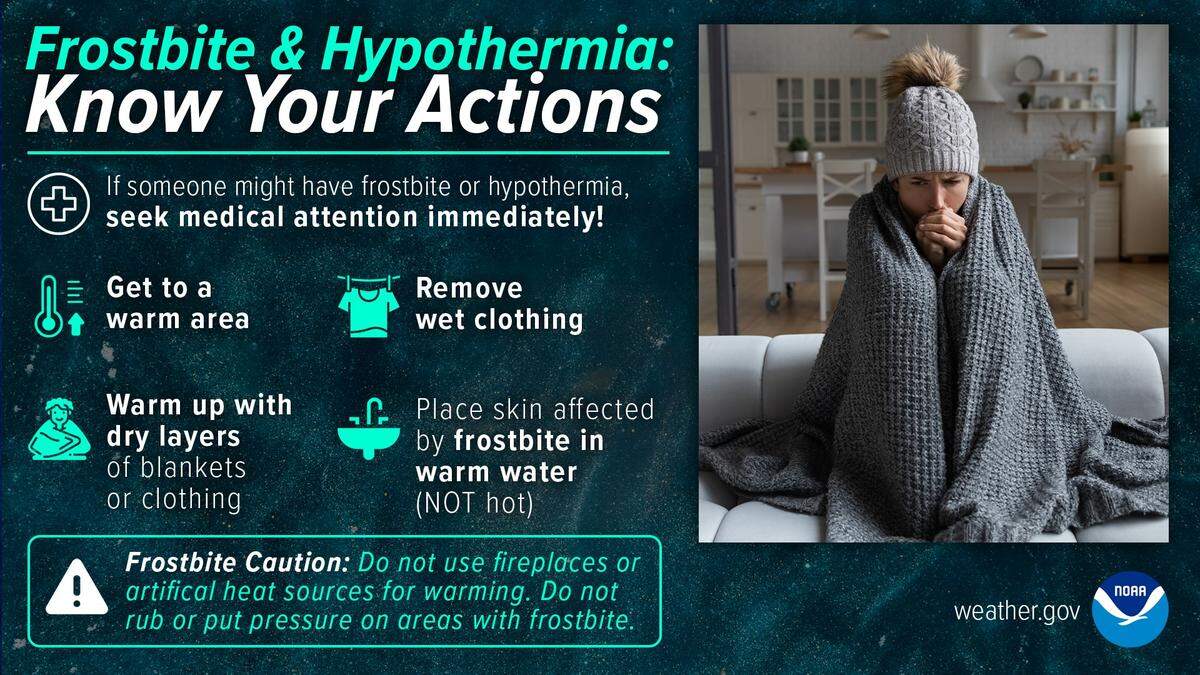
The freezing temperatures also pose a threat. Frostbite and hypothermia will occur if unprotected skin is exposed to these temperatures, the National Weather Service said.
As of noon, temperatures in Columbia hovered around 25 degrees, and it’s not expected to rise above 34 on area thermometers, the forecast shows. Overnight Sunday, the temperature could drop as low as 11 degrees, according to the forecast.
An extreme cold warning was in effect until 10 a.m., and a cold weather advisory was issued for Sunday night. The cold weather advisory will go into effect at 6 p.m., and is scheduled to run through 9 a.m. Monday for all of the Midlands, according to the National Weather Service.
There will be a slight warmup on Monday, as clear and sunny conditions could reach a high of 39 degrees, the forecast shows. But when the sun drops again, so to will temperatures as a low of 23 degrees is possible Monday night.
That means that much of the several inches of snow that fell across the Midlands could make it to Tuesday before melting in a gradual midweek warmup, according to Landolfi.
“Most snow will be gone Tuesday,” Landolfi said.
Temperatures are forecast to be in the 50s Tuesday and Wednesday, and likely rain during that stretch could also wipe away any remaining packs of snow.
The forecast shows that conditions will be a little colder later in the week, but it currently doesn’t appear that there will the chance of a winter storm in the Midlands for the third week in a row.
As low as the temperature might fall Sunday night, it likely won’t feel quite as frigid as the overnight Saturday conditions. Steady winds that were as powerful as 13 mph, with even faster moving gusts, caused the wind chill to drop into single digits, Landolfi said. Gusty winds brought the chills to near 0 early Sunday morning, according to the briefing.
Winds will be calmer Sunday night, and although temperatures might be lower than those on Saturday night, conditions will feel closer to the actual temperature, the National Weather Service said.
“It’s still very cold,” Landolfi said. “It will be very cold again tonight.”
Beware the cold
That extreme cold is very dangerous.
One danger is hypothermia, which can develop indoors when homes are inadequately heated, especially for older adults and babies, the South Carolina EMS Association said. Early signs may include uncontrollable shivering, confusion, extreme fatigue, or slurred speech. Without prompt care, hypothermia can progress rapidly and affect the heart, lungs, and brain.
Cold temperatures also place added strain on the heart, which can increase the risk of a cardiac emergency, including heart attack, according to the South Carolina EMS Association. Breathing cold, dry air can also worsen lung conditions such as asthma and COPD.
Frostbite is also a threat from prolonged exposure to the cold, according to the National Weather Service. Anyone without adequate shelter or clothing is at highest risk of injuries that are potentially fatal.
Emergency shelters have opened across South Carolina.
“Wear appropriate clothing,” the National Weather Service said. “Dress in layers including a hat, face mask, and gloves if you must go outside.”
People are the only things that require protective covering.
The freezing conditions also present a threat to unprotected outdoor plumbing, according to meteorologists. To prevent water pipes that are not properly insulated from freezing then bursting, wrap or drain them, or allow them to drip slowly, the National Weather Service said.
Any pets also should be brought indoors, according to the South Carolina Emergency Management Division.
BEHIND THE STORY
MOREThis is a breaking news story
In a breaking news situation, facts can be unclear and the situation may still be developing. The State is trying to get important information to the public as quickly and accurately as possible. This story will be updated as more information becomes available, and some information in this story may change as the facts become clearer. Refresh this page later for more updated information.
This story was originally published February 1, 2026 at 9:54 AM with the headline "Snow has stopped in Columbia but freezing cold isn’t going anywhere for days."