Can SC Senator sue legislature? Here’s what the state Supreme Court says

As part of a ruling that struck down a legislator pay raise, the state Supreme Court included one note: State Sen. Wes Climer couldn’t be a plaintiff in the case.
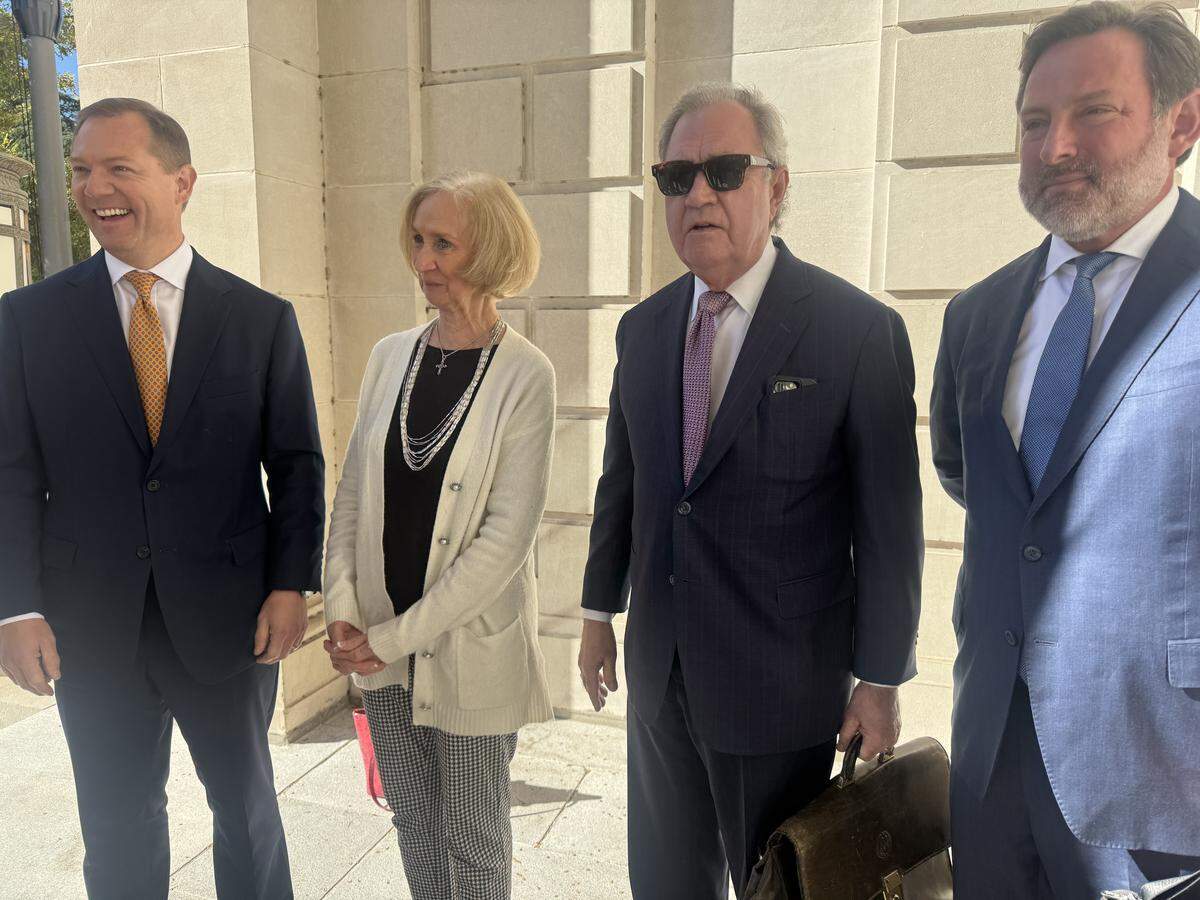
Climer, a York County Republican who is running for Congress, joined Carol Herring in a lawsuit to stop the $18,000 pay raise lawmakers gave themselves when they passed the budget earlier this year.
But Climer, as a sitting state senator, did not have standing in the case, the court wrote in its ruling. Standing is a person who has a legitimate reason or interest to bring a lawsuit.
The court called including Climer as a plaintiff improper.
“We strongly discourage disgruntled members of the General Assembly from using this Court as a forum in which to vent their grievances with the body they serve,” the court wrote in its unanimous decision striking down the pay raise.
Lawyers defending the pay raise questioned whether Climer had standing to sue because he is member of the General Assembly, as in essence the state senator was suing himself.
The court’s decision Wednesday also wiped out the $1,000 a month lawmakers had been receiving as in-district compensation since 1995, essentially giving lawmakers a $12,000 pay cut.
The ruling on Climer’s standing, however, does not affect the overall case. Herring, a retired York County educator, joined the case and had standing, the court said.
This story was originally published November 12, 2025 at 11:59 AM with the headline "Can SC Senator sue legislature? Here’s what the state Supreme Court says."