Tropical storm forms and moves north. Here’s what’s forecast for SC’s Midlands
A tropical depression continued to move north toward the Southeastern U.S. after it became Tropical Storm Imelda, and the impact it could have on the Columbia area of South Carolina is becoming clearer.
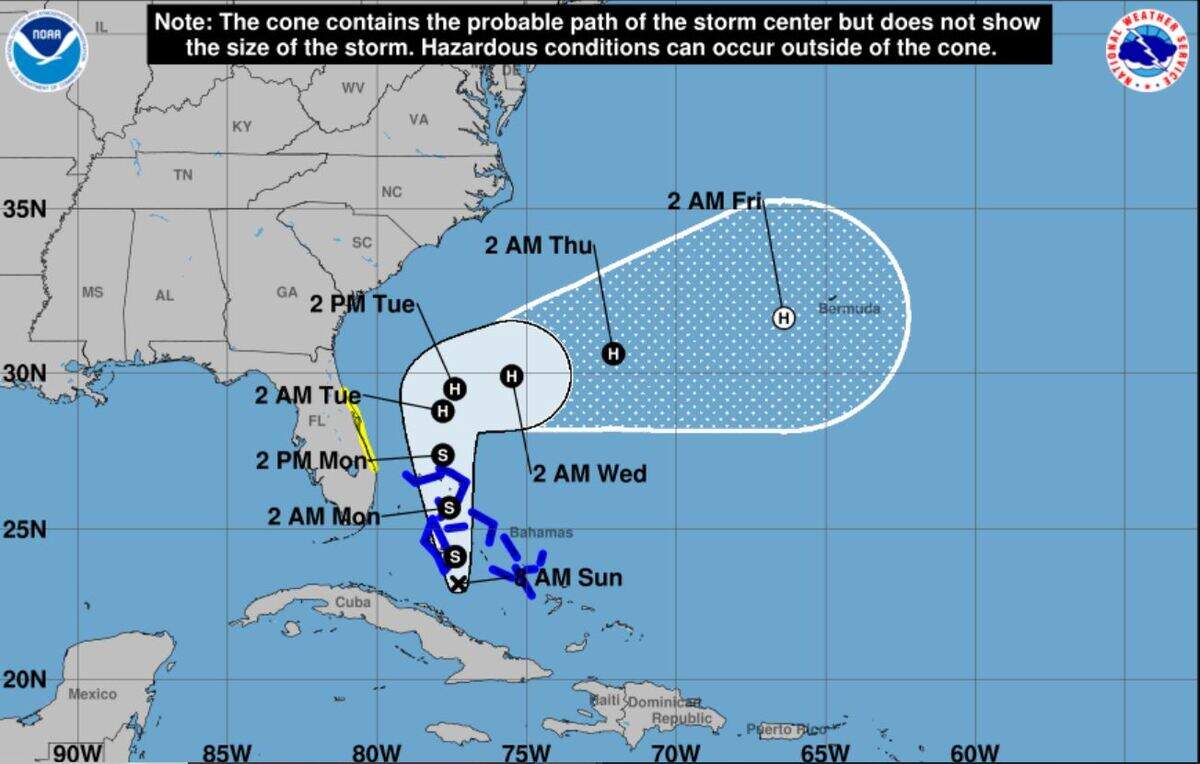
The Midlands are expected to avoid the worst severe weather effects of the strengthening storm, which is forecast to turn east into the Atlantic Ocean after thundering toward the coast, the National Weather Service said in a Sunday morning briefing.
But that does not mean that the Columbia area won’t be affected by the tropical storm, which could potentially form into Hurricane Imelda. The National Hurricane Center said it’s forecast to become a hurricane by Tuesday.
Heavy rainfall is the primary threat to the Midlands, National Weather Service meteorologists said in the briefing.
Rain from the tropical storm is expected to begin Monday and continue through Tuesday, according to the briefing. While anywhere from 6 inches to a foot of rain could fall along the South Carolina coast, a lesser but still significant amount of rain could be recorded in the Columbia area, the National Weather Service said.
Changes in the forecast track could result in changes to rainfall totals, the National Hurricane Center said.
The rain in the Midlands could lead to isolated flash flooding, according to the briefing.
There’s a minor chance of river flooding, but recent dry conditions have lessened that likelihood, the National Weather Service said. Any flooding could persist even after the rains let up on Wednesday.
There’s also low chances of tropical storm force winds affecting the Midlands, according to the National Weather Service. Although limited, the possibility of those winds and tornadoes is not zero, the National Weather Service said.
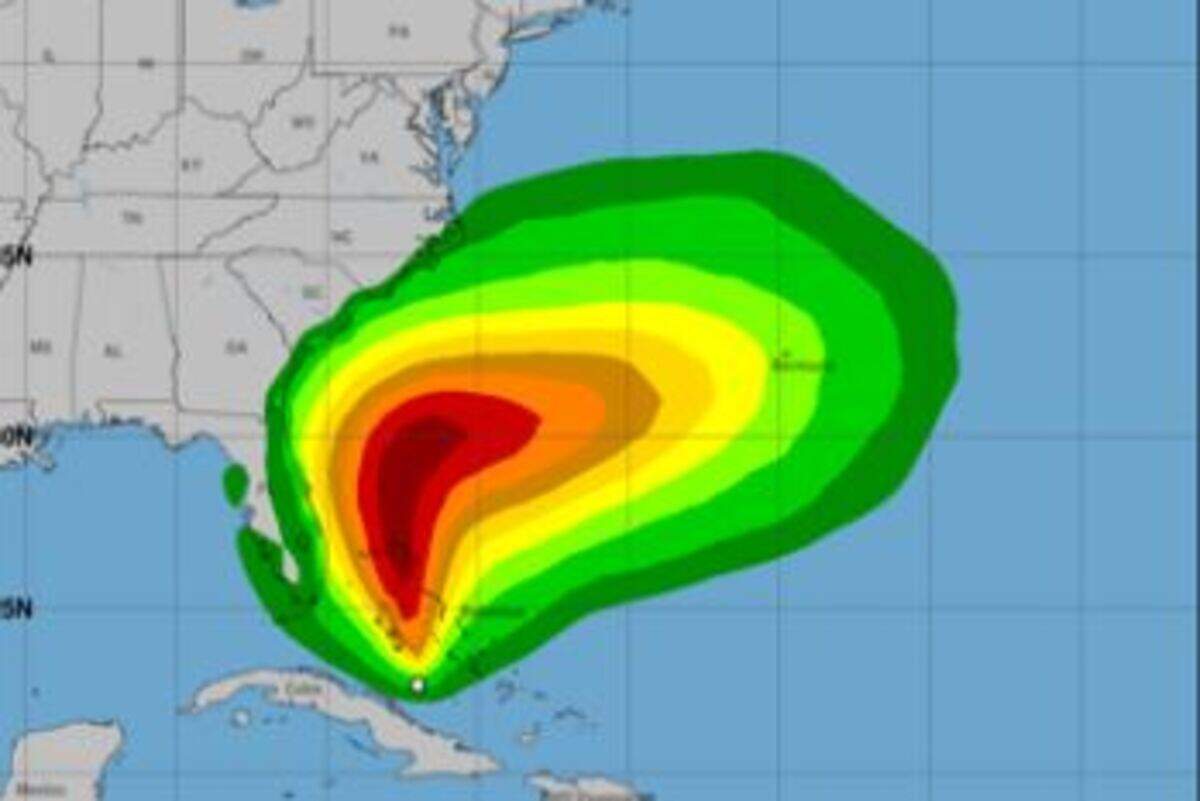
No warnings, watches or advisories have been issued for the Midlands, but that could change as the severe weather draws closer.
As the tropical storm continues to move east into the ocean rain is expected to stop in the Columbia area. The current forecast predicts a dry week beginning Wednesday and continuing into next weekend, as high temperatures will not exceed the mid 70s, according to the National Weather Service.
Although meteorologists have great confidence in the most recent forecast, it is still subject to change. Should the storm’s track turn more inland the impacts would be more severe.
“Residents should closely monitor the latest forecast updates and ensure that they have their hurricane plan in place,” the National Hurricane Center said.
Gov. Henry McMaster, who on Friday declared a state of emergency in preparation of the storm, cautioned the forecast track could change as the storm approaches South Carolina.
A year ago, Hurricane Helene ravaged the southeast as it blasted through South Carolina on its path of destruction. In September 2024, more than 40 people died in South Carolina as a result of Helene, which caused widespread flooding, damaged roads and homes.
“It did not go where it was expected to go,” McMaster said about Hurricane Helene.
As of 2 p.m. Sunday, the storm was about 95 miles west of the Bahamas as it moved northwest at 7 mph, according to the National Hurricane Center. That’s about 700 miles southeast of the South Carolina coast.
It had maximum sustained winds of 40 mph, the National Hurricane Center said.
This storm continues a busy week in the Atlantic, which has seen both Hurricane Humberto and Hurricane Gabrielle rapidly move through the ocean.
BEHIND THE STORY
MOREThis is a breaking news story
In a breaking news situation, facts can be unclear and the situation may still be developing. The State is trying to get important information to the public as quickly and accurately as possible. This story will be updated as more information becomes available, and some information in this story may change as the facts become clearer. Refresh this page later for more updated information.
This story was originally published September 28, 2025 at 9:48 AM with the headline "Tropical storm forms and moves north. Here’s what’s forecast for SC’s Midlands."