Disease-carrying ‘kissing bugs’ are in SC. Here’s what to know about these dangerous insects
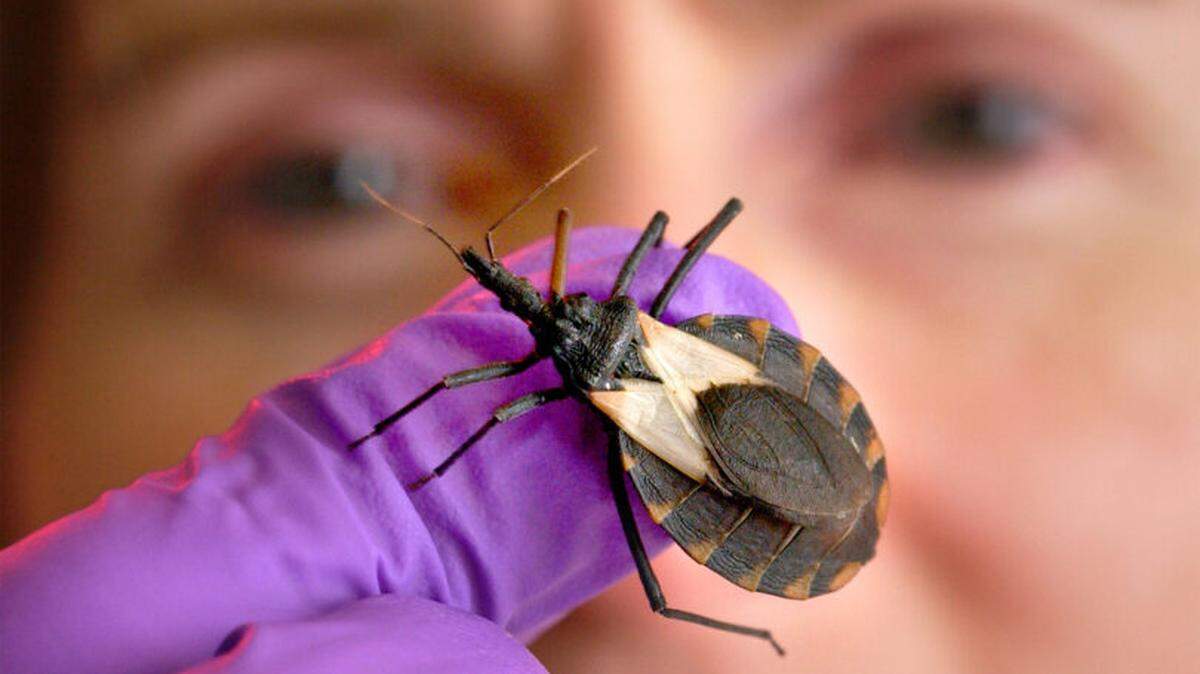
South Carolina is home to its fair share of dangerous insects. From spiders, wasps and rash-causing caterpillars, there are a handful of bugs to look out for.
But the Centers for Disease Control and Prevention is calling for residents in the Palmetto State to keep an eye out for another creature, the kissing bug.
While its name may sound charming and harmless, these critters, otherwise known as the triatomine bug, are known to spread a dangerous parasitic infection called Chagas disease, which can be deadly if left untreated.
The CDC states these insects occur naturally in the southern half of the United States, with South Carolina being one of the 32 states where kissing bugs have been found.
While kissing bugs are not a new phenomenon, the CDC states this report was issued as frequent encounters with humans in homes, bites, allergic reactions and an increasing frequency of canine diagnoses have led to growing public awareness.
What are kissing bugs?
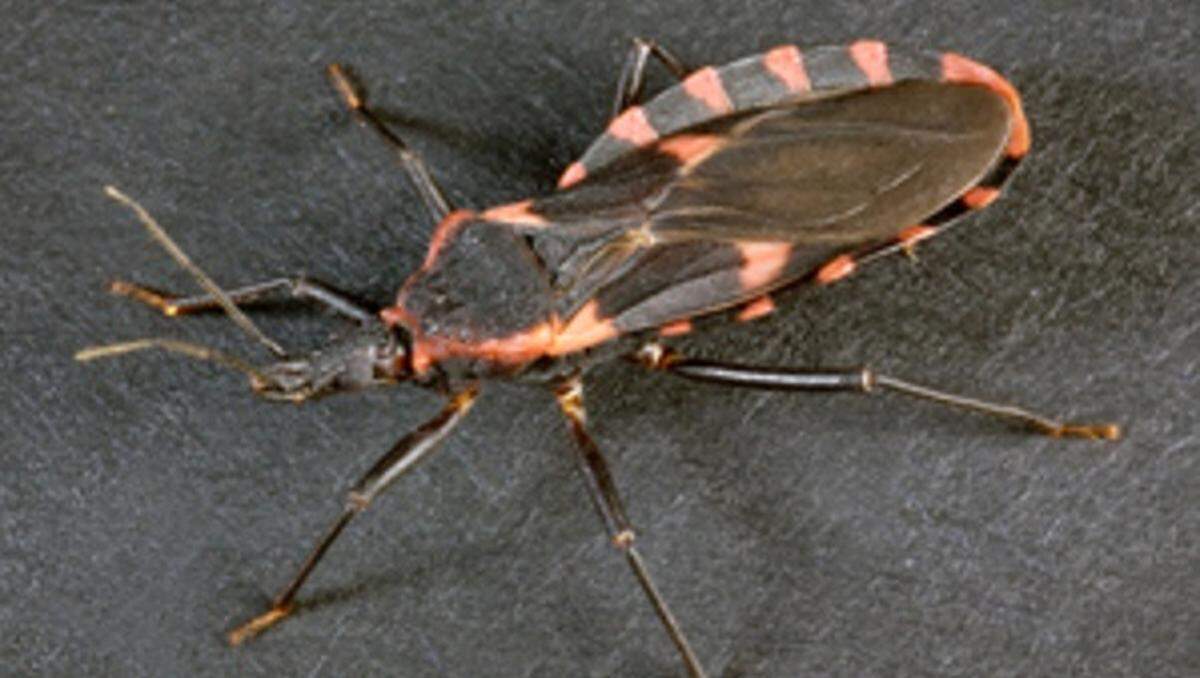
Kissing bugs, or triatomine bugs, are insects that feed on the blood of animals and people who are known carriers of Trypanosoma cruzi (T. cruzi), the parasite that causes Chagas disease. These bugs then spread the parasite through their feces.
They are most active at night and typically only come out to bite and feed.
While they live both indoors and outdoors, they are more likely to be found in:
- Cracks and crevices
- Beneath porches
- Between rocks or under cement
- Wood, brush or rock piles
- Rodent nests or animal burrows
- Outdoor dog kennels or chicken coops
What is Chagas disease?
Chagas disease is a parasitic infection caused by T. cruzi, which is primarily transmitted through the bite of kissing bugs. The disease is most common in South America, Central America and Mexico.
Wildlife, captive animals and companion animals, especially dogs, are commonly infected with T. cruzi parasites and often serve as the biting culprit for kissing bugs.
Globally, around 8 million people are estimated to have Chagas disease, including about 280,000 in the U.S.
Chagas disease is considered endemic to 21 countries, excluding the U.S.
The CDC is now seeking to classify Chagas disease as endemic in the U.S., noting confirmed local transmission in eight states so far, including California, Arizona, Texas, Tennessee, Louisiana, Missouri, Mississippi and Arkansas.
There are 11 triatomine species found in the U.S., with nine of those species naturally infected with T. cruzi, the CDC states.
How does it spread?
Chagas disease spreads when a kissing bug feeds on the blood of an infected animal or person and picks up the T. cruzi parasite.
After feeding, the bug passes the parasite in its feces.
Infection often occurs if these droppings get into the body through a cut in the skin, or near the eyes or mouth. The parasite can also spread if a person unknowingly scratches or rubs bug feces into a bite wound, cut, eyes or mouth without realizing it, which can cause infection.
In rarer cases, the CDC states Chagas disease can also spread by:
- Blood transfusions
- Organ transplants
- Consumption of contaminated food
- Accidental exposure in laboratories
- From pregnant mothers to their babies
There is currently no vaccines or medication to prevent Chagas disease.
Chagas disease does not spread from person to person like the cold or the flu does, nor does it spread through contact with people or animals who are infected.
Have there been any cases in SC?
According to the National Library of Medicine, the first reported case of a kissing bug bite in South Carolina occurred in June 2019 in Dorchester County. A 51-year-old woman was bitten four times on the arm while visiting relatives. No infection of T. cruzi was detected among the occupants of the home or in the bug.
The NLM states that triatomine bugs have been documented in the state since the 1850s, but that this was the first published case report of a bite in the Palmetto State.
What are the symptoms?
The CDC says Chagas disease has two stages: acute and chronic.
The acute stage happens shortly after infection and can go unnoticed due to its mild symptoms. In the chronic stage, the disease occurs over a long period of time, with the potential to last a lifetime, but only 20-30% of infected individuals develop serious health complications.
Here are some signs to look out for in each stage, according to the CDC:
Acute phase symptoms:
- Fever
- Fatigue
- Body aches
- Headache
- Rash
- Loss of appetite
- Vomiting or diarrhea
- Swelling of the eyelid
Chronic phase symptoms:
- Irregular heartbeat or heart failure
- Enlarged heart
- Sudden death
- Digestive issues (trouble swallowing or severe constipation)
- Enlarged esophagus or colon
If you believe you’ve been bitten by a kissing bug, are experiencing symptoms of Chagas disease or have recently traveled to an area where Chagas disease is widespread, the CDC states to consult a healthcare provider, as Chagas disease infection can only be determined through a blood test.
Symptoms in dogs
Dogs can also become infected and experience acute and chronic phases of Chagas disease. To determine if your pet is infected, the American Kennel Club states that a diagnosis may be made by a veterinarian using a blood test to detect antibodies for the parasite.
Symptoms to look out for in your furry friend may include:
Acute phase symptoms:
- Lethargy
- Lack of appetite
- Fever
- Pale gums and other mucous membranes
- Enlarged lymph nodes
- Irregular heart rhythm
- Build-up of fluid in the abdomen
Chronic phase symptoms:
- Exercise intolerance
- Coughing or breathing difficulties
- Build-up of fluid in the abdomen
- Fainting
- Sudden death
The AKC notes that if an infection is present in your dog, the parasite isn’t passed from your dog to you.
How to protect yourself
For daily protection, wearing long-sleeved clothing and applying bug spray on exposed skin is recommended by the CDC.
If you’re traveling to areas where Chagas disease is common, the CDC also recommends the following precautions:
- Stay in well-built, air-conditioned or screened accommodations.
- Sleep under insecticide-treated bed nets.
- Avoid consuming uncooked foods, especially raw vegetables, unpeeled fruits and unpasteurized juices.
- Use long-lasting insecticides in sleeping areas.
This story was originally published September 13, 2025 at 6:00 AM with the headline "Disease-carrying ‘kissing bugs’ are in SC. Here’s what to know about these dangerous insects."