
Copperheads surging around SC right now. Here’s why and how to stay safe, critter catcher says
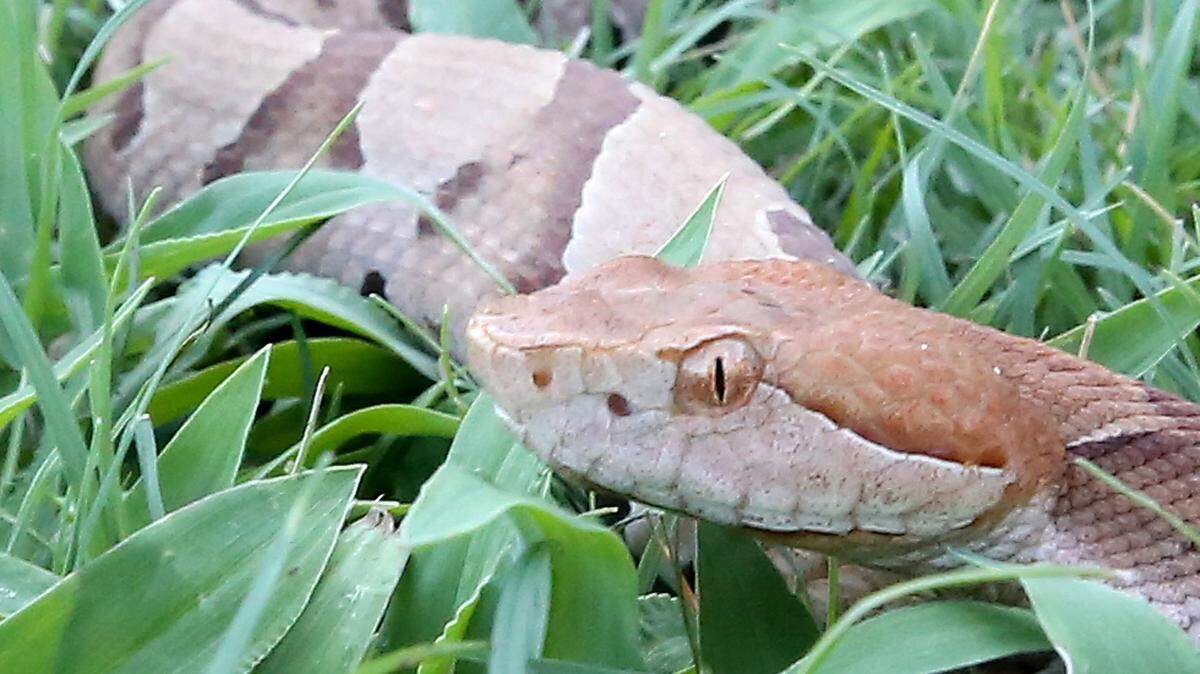
South Carolinians and tourists enjoying the great outdoors should watch their step: it’s copperhead season. The state’s most common venomous snake is out for the summer — and so are the babies.
“It is that time of year where you’re going to see a lot of them,” said Todd Metz, owner of Critter Control in Myrtle Beach. “Obviously there’s a lot of activity of food sources and things that they could be around. It’s not going to be long, probably within the next month here, people are going to start seeing their young.”
Here’s what to know about copperheads, their bites and snake safety this summer.
What are copperheads
Found across South Carolina, copperheads aren’t picky about their habitats, making their homes in mountain coves, piedmont and coastal plain hardwood forests, longleaf pine forests and swamp forests, according to the South Carolina Department of Natural Resources.
True to their name, the snakes have coppery skin with distinctive brown triangular bands that resemble hourglasses.
Young copperheads have bright greenish yellow tips on their tails used to lure prey like lizards and frogs that they outgrow with time. Although most adults range from 2 to 3 feet in length, some grow as long as 4 feet.
Copperhead sightings on the rise
Copperheads tend to hibernate over the winter, so human encounters are more common in the summer months. But later in the season, the population also spikes. Toward the end of August into September, Metz says he gets more calls to deal with copperheads.
Because copperheads don’t lay eggs, mothers birth live-born young. According to Zoo Atlanta, litters typically consist of six to nine babies, but some litters have as many as 20 new snakes.
“They don’t do anything to protect them. Once they have them, they’re gone. The babies are on their own,” Metz said. “If you see a young one, be on the lookout, because if there’s one young one, there’s going to be more, almost guaranteed.”
When copperheads are out
Like most animals — and people — copperheads aren’t fans of the dog days of South Carolina summer. According to the Smithsonian, in the warm summer months, copperheads tend to be nocturnal. As a result, sightings can be more common after the sun goes down.
“They’re gonna slow down a little bit in the middle of the day when it’s super hot out, but they definitely like to hunt in the cooler evenings and at night time,” said Metz.
Where copperheads hide
While copperheads are found in a variety of habitats, there are certain places they’re more likely to make a home.
“If you have a lot of vegetation in and around your house, a lot of debris piles, old wood, junk, things like that, they’re going to feel more comfortable because they can hide,” Metz said.
Like all living things, food sources also influence copperhead habitation. Areas with abundant rodents, lizards, frogs, birds and insects attract all kinds of snakes, including copperheads.
Copperhead bites
Copperheads aren’t generally aggressive and tend to avoid confrontations. However, if they perceive danger, copperheads may strike and their venom makes them dangerous.
“If they’re just doing their thing in the yard, and you keep your distance, they’re not going to pursue or look to bite you. They want to get away from you or avoid you, as much as you want to avoid them,” said Metz. “But if you go messing with it, or you startle it — a lot of people step over something and it’s laying underneath of it — it strikes out of fear more than anything.”
In the event of a bite, it’s best to remain calm and seek medical attention. Bites are rarely fatal but do require treatment.
Staying snake safe
To avoid an unpleasant encounter, there are ways to minimize chances of getting bitten by a copperhead.
When venturing in nature, staying on paths and sidewalks helps limit the chances of startling snakes lurking in vegetation. For early mornings, evenings and nights, when copperheads are especially active, using a flashlight will illuminate the snakes’ glowing eyes.
And pets are also vulnerable to copperhead bites, so it’s a good idea to watch where they step as well. Keeping dogs and other animals leashed and nearby helps protect curious animals from a potentially fatal bite.
To minimize copperheads and other snakes around houses and yards, it’s helpful to keep grass low and clear potential nesting areas, like wood piles, pine straw and mulch.
This story was originally published August 8, 2025 at 6:00 AM.