
Here’s what SC can expect from latest tropical storm, disturbances brewing across Atlantic
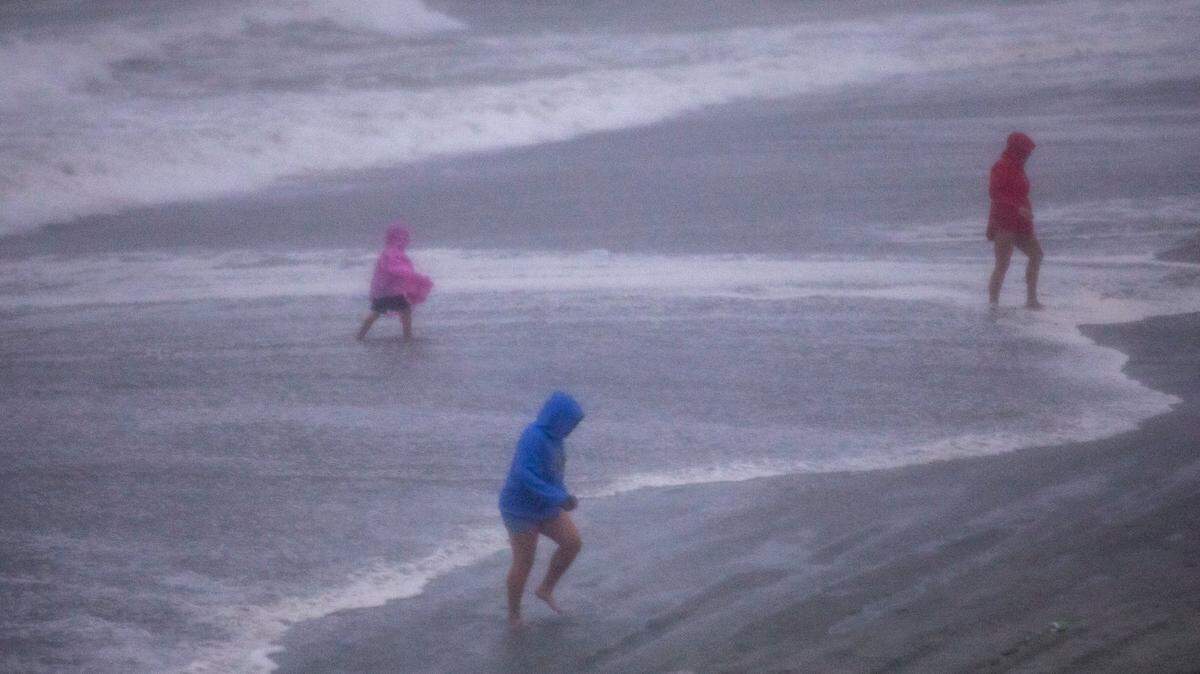
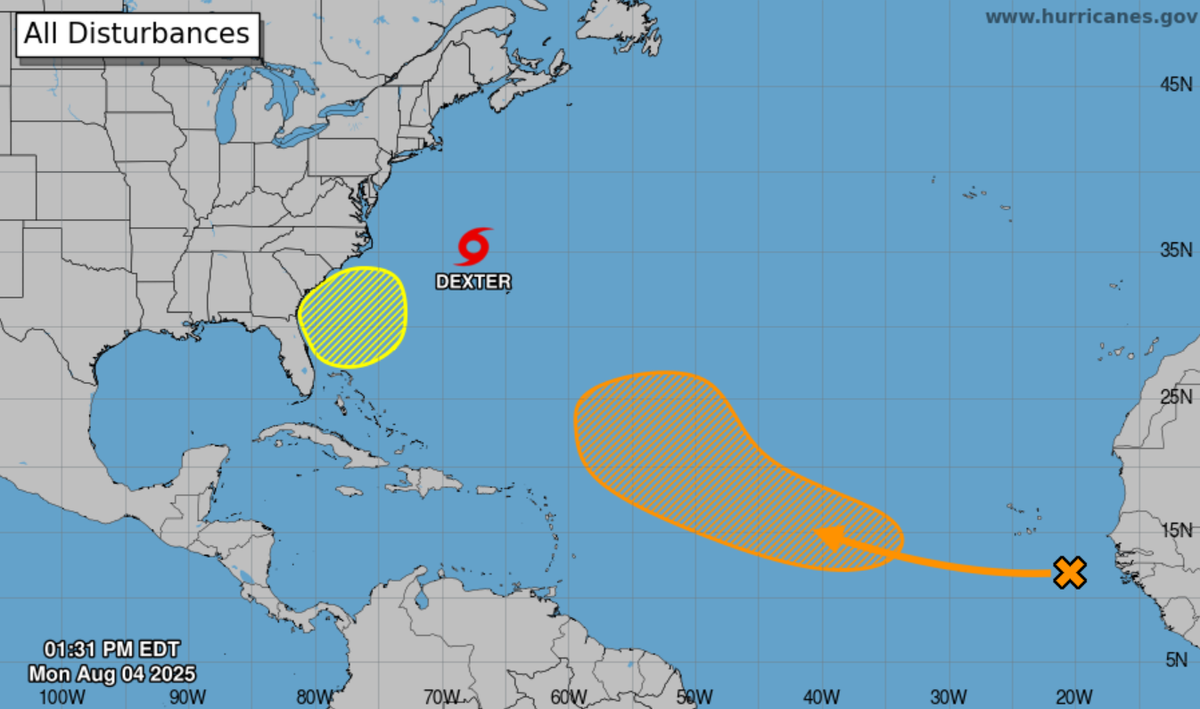
A tropical storm and two potential cyclones are developing over the Atlantic ocean, according to the National Hurricane Center.
“It’s definitely a lot of moving parts to watch out for,” said National Weather Service meteorologist Adam Weiner. “The pattern that we have in place across the eastern US is atypical for August, but is one that really wouldn’t favor this disturbance … becoming anything strong in any rapid fashion.”
The National Oceanic and Atmospheric Administration identifies the Atlantic hurricane season as June 1 through Nov. 30 and South Carolina has seen its share of August storms. According to the Department of Natural Resources, three tropical storms and eight hurricanes have made landfall in August in South Carolina since 1851.
Most recently, Hurricane Isaias grazed the northeast corner of the state in August 2020, bringing rain, wind, storm surge and flooding.
As hurricane season continues across the Southeast, here’s how experts predict each storm could impact South Carolina.
Tropical Storm Dexter
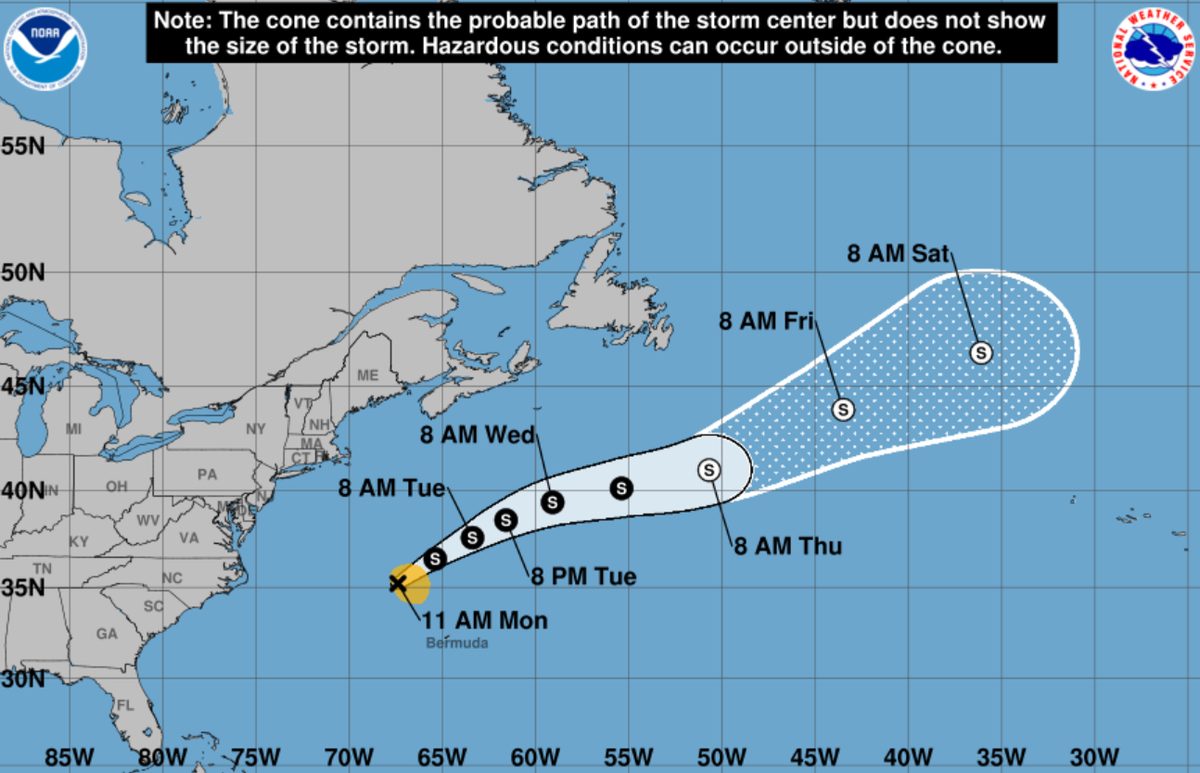
Currently brewing off the mid-Atlantic coast, Tropical Storm Dexter likely won’t pose a risk to South Carolina. The National Hurricane Center predicts the storm will keep moving northeast, away from South Carolina, throughout the week.
“Tropical Storm Dexter is closer to Bermuda than it is to the Carolinas’ coast. It is a weak tropical storm, though, winds only around 45 miles an hour and is expected to keep moving away over time,” Weiner said. “For South Carolina, no major impacts are expected from that whatsoever.”
Southeastern disturbance
As Tropical Storm Dexter moves away from the Palmetto State, two potential cyclones are forming, one off the southeastern United States and another in the central tropical Atlantic.
The southeastern disturbance is both closer to South Carolina and less likely to develop into a cyclone. The NHC predicts there’s practically no chance of a cyclone forming in the next two days and a 30% chance of formation over the next week.
“Whether it’s actually a bona fide tropical system seems pretty unlikely at this point,” said Weiner. “But nevertheless, we can still have a low-pressure area, which will help to focus moderate-to-heavy rainfall [and] have some stronger winds as that gets close to the coast, but at this point again, it would more than likely be below tropical storm force.”
Central tropical Atlantic disturbance
The central tropical Atlantic disturbance is also unlikely to form a cyclone in the next couple of days, but has a 50% chance of developing over the next seven days.
“This one is not expected to be a concern for a while. Nevertheless, it does have a higher chance of development,” Weiner said. “The question is, of course, where might it go? And that’s another thing that’s too early to tell.”
According to Weiner, disturbances like this typically move toward the central Atlantic at an angle before turning north away from the East Coast. While it’s too soon to say what path the disturbance will take, a major storm would impact South Carolina.
“It appears that it should develop into something, and of course, how strong it is will determine what kind of impact you might see,” said Weiner. “Regardless of how far away it might be, though, if it becomes a hurricane, higher wave activity and stronger rip currents will be a concern, regardless of exactly where it is, just a matter of when it would get to the coast.”