
Spiders sneak into SC homes every year. Here are the dangerous ones and how to keep them out
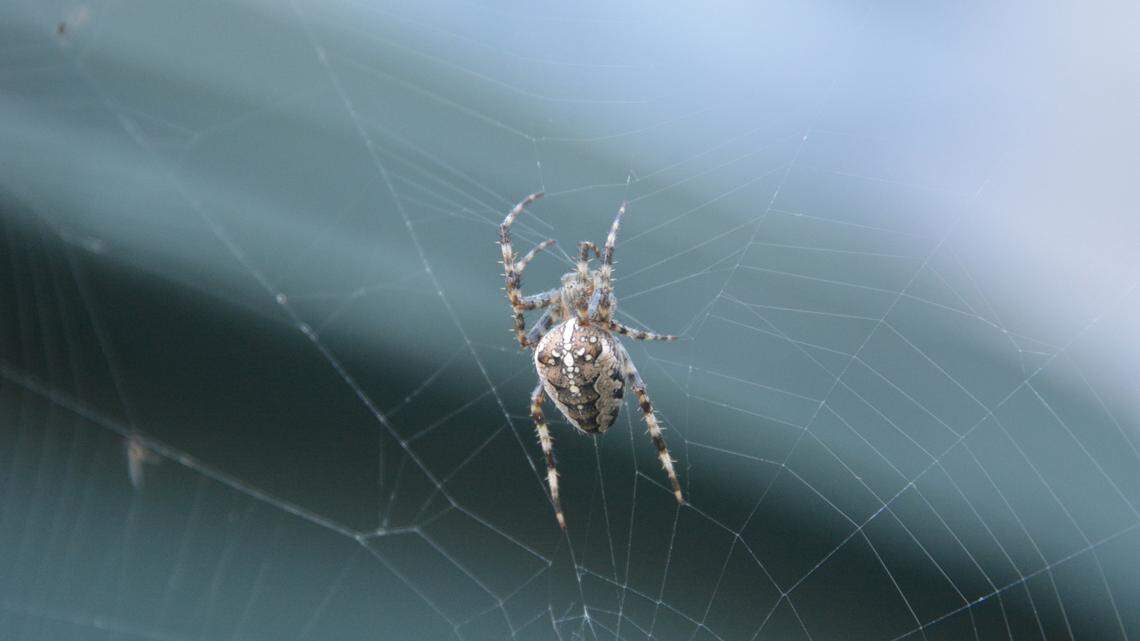
As the summer heat tends to drive a handful of pests indoors, many South Carolina residents may find themselves sharing their homes with a less-than-welcome visitor: spiders.
While most of these eight-legged creatures are harmless and even beneficial for keeping other insects at bay, some species can spark concern due to their scary appearance and habits.
Here’s what you need to know about the most common spiders found in South Carolina homes, how to identify an infestation and practical tips for keeping them out.
Why do spiders come indoors?
Terminix states that between late summer and early fall is when spiders are more commonly found indoors.
This aligns with their mating season, meaning you’re more likely to cross paths with a spider somewhere in your home. The summer heat also encourages them to move inside, as spiders are searching for cool and wet places to call home. Spiders may also venture indoors in search of food.
Common spiders found in SC homes
These are the most common kinds of house spiders found in the Palmetto State, according to South Carolina-based pest control companies, Vinx Pest Control and Walker Pest Management.
- Brown Recluse Spider: While it’s rare to see one, these spiders are one of the more dangerous spider species due to their venomous bites. Brown recluses are tan to dark brown in color with a violin-shaped marking on their back. They prefer darker and quieter spaces like closets or attics.
- Black Widow Spider: South Carolina is home to three venomous black widow variants. These spiders are a shiny black color with hourglass markings on the abdomen. They typically live in woodpiles, crawl spaces and occasionally indoors.
- Wolf Spider: While these critters may look scary, know that even if they bite, their venom is not dangerous. These spiders are larger, hairy and typically brown or gray with dark markings. Wolf spiders are often found under debris or leaf-littered areas.
- Jumping Spider: One of the more commonly seen spiders in South Carolina homes is the small and brown colored jumping spiders. They are harmless and usually more active during the day and are found on walls, windows or other similar areas.
- Common House Spider: Another harmless type of spider, this species is notorious for building webs in corners, basements and garages. Similar to the jumping spider, these are also small and brown in color. The house spider will typically have smaller eyes than the jumping spider.
- Southern House Spider: These creatures are often mistaken for the venomous brown recluse. While similar in size and color, the house spider does not have any markings on its abdomen. These harmless critters are usually found building large webs in basements, garages and shed areas.
- Orb-Weaver Spider: Known for their yellow color and “wheel-shaped” webs, the orb-weaver spider is larger than other species and can be found outdoors near gardens. These spiders are harmless and are good for controlling other insect populations.
- Daddy Long Legs (Cellar Spider): These spiders are easily identified by their small, round bodies and thin, long legs. Usually gray, brown or tan in color, these spiders are harmless and live in damp or dark areas.
Signs of a spider infestation
While seeing the occasional spider is normal, the following signs may indicate an infestation:
- Frequent spider sightings: Multiple sightings in a short period, especially indoors.
- Web accumulation: Webs in corners, attics, garages and sheds.
- Egg sacs: Small, white web balls that may contain hundreds of spiderlings.
- Droppings: Small black spots resembling paint splatter.
- Shed skins: Found near hiding spots and web areas.
- Increased insect activity: A rise in other insects can attract spiders seeking prey.
How to keep spiders out of your home
Terminix provides these tips for keeping these bugs out of your home:
- Seal cracks and gaps: Prevent entry by sealing doors, windows and foundation cracks.
- Declutter and clean: Regularly clean storage areas, closets and corners where spiders tend to hide.
- Vacuum and remove webs: Take down existing webs and egg sacs to discourage nesting.
- Fix screens and doors: Repair any broken window and door screens to limit entry points.
- Take care of other pests: If your home has other insects like flies or ants, ensure to remove these from your home to reduce attracting spiders in.
Insecticides can also help when removing spiders, just ensure to use them safely and as directed.
This story was originally published August 5, 2025 at 6:00 AM with the headline "Spiders sneak into SC homes every year. Here are the dangerous ones and how to keep them out."
