Could your hospital in SC close because of the Big Beautiful Bill Medicaid cuts? What we found
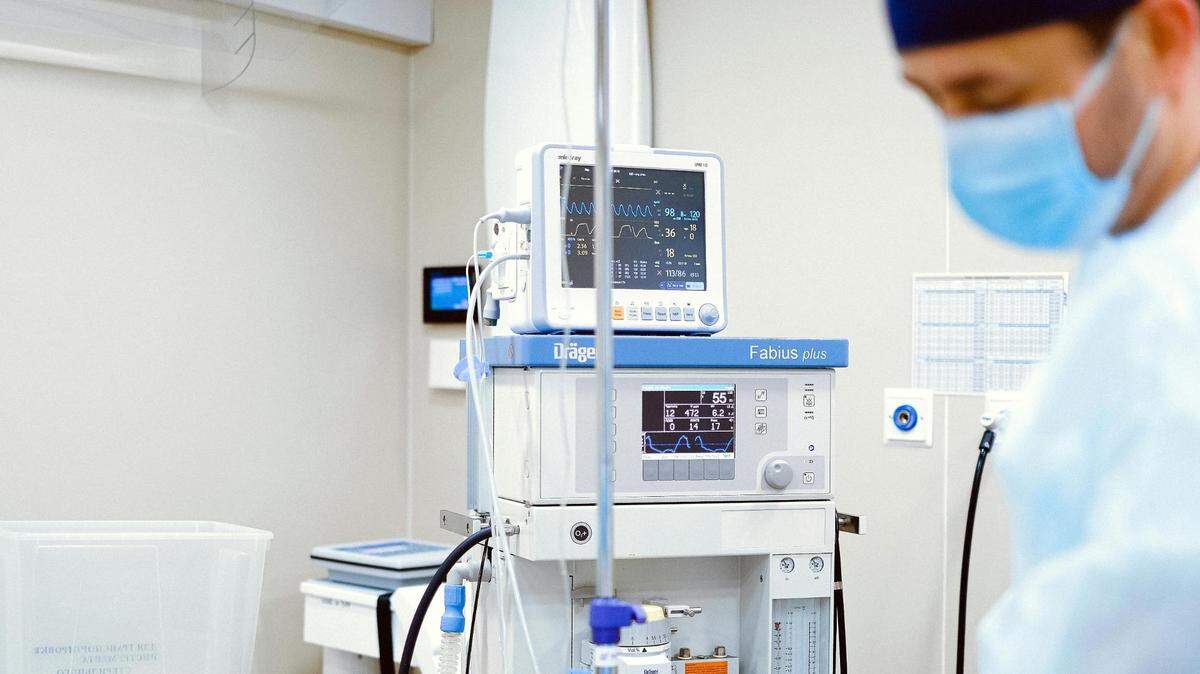
Recent changes to health care and Medicaid policy under President Donald Trump’s administration, particularly through the One Big Beautiful Bill Act, have introduced challenges for rural hospitals.
This bill provides tax breaks and cuts spending to programs like Medicaid and environmental initiatives. Democrats and Republicans were largely divided, but it ultimately passed and became law on July 4, 2025.
South Carolina ranks as the sixth worst state for health care in the U.S., according to data from the U.S. Census Bureau, Centers for Disease Control and Prevention and The Kaiser Family Foundation, an independent health policy research center.
One of the major impacts this bill brings involves Medicaid funding, which could force some rural hospitals to close. These changes cost close to $540 million and would result in 1.8 million individuals nationwide losing their coverage by 2034, the American Hospital Association says.
The AHA, a nonprofit organization founded in 1898, represents nearly 5,000 hospitals and health systems through advocacy, policy engagement and leadership education.
How does this bill impact rural hospitals?
According to most recent data from the South Carolina Department of Health and Human Services, 1.05 million residents are enrolled in Medicaid across the state.
Of those 1.05 million, an estimated 51% of child enrollees and 18% of adult enrollees live in rural areas, according to The Commonwealth Fund, a private research foundation focusing on health care issues, grants, health care practice and policy.
Key impacts for hospitals from these cuts identified by the National Rural Hospital Association include:
Loss of Medicaid dollars: Medicaid payments are being reduced, which can make it difficult to pay staff, buy supplies or keep services available.
Lowered reimbursement rates: For some services, Medicaid covers portions of costs for specialized care, so either hospitals will have to cover the remaining amount or it will be passed on to patients. According to the state Hospital Association, South Carolina hospitals already had $3.2 billion worth of uncompensated care on their books in 2024.
Shrinking local populations: As younger populations move away, older and less healthy populations remain, therefore needing more care.
Fewer backup options: Larger, better equipped hospitals may be miles away, leaving many without emergency care.
The NRHF, an extension of the National Rural Health Association, is a nonprofit organization focused on supporting rural health leaders and facilities.
What services are at risk?
The AHA identifies the following services to be at risk in rural hospitals with changes in funding:
Maternity health
Behavioral health
Pulmonology/lung health
Burns and wounds
Medicaid funding cuts in SC
According to The Kaiser Family Foundation, South Carolina will start losing its ability to pay hospitals for treating Medicaid patients at similar rates as private insurance by 2028 through the state-directed payment program.
Collectively, these cuts translate to a loss of roughly $2.4 billion annually, according to the South Carolina Hospital Association.
What SC hospitals are at risk?
Seven hospitals are at risk of closure, accounting for 29% of hospitals across the state, according to a report conducted by the Center for Healthcare Quality and Payment Reform, a national policy center that facilitates improvements in health care payment and delivery systems.
Of those seven, five have been identified at a heightened risk of immediate closure, according to a study by the Cecil G. Sheps Center for Health Services Research at the University of North Carolina. This study identified hospitals that meet one or all of the following financial criteria:
Whether the hospital has been unprofitable for the last three years.
Whether the hospital is at risk of financial distress relative to peer hospitals.
Whether the hospital serves a disproportionately high share of Medicaid patients.
According to this study, rural hospitals within these criteria face greater risk of being forced to stop providing some services, converting or closing.
The five rural hospitals in South Carolina identified as having a heightened risk of closing based on this research study include:
Oconee Memorial Hospital, Seneca
MUSC Health Chester Medical Center, Chester
MUSC Health Marion Medical Center, Mullins
The Regional Medical Center, Orangeburg
Abbeville Area Medical Center, Abbeville
For more information on Medicare funding and hospitals across South Carolina:
South Carolina Hospital Association: scha.org
South Carolina Department of Public Health: dph.sc.gov
Rural Health Information Hub & U.S. Department of Health and Human Services: ruralhealthinfo.org
This story was originally published July 23, 2025 at 6:00 AM with the headline "Could your hospital in SC close because of the Big Beautiful Bill Medicaid cuts? What we found."