
It’s nearly baby rattlesnake season in SC and they’re born venomous. Here’s what to know
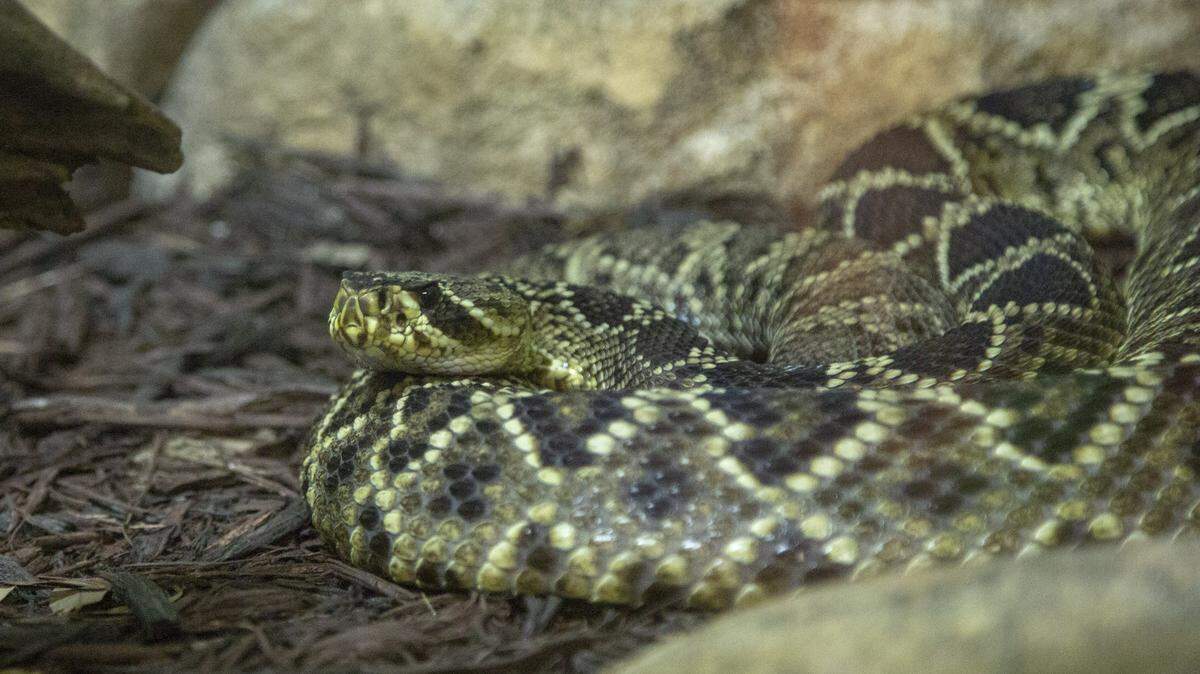
Soon it will be that loving season for South Carolina’s elusive eastern diamondback rattlesnake, the largest of its species in the world and the most venomous snake in North America.
And you know what that means — a clutch of babies will follow in the fall. Six to 21 of them squiggling around with their big eyes and lots of venom, although not as harmful as an adult and certainly not enough to kill if the bite is treated.
Eastern diamondback rattlers are typically found in longleaf pine forests near the coast and the babies blend in among the leaves as surely as their parents, South Carolina Department of Natural Resources says.
Females give birth to live young, often after male snakes fight over her. They don’t have rattles when they are born so you’re not going to hear them when you get near.
Timber rattlesnakes are most commonly found in the Upstate, typically in the mountains due to loss of habitat in other areas.
Babies have a single rattle with more — sometimes up to 13 — added each time the snake sheds, DNR said.
Another rattlesnake in South Carolina is the pygmy rattlesnake, which live in mixed forests, sandhills, and floodplains in the coastal plain.
“Between March and October, it is possible to encounter a pygmy rattlesnake anywhere near bodies of freshwater like marshes, swamps, ponds, and streams. Pygmy rattlesnakes are active during these months as they hunt for small animals like frogs, lizards, and small rodents,” A-Z Animals said.
Some fear baby rattlesnake bites are more potent than adults because they cannot control their venom.
This is a myth, said the Asclepius Snakebite Foundation, a nonprofit that researches snake bites and provides anti-venom to health workers.
The severity is determined by the snake, your medical history and how quickly you get treatment.
“The takeaway is that while adult rattlesnakes are more likely to cause worse envenomations, a bite from a baby rattlesnake is no joke and can still kill you if you don’t get proper medical treatment,” the foundation said. “This is especially true in cases involving children due to their smaller masses. Treat all snakes with respect, give them a wide berth, and appreciate them for doing an excellent job of keeping rodent populations under control.”
Their end note: “Rattlesnakes have no interest in biting humans and we are fortunate to have a species of venomous snake that gives us fair warning before striking, so respect that fact and appreciate them from a distance.”
This story was originally published July 17, 2025 at 6:00 AM with the headline "It’s nearly baby rattlesnake season in SC and they’re born venomous. Here’s what to know."