
Disease-carrying ticks are out in SC again. Here’s how to protect yourself and pets
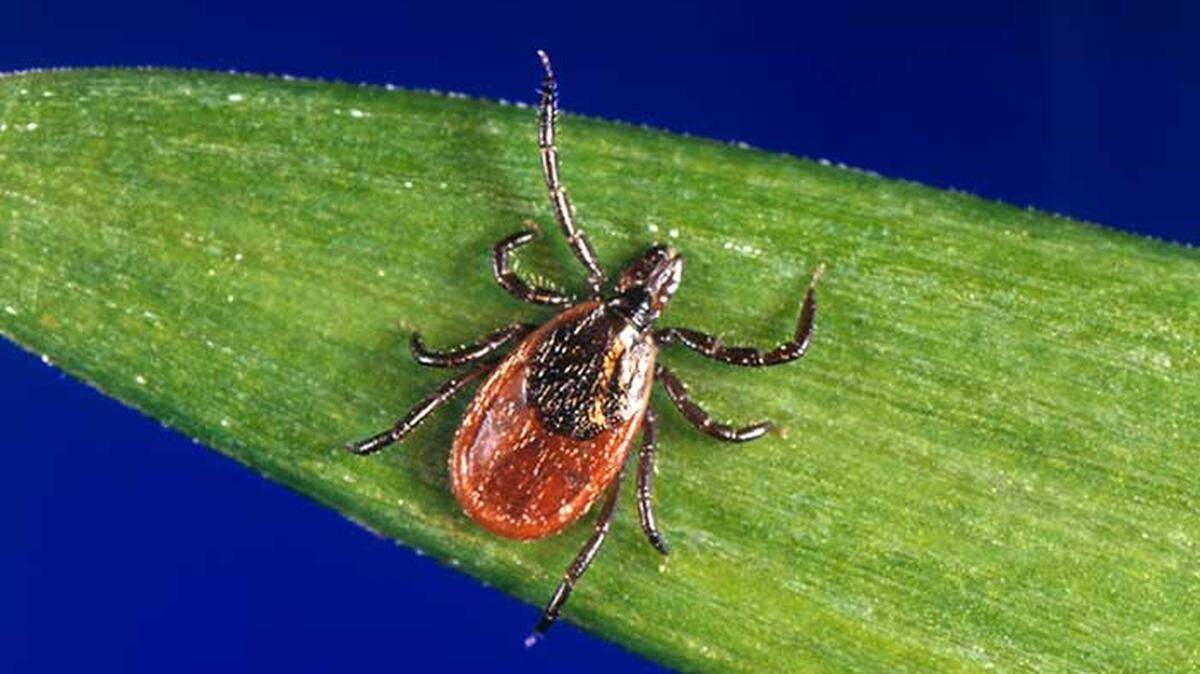
As South Carolinians enjoy the great outdoors this summer, it’s important to watch for a little-seen threat that can transmit serious illnesses.
Ticks need to consume blood to grow and produce offspring. Unfortunately for humans and pets, that means the little parasites are on the lookout for a meal.
Instead of jumping or flying, the parasites “quest,” waiting on tall grasses and shrubs for humans and animals to brush by them. The arachnids are found across South Carolina in forests and areas with tall grass and weeds. According to Coastal Carolina University professor of biology Chris Hill, the presence of other potential hosts can indicate ticks’ presence.
“Ticks are all over, largely in the woods where there are deer,” Hill said.
As the climate warms, some evidence suggests tick bites are a growing issue. With warmer temperatures, different tick species are spreading, able to live and stay active longer in colder climates.
However, in South Carolina, ticks are always in season. People taking advantage of the warm weather and vacation time may encounter more ticks in the summer, but according to the South Carolina Department of Public Health, different tick species’ life cycles overlap, so they’re always around.
Identifying a tick
South Carolina is home to a variety of ticks, which can grow from the size of a poppyseed to more than a half inch.
The American dog tick, black-legged tick, brown dog tick and lone star ticks are all found throughout the state. The Gulf Coast tick is also common around all but the northwest corner of South Carolina. In addition to the more common species, the Asian longhorned tick has been spotted in several counties along the state’s northern line.
Each species varies slightly in appearance, but all feature brown or reddish-brown coloring. After emerging from the egg, the arachnids have just six legs as larvae but eight legs as nymphs and adults.
How to avoid a tick bite
If you’re planning an outing in tick territory, there are several ways to protect yourself and your pet. The first thing to remember is that questing ticks lurk on tall grass, weeds and shrubs. Sticking to the middle of paths and trails can minimize your exposure.
Following an anti-tick dress code can also help keep you safe.
“If you don’t mind looking goofy, tucking your pant legs into your socks is a great way to avoid ticks, and then checking when you get back to remove them,” Hill said.
Certain chemical protectants repel ticks, as well. SCDPH recommends using repellents with at least 20% of an active ingredient approved by the Environmental Protection Agency, like DEET. If you’re using sunscreen, layer the repellent under, not over it.
You can also pretreat clothes with 0.5% permethrin, which remains effective for multiple washes.
Steps to prevent a tick bite at home
No matter how careful you’ve been, it’s important to shower, check yourself and others and check your gear. Clothes can be washed in hot water or tumble-dried on high for 10 minutes to kill ticks.
You should also carefully examine gear that can’t go through the laundry. Be sure to check backpacks, leashes and anywhere else a tick could latch on–including your body.
On humans, ticks tend to attach:
In and around the hair and scalp
In and around the ears
Under the arms
In and around the bellybutton and waist
Around the waist
Between the legs
Behind the knees
On pets, ticks tend to attach:
In and around the ears
Around the eyelids
Under the collar
Under the front legs
Between the back legs
Around the tail
Between the toes
The Centers for Disease Control recommends running your fingers through pets’ fur with gentle pressure looking for small bumps.
How to remove a tick
If you spot a tick, many popular removal methods can be unreliable or even dangerous, causing ticks to regurgitate fluids into a bite which can transmit disease. Never squeeze a tick or apply heat, nail polish or petroleum jelly.
Instead, get some fine-tipped tweezers and grasp the tick as close to the skin as possible. To keep the mouth from breaking off in the skin, use steady pressure to pull.
Once the tick is out, clean the area with soap and water before applying an antiseptic like hydrogen peroxide, iodine or rubbing alcohol.
Tick-borne illnesses
Unfortunately, for their human and animal hosts, when ticks latch on they can transmit diseases and other sicknesses.
Tick-borne illnesses include:
- Allergic reactions
Anaplasmosis
Babesiosis
Ehrlichiosis
Heartland virus
Lyme disease
Powassan virus disease
Rickettsia parkeri rickettsiosis
Rocky Mountain spotted fever
Southern Tick-Associated Rash Illness (STARI)
Tick paralysis
Tularemia.
If you’re bitten by a tick, mark the date of the bite and watch for medical complications.
Symptoms of illnesses transmitted by ticks include:
- Abdominal pain
- Allergy to red meat
- Chills
- Coughing
- Decreased appetite
- Fatigue
- Fever
- Headaches
- Joint pain
- Loss of motor function and reflexes
- Muscle aches
- Nausea
- Rash
- Swollen lymph nodes
- Vomiting
- Weakness