
Hundreds of SC 9/11 responders & survivors need medical care. Here’s how you can help
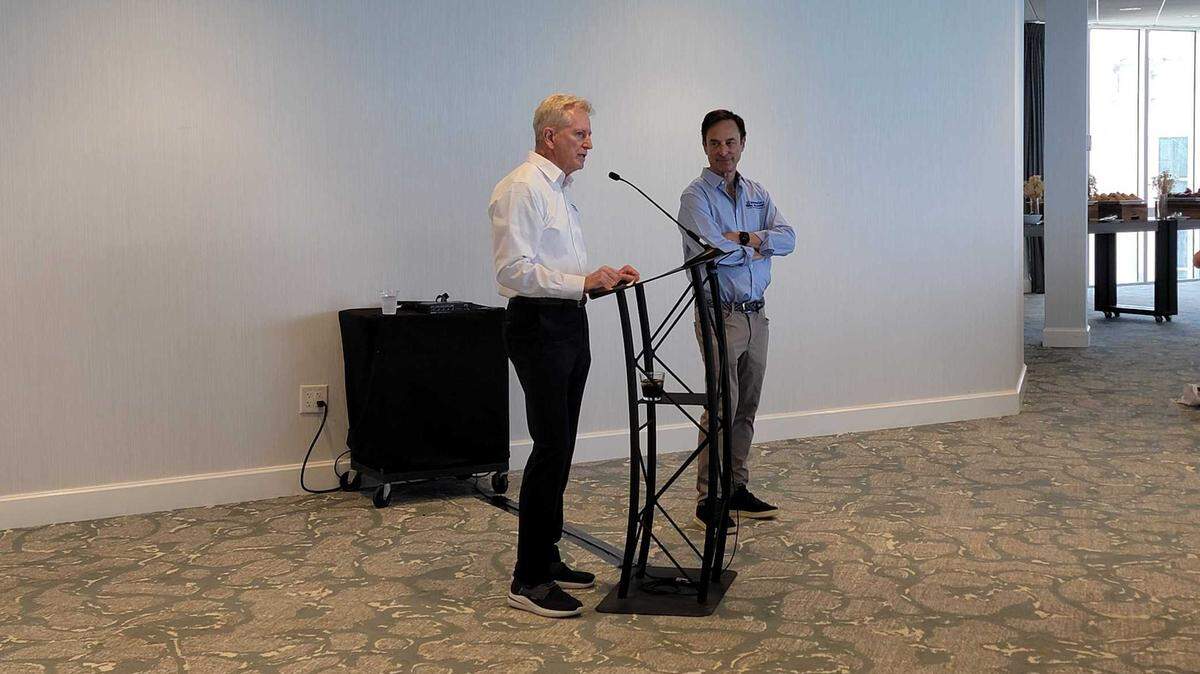
Today, 57-year-old Brendan Keatley lives in Murrells Inlet, but in 2001 the Connecticut native was a firefighter in Stamford. In the days and weeks after the World Trade Center attacks, Keatley was among the responders testing, decontaminating and destroying hazardous materials.
Like hundreds of other South Carolinians, Keatley relies on the World Trade Center Health Program for critical treatments for cancers and respiratory illnesses related to 9/11.
But the program — and its lifesaving work — could be in trouble. Funding for the WTCHP currently only extends through 2027. Without support, the program will limit membership and reduce services, advocates say.
“Everyday I’m taking meds, and I’m feeling pretty good, looking pretty good, right?” Keatley said. “But it’s important to have that care because, if they cut off that stuff, it’s the end of certain medications that I take. It’s the end of, maybe, my CPAP machine that I need to breathe at night and things like that.”
Keatley is one of thousands of survivors and first responders around the country who are rallying for public support, encouraging elected officials to support legislation to fund the WTCHP.
“This affects people in every congressional district. It’s all 50 states. A lot of people came to New York City after 9/11 from near and far,” said Deputy Chief Richard Allies of the New York City Fire Department. “And now we’re starting to see the death toll is now more for people that went to the Trade Center than [were] killed on 9/11.
Devastating health complications: “They’ll be victims a second time”
According to the Centers for Disease Control (CDC), the WTCHP enrolls roughly 135,000 9/11 responders and survivors around the country. Responders came from all 50 states to help in the aftermath of the attacks and many who lived in the area have since moved out of New York.
“First responders came from every congressional district in our country, all 50 states,” Allies said. “And the survivor community, I call them the true victims, because they were told to go back to their homes and work and were contaminated. They’ll be victims a second time.”
For those exposed to the more than 350 chemical agents around Ground Zero, Allies says it’s not a question of if, but when their health will be impacted.
Those enrolled in the WCHP are entitled to an annual physical exam. Combined with a yearly visit to a primary care physician, those impacted by 9/11 have a better chance of catching and managing cancers early on.
But despite the fact that WTCHP runs through 2090, advocates say without sufficient funding, services will slow and eligible people who discover related illnesses won’t be able to seek WTCHP care or access those essential exams.
Attorney Michael Barasch, whose office is just two blocks from Ground Zero, has faced skin and prostate cancers and lost colleagues in the city from the attacks. Of the some 40,000 survivors and responders he represents, Barasch estimates two die every day.
“They will have to stop taking new patients in 2027 because there’s just not enough money,” Barasch said. “They’ll continue to take care of the existing patients. But people keep getting sick every single day.”
Funding through the years: “It’s a perpetual fight”
Despite vocal support for 9/11 survivors and responders across the political spectrum, the campaign for care has been a years-long slog.
“It’s a perpetual funding fight to have the federal government continue to authorize treatment and compensation and medical care,” Keatley said.
Nearly a decade after the attacks, in 2010 President Barrack Obama signed the James Zadroga 9/11 Health and Compensation Act into law, creating the WTCHP and the Victim Compensation Fund (VCF), which compensated individuals at the crash sites who have been diagnosed with related illnesses or their representatives.
But that victory was short-lived, as survivors, responders and advocates had to keep pushing to reauthorize the law in 2015. The WTCHP was extended until 2090, but the VCF was only renewed for another five years.
So the focus shifted to extending the VCF. In 2020, President Donald Trump signed a law extending the VCF until 2090. But while the WTCHP is in place through 2090, financial support is only set through 2027.
In December 2024, then-President-elect Trump objected to a bipartisan year-end spending deal which would have addressed the WTCHP’s upcoming deficit. Now those impacted by the Sept. 11 attacks are once again lobbying for legislation to support the WTCHP.
“When President Trump signed the bill for the last time in 2020 it was a drop-the-mic moment; The end of my professional quest, as far as that, and now I could just focus on the advocacy of bringing the message to people,” Allies said. “To find myself back in Washington, fighting for one of the programs that I was so passionate about. It’s very, very frustrating.”
Additional government cuts: “People are going to die because of this”
Like many federal agencies and programs, WTCHP workings have been hit by government cuts.
The WTCHP planned to increase staff to 138 people. Instead, so far this year the program’s been subject to a series of firings, research cuts, reinstatements and reversals from the Department of Health and Human Services and Department of Government.
“Without these additional doctors and nurses who are now being fired, it’s going to take eight months to get an appointment,” Barasch said. “People will die because of this lack of funding, and it’s outrageous.”
Despite the reversals, patients report they were left without vital medical care amid the chaos.
“This was a promise that Congress made to take care of the 9/11 community, and they’re breaching that promise now, because they all want to vote for this big, beautiful budget bill,” Barasch said. “Well, there’s no funding for the health program in that big, beautiful bill, and that’s because Mr. (Elon) Musk slashed the funding for the health program and fired 16 doctors, so people are going to die because of this.”
Calls to elected officials: “You made a sacred promise”
As the push for funding continues, Sen. Lindsay Graham, Sen. Tim Scott and Myrtle Beach-area Rep. Russell Fry have not publicly voiced support for legislation to extend WTCHP funding.
No South Carolina congresspeople have co-sponsored the 9/11 Responder and Survivor Health Funding Correction Act in either the Senate or the House of Representatives.
The offices of Sen. Graham, Sen. Scott and Rep. Fry did not respond to The Sun News’s requests for comment.
“Quite honestly, it’s sort of disappointing … I’ve contacted the people in my senators’ offices and they don’t really seem to be too on board or anything,” Keatley said. “You hear about these DOGE cuts, they cut all this money. Okay, well, but you made a sacred promise to people, and you know, the funding was supposed to be there for the next, you know, 90 years.”
Without promises from their elected officials, survivors and responders are seeking help from the public to urge support for the legislation.
“I want them to call their senators and say, ‘I’m a constituent,’” Barasch said. “This isn’t a New York issue. This is affecting your people who vote for you.”