
Is that a SC snake or a lizard without legs? There’s a difference. Here’s how to tell
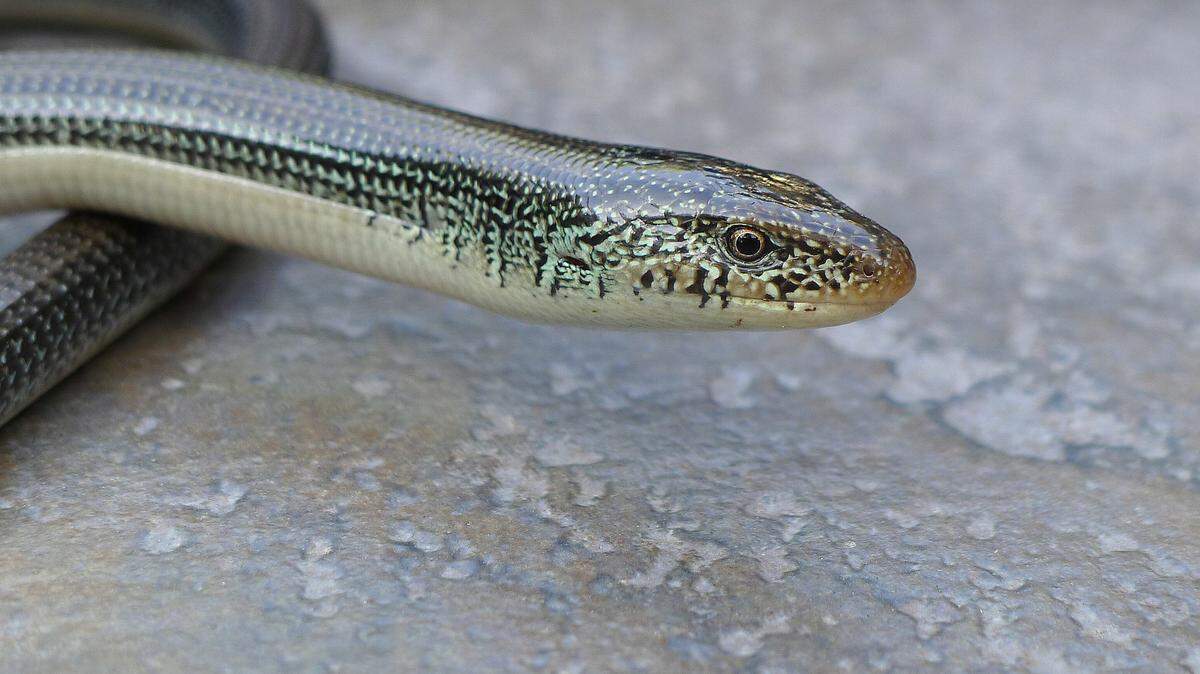
So you’ve got your hoe ready to whack off the head of a snake you found in your yard — but you should probably think twice.
It might not be a snake at all and wildlife biologists will tell you in a skinny minute to leave any snake you see alone, even rattlers. They won’t bother you if you don’t bother them.
But, back to the point, the “snake” you see could be a harmless and legless eastern glass lizard, primarily found throughout the coastal plain and in the Piedmont, in piney woods, along the edges of freshwater wetlands, salt marshes, and beaches.
They can be 18 inches to 43 inches long and go about their days eating spiders, insects, crabs, snails, eggs from ground-nesting birds, small mammals, snakes, and lizard eggs.
They’re a bit cannibalistic and will eat lizards smaller than they are, according to the Savannah River Ecology Lab at the University of Georgia.
They love to burrow, especially in sand and loose soil.
Here’s their super power: when they are grabbed they can break off their tail and slither away.
In a video famed South Carolina naturalist Rudy Mancke made not long before he died in 2023, he said you can tell if they’ve lost a tail because the regrowth will be a different color.
Mancke said his grandmother would have called the creatures a glass snake.
But they can easily be identified as a lizard and not a snake because they have ear holes in the side of their heads and eyelids, Mancke said. Snakes have neither.
They are usually light brown or yellowish to greenish in coloration, the Savannah River lab said.
They also have several vertical whitish bars behind the head. The underside is bright yellow to cream.
Females lay from four to 15 eggs in late spring to early summer and stay coiled around them until they hatch about two months later. Unless the nest is uncovered or disturbed in some way, she won’t defend the nest.
The University of Georgia says nothing to worry about with this reptile. They are abundant. No natural enemies. Except man and the encroaching development that destroys their habitat.
This story was originally published June 14, 2025 at 6:00 AM with the headline "Is that a SC snake or a lizard without legs? There’s a difference. Here’s how to tell."