
Want palmettos in your SC yard? Watch out for these “red flags” and palm tree mistakes
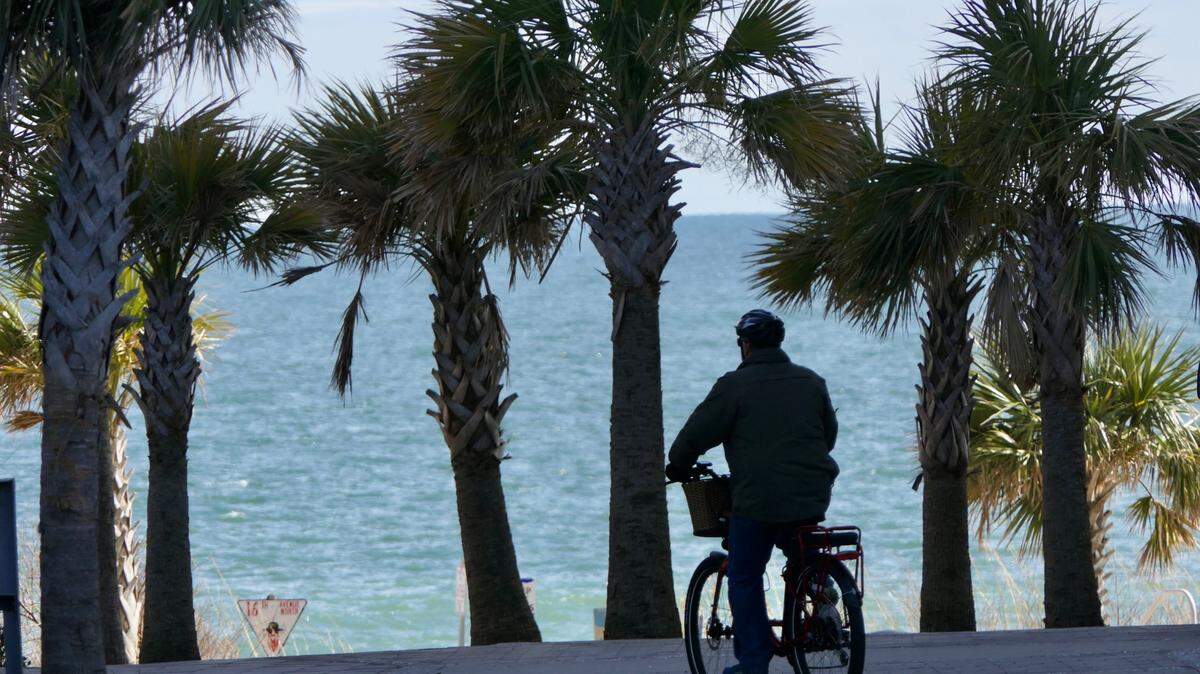
For many folks, nothing says life at the beach like a palm tree in the yard, so it’s no wonder why many new homeowners on the South Carolina coast decorate their yards with palms.
“Everybody seems to come down and they want to declare that they’re now here, and they get a palm tree in their front yard,” certified said arborist Andrew Bolger, who works with Mr. D’s Tree and Landscape Services.
But buying and installing palm trees can be a splurge — around $600 per tree — and some don’t last long.
“Definitely, I would say I see between one and two out of every 10 [palm trees] planted is going to die, which is, I think, a bit high,” said William Gabrielsen, owner of Palms Away.
Before you make cash out on expensive landscaping, here’s what experts say you should know about picking, planting, caring for and protecting your new palm trees.
Which palm trees grow in South Carolina?
The sabal palmetto, South Carolina’s state tree, is among the most common and best-suited to the area.
Pindo palm trees, sometimes called jelly palms for their edible orange fruit, and smaller Mediterranean or European fan palms are also popular picks that do well in the Carolina climate, according to Gabrielsen.
While Washingtonia palm trees are striking, Bolger says these palms require more work. Washingtonia palms thrive in places like southern California and Mexico, but sometimes struggle in South Carolina.
“You sort of have to baby them for two or three years, tarping them up in the winter, and eventually, they do become accustomed to our winters,” Bolger said. “But typically, without human intervention, they would just die in the first winter.”
Picking a healthy palm tree
If you’re thinking about dropping hundreds of dollars on a palm tree, experts say it’s smart to spring for a warranty. It may cost you a bit more, but a warranty could save you money in the long run and also indicates that the seller is confident the palm will survive.
“The biggest red flag is a nursery that does not offer a warranty. Any real, good nursery will offer a warranty of one or two years on the palm tree,” Bolger said. “There’s a lot of them that don’t offer because they know they have bad stock, and it’s just a transaction for them.”
When picking out a tree, Bolger recommends looking for a large ball root and deep green fronds.
“If you see any browning in between the little crimples on the front, then that’s a deficiency,” Bolger said.
While many palm trees available in South Carolina are brought up from Florida, according to experts it’s a good idea to get a palm grown in-state because the adjustment can be difficult.
“The soil in Florida is different, and those trees are transported on highways, which stresses them, so it’s better to get local trees,” said Bolger. “Here, a lot of the soil condition is very porous and very sandy in a lot of these areas, and then in parts of Florida, it’s a little bit different.”
Where to plant palm trees
If you’re considering planting palms, late spring is seasonally ideal because South Carolina is through the cold season but still a ways out from hurricane season.
When picking a spot for your new palm, Gabrielsen recommends planting at least 10 feet from your home, so the fronds have room to grow without bumping your walls or roof. It’s also important to consider how your yard drains, because too much water can kill a palm.
“We had a client where we ended up buying a moisture meter just to stick it in the lawn to see what was normal, and we finally found that the way the water was draining toward the plant simply is what killed it,” Gabrielsen said.
How to care for palm trees
According to Bolger, palms get most of the nutrients they require from soil, but need some extra magnesium to thrive. He recommends diluting two tablespoons of epsom salt into 1 gallon of water and pouring the mixture at the base of the palm about once a month.
“You’ve got to be careful to slowly pour that in, because that sodium in this salt is really bad for plants,” Bolger said, “So just water a light, slow drenching that stays right around the base of the palm tree.”
It’s also essential to trim your palm trees, but be careful not to over-trim. Experts recommend trimming palms just once a year, and Gabrielsen says May through August is his main trimming season.
Some folks over-trim to get the “pineapple look” or try to protect palms in a storm, but zealous pruning can’t protect the plants from extreme weather and actually hurts their ability to produce energy through photosynthesis.
Gabrielsen sticks to trimming fronds at a 180-degree angle across the tree, and Bolger says it’s best to remove only fronds that hang down.
How to protect palm trees in extreme weather
Although several palms are well-suited to the South Carolina climate, tropical storms and freezing temperatures can hurt or even kill the plants.
“I would say they’re all pretty compatible with the weather, but when we have those little frosts overnight, that really hurts for smaller new planted ones, because the way that it works is the palms have a heart sort of in the middle, and if water drips down into that, it freezes, expands it and kind of kills it from the inside.”
According to Bolger, using plastic wrap to “cocoon” a palm tree could help keep it at a slightly higher temperature, though wrapping the plants is more difficult as they grow.
After a cold snap, palm trees often emerge looking worse-for-wear or even dead. However, owners shouldn’t rush to remove browning palm trees, as many will bounce back.
Bolger said, as long as the center stalk is “even lightly green,” the palm tree is still alive and Gabrielsen advises giving the plants until June or July to start growing green again.
During hurricane season, palm trees are more or less at the mercy of storms, but you can help young trees. Bolger recommends bracing recently-planted palms without roots deep in the soil with pieces of two-by-four lumber.
Remember to avoid the so-called “hurricane cut” or “pineapple look,” which can’t protect palm trees from storms.
“That’s about the best you can really do, unfortunately,” Bolger said. “So there’s loss every year. We just have to accept that there’s loss.”
This story was originally published April 17, 2025 at 6:00 AM.