
Vacation rental scams on Airbnb, VRBO on the rise, SC BBB warns. Here’s how to spot them
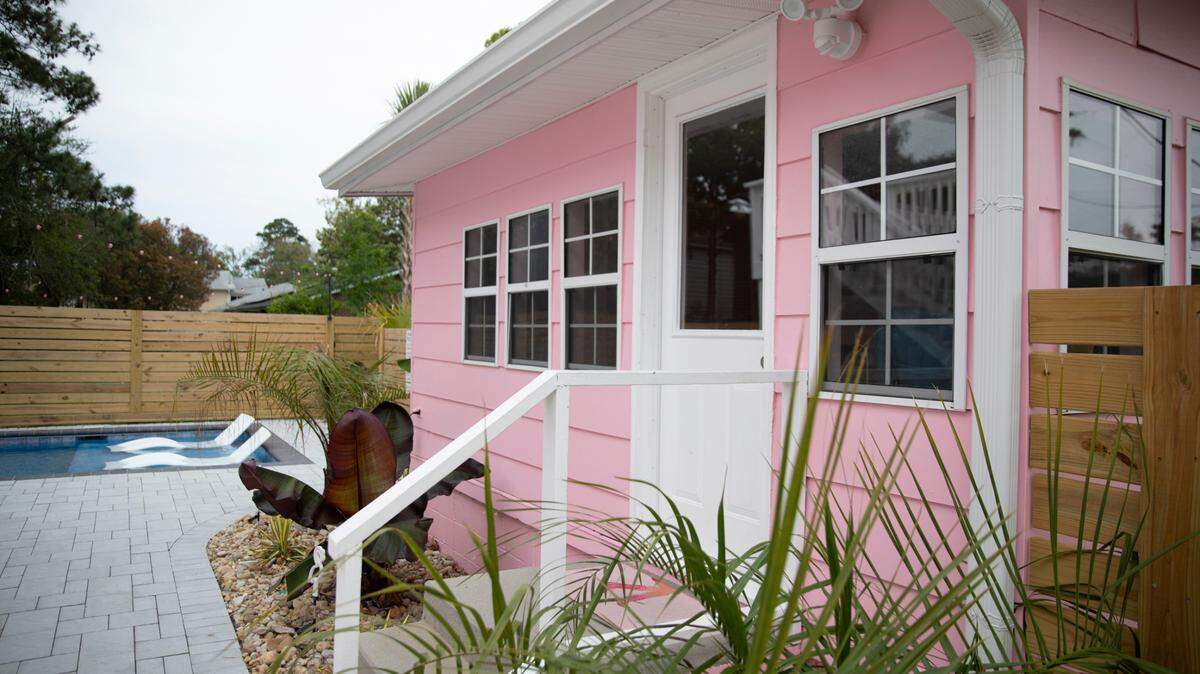
The Better Business Bureau of Eastern Carolinas is warning travelers to be on the lookout for scam listings of rental properties.
Scammers list vacation rental properties, which may or may not be real, on rental platforms like Airbnb or social media sites like Facebook. The agency recently noted that it had received numerous reports of the travel scam this summer vacation season.
The con artists claim to own the property and offer discounts to book with them directly using a digital wallet like Venmo, instead of going through a rental platform. Once payment is sent, the scammer will stop responding and the would-be renter has no way to recover the money.
“As you’re trying to plan one last vacation before summer ends, be wary of fake rental postings,” Mallory Wojciechowski, president and CEO of BBB serving Eastern Carolinas, said in a statement. “Just because a vacation home is posted on a site you’ve used before doesn’t necessarily mean it’s trustworthy. Always read reviews and do your research before booking.”
To avoid scammers and make sure you book a legitimate rental, the BBB recommends consumers:
Use reputable websites: Legitimate platforms like Airbnb and VRBO have policies designed to protect renters from scams. If you encounter a scam on one of these websites, you may be able to get your money back.
Be wary of sellers asking you to book outside of the website: Con artists may suggest paying them directly to avoid platform booking fees as a way to entice renters.
Limit communication to a reputable platform: Avoid sharing personal information or making transactions outside the platform.
Avoid unusual or offsite transactions: Scammers often ask for payment through untraceable methods like wire transfers and prepaid cards. Consumers should stick to making transactions through a legitimate platform’s secure payment system.
Pay with a credit card: It’s easier to dispute fraudulent charges and you have a better chance of recovering your money if you use a credit card for online purchases.
Do your research: Search the property’s address and the owner’s name online and look for complaints and reports of scams. Looking up the address can also help you determine if the listed property is real, though the seller still might not be the real owner.
Save documentation of your booking: Keep copies of your receipt and correspondences with the property owner or rental company.
The BBB’s Scam Tracker is a free database documenting scams and suspected scams online. Users can search other consumer’s reports and document their experiences with scams on the Scam Tracker website.