
Invasive dog-sized lizards roam SC but where do they go in winter? Maybe not far from you
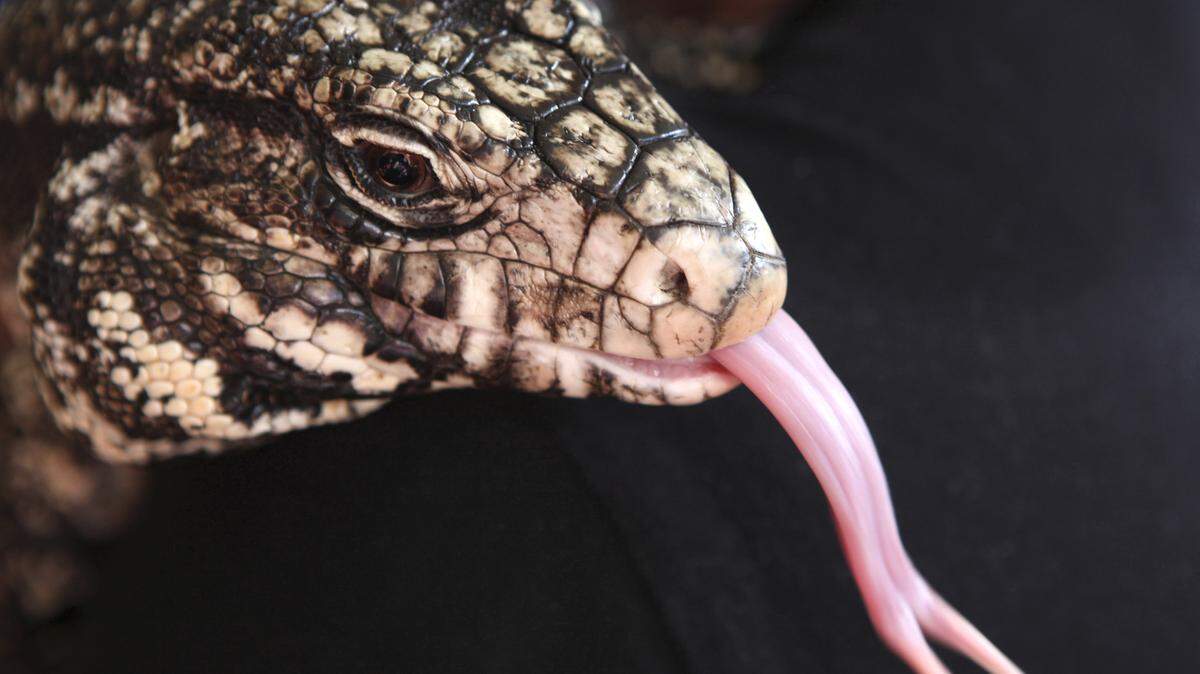
Just where do tegus — lizards the size of dogs — go when winter weather comes to South Carolina?
Two types of the non-native lizards from South America have been found roaming all over the state — the more populous Argentine black and white and the lesser seen red.
When the weather gets cold, they go about their business just as they do the rest of the year — wreaking havoc on the state’s native species: eggs of ground-nesting birds such as quail and turkeys; alligators and gopher tortoises, chicken eggs, fruit, vegetables, plants, pet food, carrion and small live animals, from grasshoppers to young gopher tortoises.
They will eat pretty much everything.
But then when a freeze comes, they scurry into a shallow burrow either they or another animal dug — they are true opportunists. Or they nestle into a barn or under a house.
If it’s a hard freeze for several weeks they will freeze and die, said Andrew Gross, a state herpetologist with South Carolina Department of Natural Resources.
If it’s a day or so, they will simply wait until they warm up and go about their scavenging.
Gross said the Florida Fish and Wildlife Conservation Commission did a study a few years ago in which they captured some tegu and took them to North Carolina.
Researchers put the tegus in dog pens for the winter. About 70% lived.
“If your only goal is to survive, you will,” Gross said.
One thing working against tegu in South Carolina is that because they are not native they do not know how to prepare for the cold weather. Most native animals eat more or stash food.
Tegu end up in the wild generally because people who have kept them as pets let them go. It’s now illegal to have them, except for the pets who were here before the law was passed in 2021. But the law says tegu have to be microchipped. Gross said none of the animals found so far have had microchips.
Gross said so far this year, DNR has recorded six deaths of the Argentine tegu and three red and have received six more reports that could not be verified.
He thinks the state has not reached the threshold of invasiveness. The state’s efforts, especially with the new law, indicate they have a handle on the problem.
This story was originally published December 21, 2023 at 6:00 AM with the headline "Invasive dog-sized lizards roam SC but where do they go in winter? Maybe not far from you."