Is this non-native crab species invading SC? Here’s how you can help researchers
Non-native blue land crabs have been increasingly spotted in South Carolina and the South Carolina Department of Natural Resources (SCDNR) has asked residents to report sightings.
The blue land crabs (Cardisoma guanhumi) are found from coastal Brazil to Florida. Up until last year, the crustaceans were rarely found in South Carolina, with only about a dozen reports since the late nineties. In 2022, SCDNR received an influx of people finding blue land crabs in S.C.
Last year, SCDNR confirmed 53 sightings of the blue land crabs, most in the Charleston area, with some in the Hilton Head area and one in Myrtle Beach.
With recent heavy rain, the crabs are now more likely to leave their underground burrows, said Daniel Sasson, Assistant Marine Scientist with SCDNR.
Here is everything you need to know about these ground-dwelling non-native crustaceans.
How do I identify a blue land crab?
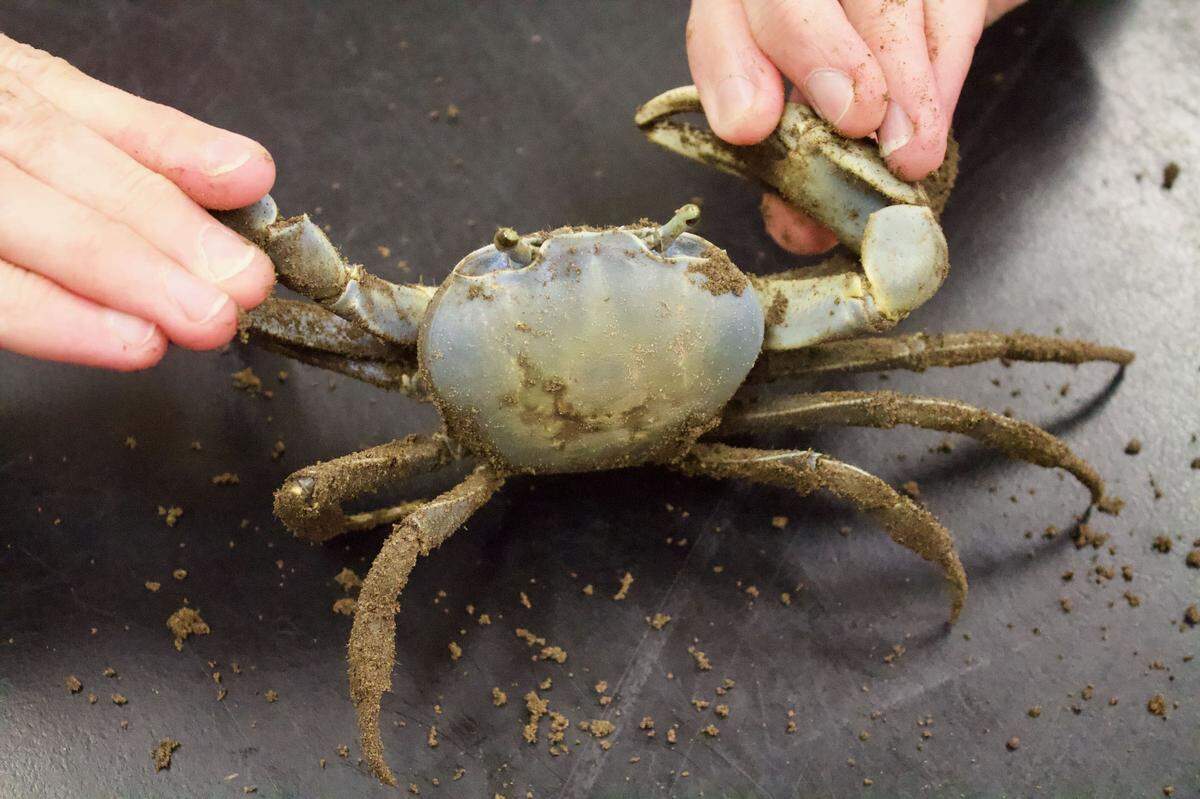
The crabs are up to 6 inches across the body and the colors range from bright blue to red or white hues. They are found within 6 miles of the ocean and usually near a water source and look like a more colorful ghost crab, Sasson said.
What do I do if I spot one?
Take a photo and submit it to SCDNR’s reporting form. You can handle them like you would any other crab. The state researchers use the photos to confirm the creatures are indeed blue land crabs. SCDNR will use this information to learn more about the spread and effect of these crabs in South Carolina.
Are blue land crabs invasive?
SCDNR is working to figure out if these foreign crabs are displacing native crabs or damaging natural habitats. In some of their native territory, blue land crabs can disrupt crops with their up to 6-foot-deep burrows.
Why are people spotting blue land crabs in S.C. now?
Sasson said the crustaceans could have been transported by humans – on the ballast water of a ship or released from captivity. Or they might be expanding their range due to climate change.
“It could be with warming temperatures, they’re able to move up north and establish,” Sasson said.
Researchers are working to determine if there are actually more blue land crabs in the state or if South Carolinians are just seeing them more, Sasson said.