Keep safe on your SC beach vacation. Here’s how to avoid rip currents
Are you more afraid of sharks or rip currents? Maybe you should worry more about the latter, since rip currents kill many more people than sharks.
These powerful ocean forces can pull swimmers far from the beach. Each year, an average of eight people drown in rip currents in the Carolinas.
Whether you’re a tourist or a local who is visiting on a gorgeous day or a threatening one, you should know what to do if you find yourself in a rip current.
Read on to learn how to keep safe on South Carolina beaches.
What is a rip current?
When waves wash up against the shore, that water needs to leave the beach somehow. Sometimes that water can congregate and create a strong stream going back into the ocean. This is called a rip current, or, informally, a riptide.
Rip currents are more likely to be found during low tide and close to structures like piers and jetties.
“This is really just like a treadmill that goes from the shoreline and carries people away into the ocean,” said Steve Pfaff, warning coordination meteorologist for the National Weather Service (NWS) in Wilmington, N.C.
While they move swimmers away from the shore, rip currents don’t pull people under water.
How can I avoid rip currents?
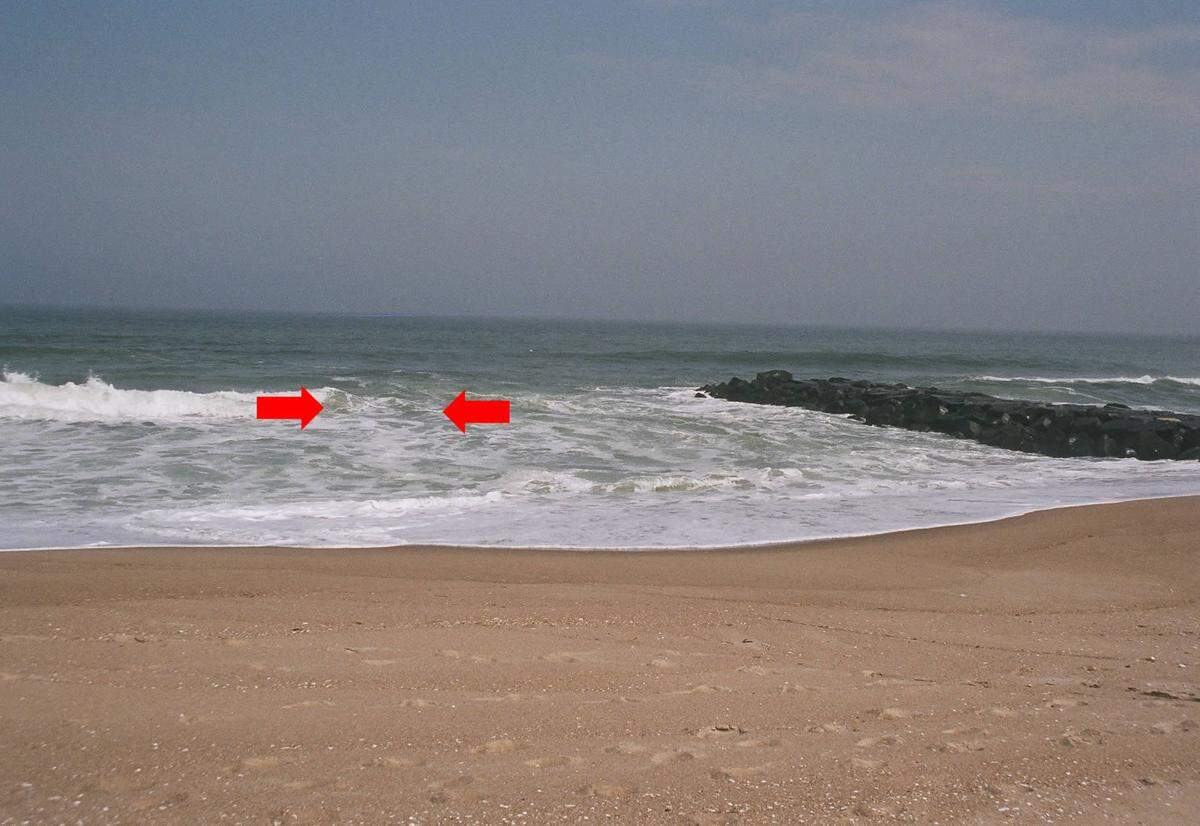
Before you go to the beach, check for warnings for rip currents or other beach hazards on your favorite weather app or the National Weather Service’s website. When you arrive:
Ask a lifeguard if they’ve spotted any rip currents and where you should avoid swimming.
When walking over the dunes, pause and scan the ocean for rip currents. They can be hard to identify, but look for a narrow gap of darker, seemingly calmer water between areas of breaking waves and whitewater. Sometimes you can spot a line of foam or seaweed moving towards the ocean in the rip current.
Swim near a lifeguard tower.
Stay in the white water. A lack of breaking waves could be a sign you’re near a rip current.
What to if in a rip current
It can be hard to tell if you’re in a rip current. If you’re swimming toward the shore and getting tired without making progress, you may be caught in one.
Try swimming sideways to escape the flow. If you can’t escape, float or tread water and wave or yell for help.
What to do if you see someone in a rip current
Sadly, over a quarter of people who drown in North and South Carolina rip currents were trying to help, according to NWS data. If you’re not trained in surf rescues, the best way to help a swimmer in a rip current is by staying on shore. Here’s what you can do:
Alert a lifeguard.
If there isn’t a lifeguard, call 911.
Direct the person to swim along the shoreline to escape the rip current.
If you do decide to go into the water, bring a flotation device like a surfboard, boogie board or pool noodle to give to the swimmer.