They served their time in SC prisons. Now, they’re ‘finding a purpose and life’
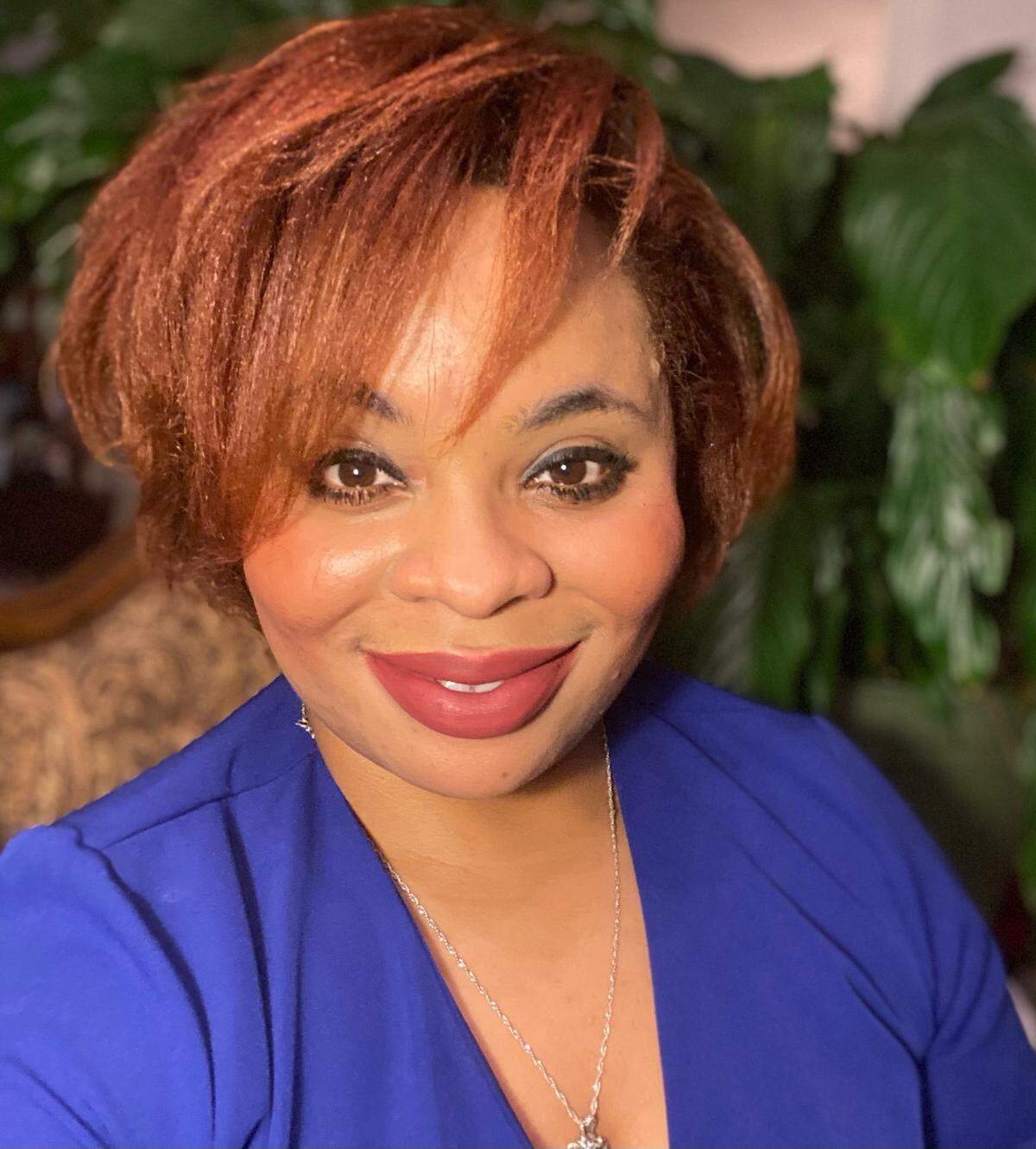
It was as if a lifetime had passed when freedom finally arrived for Gail Pitts.
“There’s no wall there any longer and you can just reach for whatever you want to reach for,” Pitts said as she described what leaving prison in 2018 felt like. “God kept me.”
Pitts was no longer the same Newberry woman who first entered Camille Graham Correctional Center in 1999, serving nearly two decades of her life in the system.
She recalled the hope that swelled within her in the days after her reentry. But she suddenly faced the realities of the years lost and what she had left behind.
Three weeks after coming home, her sister died. Seven months later, her mother died.
Nearly 20 years behind the barbed wire barricade, where her days were spent in reflection and remorse, her sentence had amounted to an undeniable fact that time had marched on without her.
“Reentering society was supposed to be this great thing happening for you, but then you suffer great loss,” Pitts, 63, said. “You want to reestablish yourself, but then the things you’ve hoped for and waiting for are gone.”
For formerly incarcerated individuals similar to Pitts, having a criminal record can, at times, make moving forward feel impossible. Oftentimes, reentry is a temporary stopover between prison, rearrest and reincarceration. But in South Carolina, the cycle is starting to break.
“People don’t care what the charges are, they just know that you are a convicted felon,” said Terri Lawson, who’s been in and out of prison for 15 years. “But if you want to stop the revolving door in and out of prison, you have to help them do something different.”
South Carolina has one of the country’s lowest recidivism rates at 21.9%, according to a recent survey by the Virginia Department of Corrections.
In an interview, state Department of Corrections Director Bryan Stirling said it takes many programs and resources to help people truly leave prison behind when they walk beyond the prison gates. He cites continuing education, state agency and community partnerships that offer vocational and job training as the key. Successfully treating mental health, preparing them for jobs and ensuring a stable environment should be the goal of every state and correctional entity, Stirling said.
Jake Gadsden, who’s in charge of the state prison system’s reentry and rehabilitative services, said that’s why the agency wants to create a regional reentry system.
Finding a stable home, securing a job and obtaining health benefits can be an especially daunting challenge for this population. And while trying to make a new life for themselves, they also must integrate into a society that is often unable to see past their record.
“We’re trying to get to where we can make a seamless handoff from what we do into the community with our community partners, because it’s going to take both of us to watch them to help support them as they go through the transition,” Gadsden said.
‘Jumpstart is the reason for my survival’
Lawson had a plan.
She was to get out of prison, get a driver’s license, find a job and a car. However, Lawson said it was not long before she found herself in the system, again.
After leaving prison multiple times and two years of being homeless — desperate to get off the street — the 55-year-old Easley native said she turned to the only thing she thought could help her survive: selling drugs.
“The system has set you up for failure. If you’re a convicted felon, make no mistake, your life is not going to be easy,” Lawson said.
South Carolina is the only remaining state that imposes a lifetime ban, denying Supplemental Nutrition Assistance Program, or SNAP benefits, to drug offenders. Attorney Bridget Brown said people unfamiliar with the criminal justice system are surprised to learn that the justice system is “cyclical.”
“They truly believe that if somebody commits a crime, then that person can pay the fine or do the time and then it’s done,” said Brown, with the South Carolina Appleseed Legal Justice Center. “And that’s just not the case.”
Lawson, for example, wanted a job, but background checks revealed her prior drug charges. It became a scarlet letter that prevented her from getting the government assistance she needed. She wanted to move forward, she wanted to work and she wanted a home.
But she needed help, and she eventually found it with Jumpstart, a faith-based, community-driven reentry initiative that offers programs addressing the spiritual, educational and emotional needs of residents in 17 of South Carolina’s 21 prisons. Jumpstart also hosts 12 transitional homes where they provide clothing, hygiene, medical and dental needs, and it partners with 30 employers across South Carolina to prepare individuals for the workforce.
“Jumpstart is the reason for my survival this time, and they are the reason that I’m able to start over,” Lawson said, who recently started a new job with the help of the program. “It’s a whole different type of living, somebody’s got to help you get there. If you fail here, it’s because you don’t want to do better. And I do want to do better.”
Each milestone or personal victory also can happen in quiet and private moments.
‘Finding purpose and life’
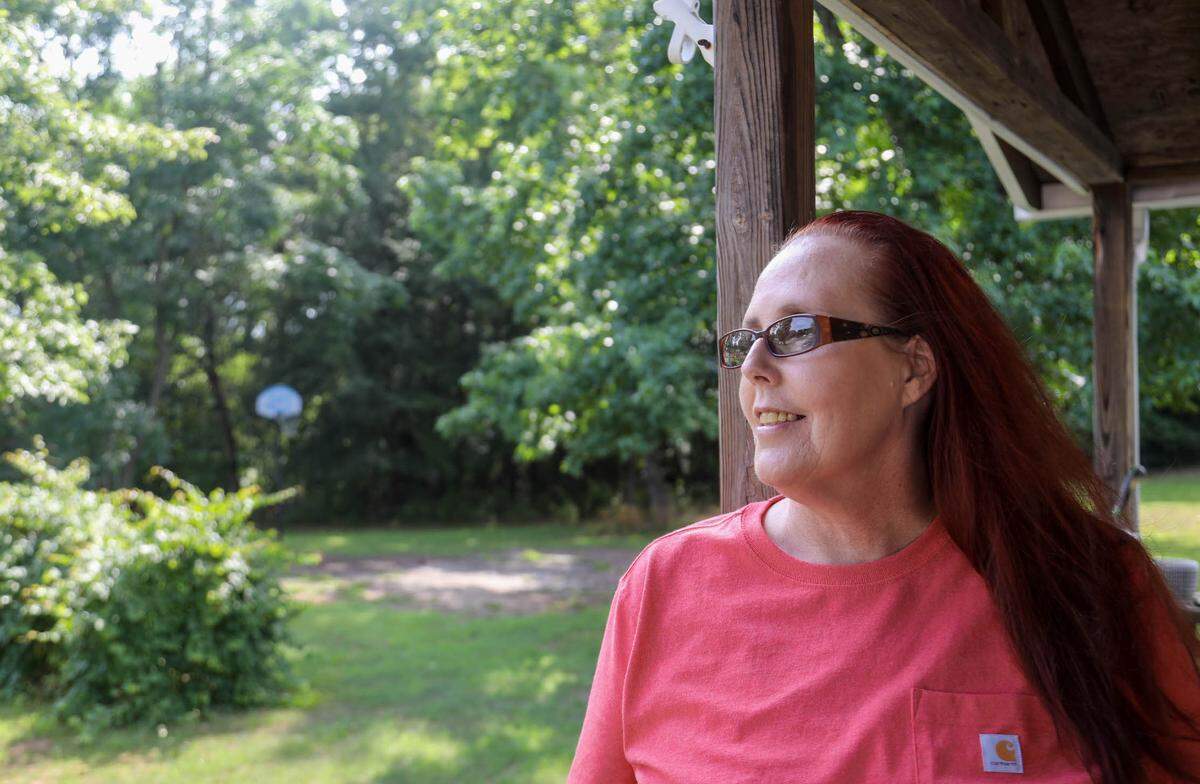
Shannon Gregory stood in the shampoo aisle at Walmart, overwhelmed by the rows of options in front of her.
“I had went four years without making my own choice, my decision for anything,” she said. “I was, in a sense, institutionalized just from four years.”
For Gregory, prison was an unexpected source of relief. Once inside, she could work through her childhood trauma and years of addiction. Confinement gave her the routines and stability she did not know she needed.
“I was enslaved to my addiction, but I was incarcerated in my own mind so when I went to prison I actually found freedom,” she said.
Gregory said she sought every opportunity she could to rehabilitate herself.
Sentenced to 12 years for drug trafficking, manufacturing and distribution, but serving less than half the time, Gregory earned her GED diploma and was named valedictorian at Leath Correctional Institution in Greenwood County. In the four years since her release, Gregory, 42, has graduated from a local technical college with her associates degree in applied science and has a steady job working at a car dealership.
She credits three things to her continued success: the agency’s addiction treatment unit, her participation in a faith-based initiative called Self-Paced In-Class Education and the Kairos Prison Ministry – an international Christian-based ministry offered in 12 state institutions.
“Prison was a blessing to me because it was an opportunity to separate me from my addiction and also old people and places and things,” the Rock Hill native said. “I was finding purpose and life. It was basically God doing for me what I couldn’t do for myself.”
Linda Mack, who’s volunteered with Kairos since 1999 and serves on the state board, said this is her calling.
“There’s still hope for them,” Mack said. “The only thing I know I can do is to plant a seed.”
‘Now that you’re at home, she can rest’
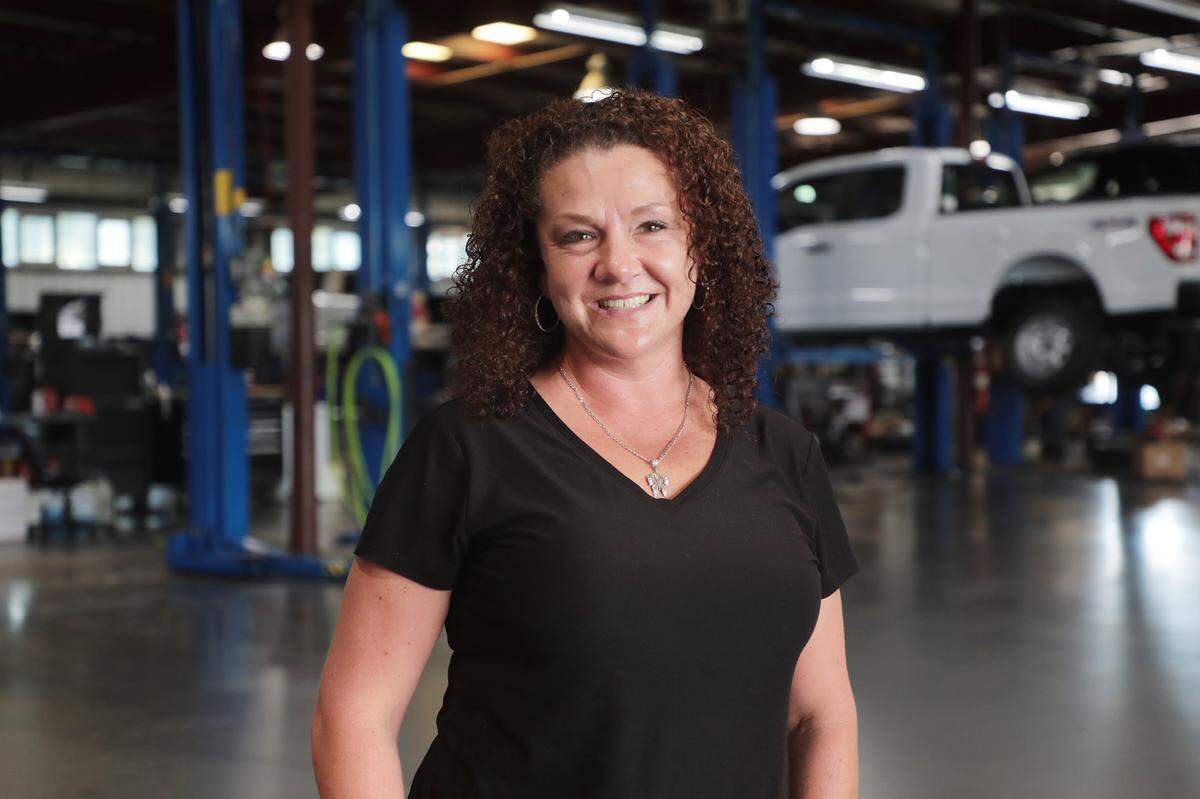
Cary Sanders, now 34, said he was a menace to society when he was an adolescent.
By the time he was 17, he said he had been arrested 17 times. But it was his interactions with strangers who introduced him to Christian principles during his nine years of incarceration that forever changed the trajectory of his life.
“I probably deserved to serve a life sentence in prison for the things that I had done, but people in the community believed in me,” Sanders said.
Now, as Jumpstart’s executive director, Sanders said he’s paying it forward.
“We believe that crime does deserve punishment when someone is rightfully convicted,” Sanders said. “But it’s a lose-lose for the person incarcerated and for the community when their imprisonment precludes them from coming out of prison a better person.”
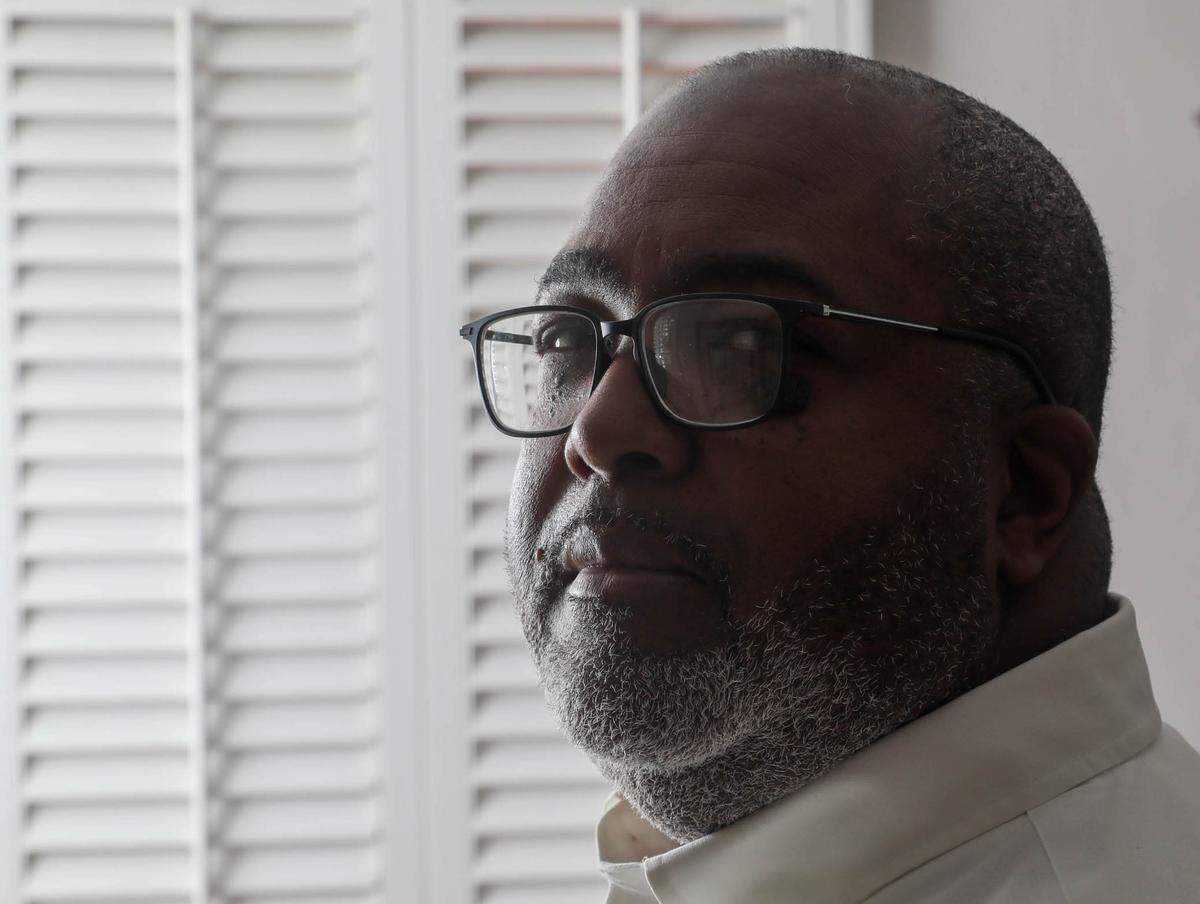
For Matthew Smith, Jumpstart was his new beginning and opportunity to get back to being the father and grandfather he longed to be after 12 years and nine months of incarceration.
With each person leaving Lieber Correctional, his own anticipation about leaving this chapter behind him grew. He had been preparing for this moment for what seemed like a lifetime.
“I made up my mind to go in and do my time and do it positively,” said Smith, 58, who earned his two-year degree in biblical studies from Columbia International University. “I wanted to do my time and get back home with my family.”
Yet in the moments inside his holding cell, dressed in the clothing he had not worn in more than a decade, his release still did not feel real. It would not be until he laid eyes on the loved ones who were waiting a few yards away.
When he pushed his belongings outside of the prison doors and saw his family waiting for him, it hit him. His sentence was finally over.
“It seemed like I had 200 or 300 pounds on me, but at that moment, it seemed like all of that just dropped and there was a sigh of relief,” the McCormick native said. “Life goes on even though it seems like time paused on the inside.”
Smith added, “I can’t get that time back to make amends to some of the ones I hurt.”
And it was in reconnecting with his 86-year-old mother, only seeing her once during his stay, that revealed the magnitude of how it impacted his loved ones. After arriving at the Jumpstart house that evening, he needed to hear her voice again. When he called his sister, he realized the toll his absence took on the one who ushered him into this world.
Smith asked her how their mom was doing.
“She’s asleep,” his sister said, asking, “Do you know mama was serving time with you?”
His voice quivered as he recounted the call and what his sister told him next.
“Now that you’re at home,” she said, “she can rest.”
This story was originally published August 3, 2021 at 5:00 AM with the headline "They served their time in SC prisons. Now, they’re ‘finding a purpose and life’."