Too dangerous for the world? SC lawmakers seek temporary ban on toxic chemical
Several state legislators are trying to stop -- at least temporarily -- a chemical company’s plan to make a highly toxic pesticide in Orangeburg that countries around the world have banned because of its hazards to people and the environment.
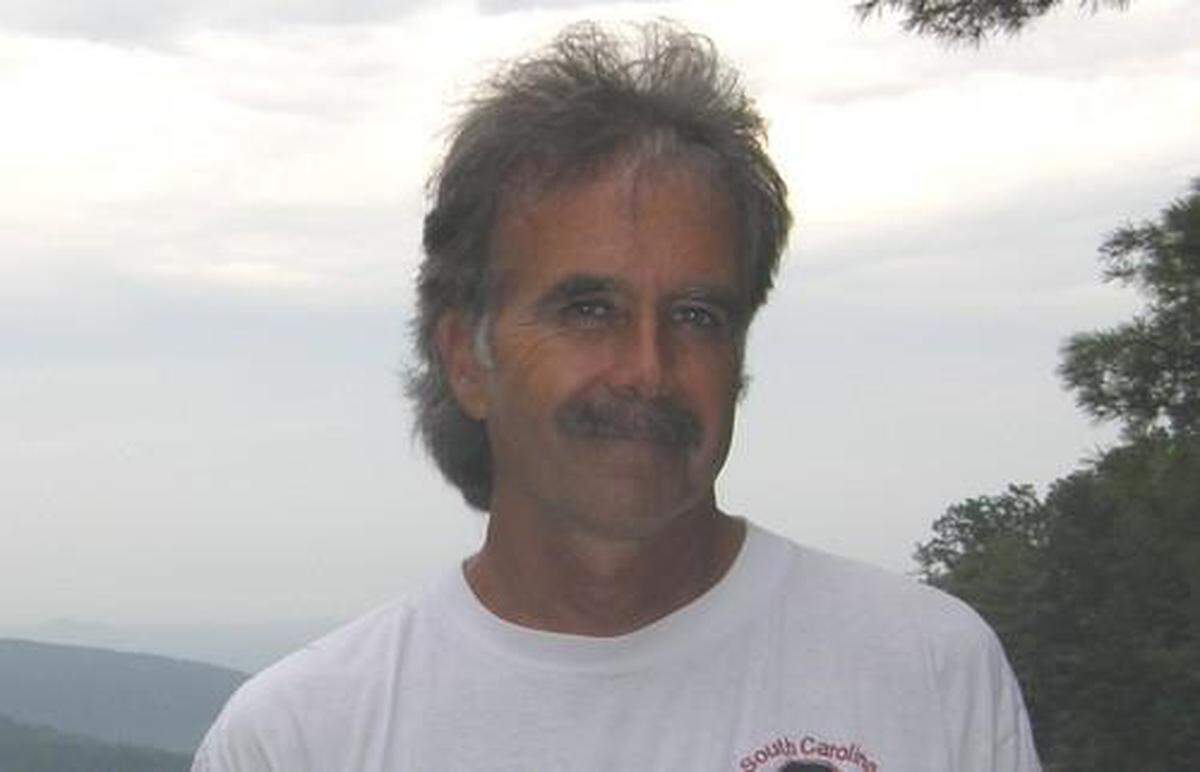
Democratic Reps. Russell Ott and Gilda Cobb Hunter introduced legislation Tuesday to block production of pentachlorophenol at Gulbrandsen Chemicals while the state investigates the danger of manufacturing the potentially cancer causing material. The moratorium in South Carolina would expire in July 2021, according to the legislation.
“It gives us time to get a better understanding of what this is,’’ said Ott, a Calhoun County legislator whose district includes parts of Orangeburg County. “Clearly it has been banned in over 150 countries. We want to give everybody an opportunity to have their say, but in the meantime, this places a moratorium on the production.’’
Pentachlorophenol is a chemical applied to wooden utility poles to prevent bugs from chewing up the wood. But the chemical is a probable human carcinogen so toxic that only certified applicators are allowed to use it. It has been prohibited from indoor use and has been found on hundreds of Superfund cleanup sites across the country.
In North America, the material is made only at a plant in Mexico that will close in 2021 to comply with an international ban on pentachlorophenol. Mexico is among 168 countries known to have signed the international accord. The U.S. is not part of the agreement.
“I certainly am not interested in Orangeburg County being the home of manufacturing a chemical that has the kind of detrimental effects I’ve read about,’’ said Cobb-Hunter, who lives in Orangeburg.
The State newspaper reported Feb. 28 on Gulbrandsen’s plans to make the chemical at its production plant near the North Fork of the Edisto River. Ott and Cobb-Hunter said they learned about the plan on Twitter, before the newspaper’s story. Ott said he had legislative staff draft the joint resolution last week.
It was formally introduced Tuesday. Ott said other lawmakers had expressed concern Tuesday about the plan to produce pentachlorophenol in South Carolina.
Whether the ban passes the Legislature, the S.C. Department of Health and Environmental Control likely would have to approve any change in chemical production that altered discharge permits granted to Gulbrandsen. The company has wastewater and air pollution discharge permits from DHEC, the agency says.
The U.S. Environmental Protection Agency also is considering whether to recertify pentachlorophenol for continued use.
Cobb-Hunter, whose district includes Gulbrandsen, said she was concerned that the toxic chemical could affect poor and disenfranchised people in Orangeburg County. The chemical plant is in a sparsely populated area. A retirement community as well as assisted living facilities lie about a mile south of the plant off U.S. 21.
Gulbrandsen, which has operated a plant in Orangeburg since 1990, has said it is capable of making pentachlorophenol because it has experience working with chemicals. The company issued a news release in January saying it planned to begin production to replace the Mexican operation, saying Gulbrandsen “is filling a national industry need.’’
In response to the temporary moratorium proposed by Ott and Cobb-Hunter, Gulbrandsen president Eric Smith said his company hopes to enlighten the public about production of pentachlorophenol.
“We plan to be a helpful source of information in our community regarding the safe production of pentachlorophenol,’’ he said in an email, issued through a public relations firm.
The company told The State newspaper last week that the process to make the chemical “would be highly automated.’’
A key concern about pentachlorophenol is its impact on production workers. It carries a higher cancer risk for workers exposed over long periods of time than some other types of chemicals, including other wood preservatives. Communities in the northeastern United States have expressed concern about pentachlorophenol washing off utility poles and polluting groundwater.
Beyond Pesticides, an environmental group that tracks chemical use, said South Carolina legislators have made the right call in seeking to hold up production of pentachlorophenol in Orangeburg.
“It’s encouraging to see state lawmakers step in to delay the opening of a new penta plant in South Carolina, but the fact is, it never should have been considered in the first place,’’ the organization said in a statement. “Pentachlorophenol production in South Carolina would harm workers, poison the surrounding environment, and set Orangeburg up as a future Superfund site. The rest of the world has already moved towards alternatives.’’
Those alternatives include using less toxic wood preservatives or relying on non-wooden poles, such as steel or fiberglass, the group said.
This story has been updated.
This story was originally published March 2, 2020 at 3:31 PM with the headline "Too dangerous for the world? SC lawmakers seek temporary ban on toxic chemical."