As COVID cases rise in NC, medicine to keep people out of the hospital in short supply
As the omicron variant of the coronavirus fuels a spike in COVID-19 cases, doctors and other health care providers in the Triangle find themselves without an important tool to fight the deadly disease.
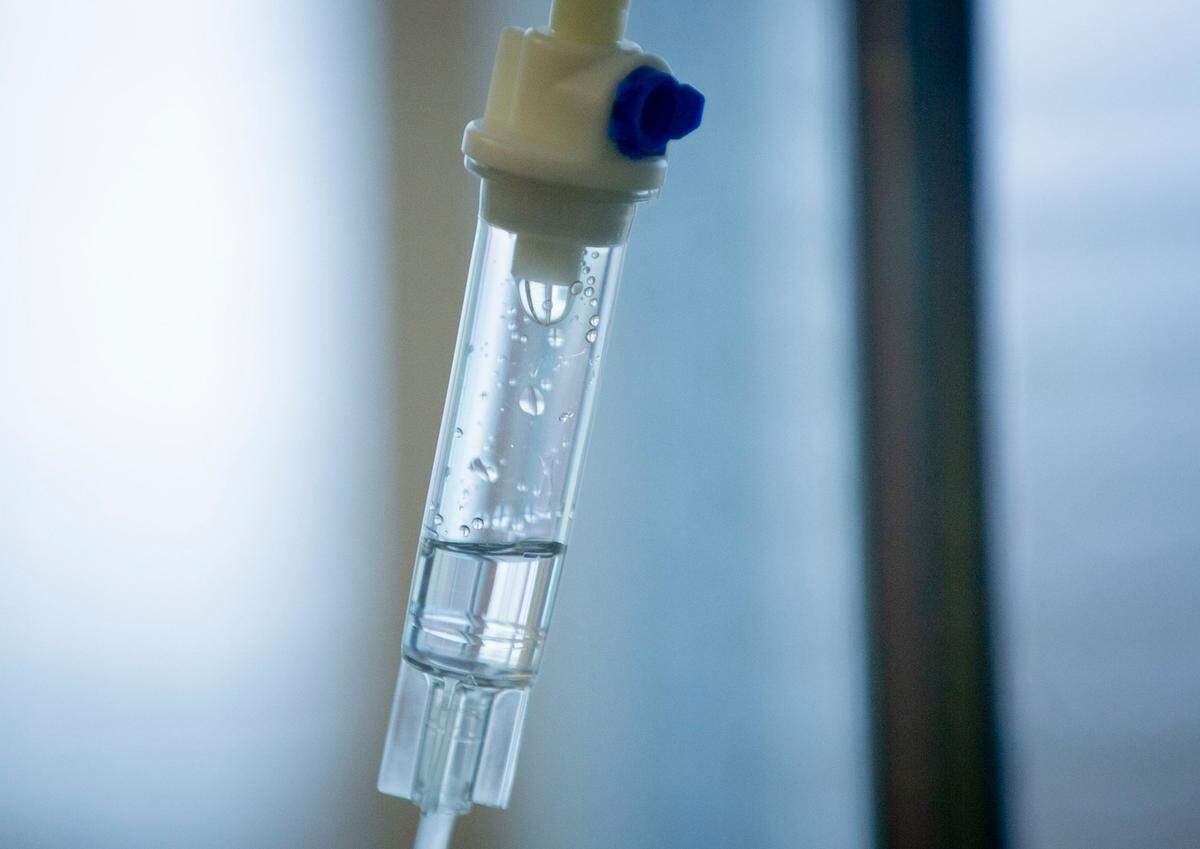
Two of the monoclonal antibody therapies that have helped keep people with COVID-19 from needing to be hospitalized are not effective against the omicron variant, doctors say. And the monoclonal antibody treatment that does seem to work, sotrovimab, is in very short supply in North Carolina.
That has forced hospitals and clinics to reserve their limited allocations of the drug for the people most at risk for getting seriously ill with COVID-19.
That includes older or pregnant patients, those who have had organ transplants and others with suppressed immune systems. It also means people who are unvaccinated, who account for more than 87% of COVID-19 patients who need intensive care in the state.
“Certainly before, we were giving monoclonals to a wide range of patients that we know would benefit from them based on the science,” said Dr. David Kirk, a pulmonologist and critical care specialist at WakeMed. “Now because the monoclonals are so limited, we’re just giving it to the highest of the high risk.”
The same is true at Duke Health and UNC Health. UNC’s monoclonal antibodies website says the Chapel Hill-based system with 14 hospitals across the state is no longer accepting requests for monoclonal antibody therapy because of low supplies.
Dr. David Wohl, an infectious disease expert at UNC, said the shortage reminds him of the early days of the pandemic, when hospitals ran short of masks and other personal protective equipment.
“Right now, we’re back into a situation where there’s insufficient resources for those of us committed to keeping people well and healthy and not succumbing to this virus,” Wohl said. “This is a real frustration point and disappointment for many of us who’ve been in this now for almost two years.”
Patients are frustrated as well.
Candace Lenderman of Raleigh developed body aches, fatigue and other COVID-19 symptoms on New Year’s Day and tested positive the next day. Because of an underlying health condition that forces her to take a blood thinner, Lenderman decided to try to get a monoclonal antibody treatment, something her hematologist also recommended.
The phone line at UNC Rex in Raleigh referred her to StarMed, a Charlotte-based company that operates several monoclonal clinics in the state. StarMed had appointments in New Bern and Charlotte the following day, but Lenderman decided not to go when the winter storm came through.
The next day, she got an appointment at a StarMed in Fayetteville but felt uncomfortable when she arrived. People were getting shots under a tent in a parking lot, she says, and were being asked to spend the hour observation time lying down in their cars. So she left.
Since then, she’s tried Duke, UNC and WakeMed, without any luck.
“If they answered, they didn’t have it,” she said. “Most of the numbers that they gave me set me up to get a vaccine. I don’t need a vaccine; I need this treatment. So it’s been a very frustrating process.”
Monoclonals shortage will last for weeks
Sotrovimab was developed by GlaxoSmithKline and Vir Biotechnology and was authorized for emergency use by the Food and Drug Administration last May. It’s only available through the federal government, which provides allocations to state health departments to distribute.
Demand for sotrovimab has skyrocketed, as it became clear that other monoclonal therapies were not effective against the now-dominant omicron variant. Doctors are now discouraged from using monoclonals made by Regeneron and Eli Lilly unless they confirm the patient is infected with a variant other than omicron, according to the state Department of Health and Human Services.
The federal government has told NCDHHS to expect “low supply and allocation” of sotrovimab for the next few weeks because of a national shortage, according to DHHS spokeswoman Catie Armstrong.
“Currently, demand for sotrovimab exceeds supply,” Armstrong wrote in an email. “This information has been communicated to providers.”
The state health department’s weekly allocation of sotrovimab on Jan. 3 was enough to treat 978 patients. In December, hospitals and clinics administered 14,801 monoclonal antibody treatments in North Carolina, and the number of new cases of COVID-19 confirmed each day has spiked since then.
Shortage coincides with spike in hospitalizations
Monoclonal antibodies are lab-grown proteins that attack viruses and other pathogens. Intravenous infusions of the drugs became available last winter, followed later by a version that could be taken by a series of shots given in one sitting.
More than 89,000 people have received monoclonal antibody treatments for COVID-19 in North Carolina, according to DHHS.
WakeMed was once operating four monoclonal antibody clinics, partly funded by federal grants to ensure the drugs were available in underserved communities. The end of that federal support and the scarcity of sotrovimab has forced WakeMed to scale back its clinics to one or two that operate intermittently, Kirk said.
Knowing that monoclonal treatments would keep some patients out of the hospital and maybe even save their lives make those clinics “fun to run,” Kirk said.
“Those nurses love giving those infusions because they go home every night and say, ‘I kept two or three people out of the hospital today,’” he said. “That’s really impactful.”
The dearth of monoclonals comes as doctors deal with a growing wave of COVID-19 cases. Hospitalizations for COVID-19 in North Carolina have soared in recent weeks, from fewer than 1,100 statewide in mid November to 3,991 on Tuesday, according to DHHS.
Before omicron, monoclonal antibodies were reducing hospitalizations in high-risk COVID-19 patients by 70% to 90%, said Wohl. Now, doctors, nurses, pharmacists and other providers at hospitals and clinics meet almost daily to determine which patients receive the scarce drugs and which do not.
“I think there will certainly be people who are hospitalized because they didn’t get treatment,” Wohl said. “This is why we give the medicine, to prevent these things. And if we don’t have the medicine then you can expect there are going to be bad things that happen to people who don’t get them.”
This story was originally published January 11, 2022 at 11:05 AM with the headline "As COVID cases rise in NC, medicine to keep people out of the hospital in short supply."