
Extra barriers used for BLM, COVID protests around NC governor’s mansion are removed
The temporary fencing around the governor’s mansion in downtown Raleigh — in place for a year — has been removed.
The Executive Mansion, where Gov. Roy Cooper lives, has been frequented by protesters for issues ranging from Black Lives Matter to COVID-19 restrictions.
The mansion was among downtown locations of several Black Lives Matter protests during the summer of 2020 in the wake of the death of George Floyd, a Black man who was killed by Minneapolis police. In June, former police officer Derek Chauvin was sentenced to 22 and a half years for Floyd’s murder.
Protests in Raleigh also centered on the historic State Capitol grounds, where protesters tore down some of the Confederate soldier statues. The remains of the tallest monument and two others related to the Confederacy were removed by the Cooper administration in the summer of 2020. Metal fencing on the grounds remained for several more months after the statues were removed.
In February, ahead of the Capitol grounds fencing being removed, Cooper told reporters that he certainly wants government complexes open to the public.
Safety and threat concerns were cited as the reasoning for barriers remaining in place, after the U.S. Capitol insurrection on Jan. 6 and President Joe Biden’s inauguration.
Earlier in July — six months after the deadly U.S. Capitol riot — fencing was removed in Washington, D.C.
North Carolina’s historic Capitol grounds barriers came down earlier this year, but barriers remained along the block at the Executive Mansion’s front entrance and the State Archives building across the street on Blount Street.
Now they are gone.
Clyde Roper, spokesperson for the N.C. Department of Public Safety, said the “bike racks” were removed the morning of July 18.
“Based upon the current threat environment, it was deemed appropriate by State Capitol Police Chief Chip Hawley to remove the racks at the Mansion,” Roper told The News & Observer via email.
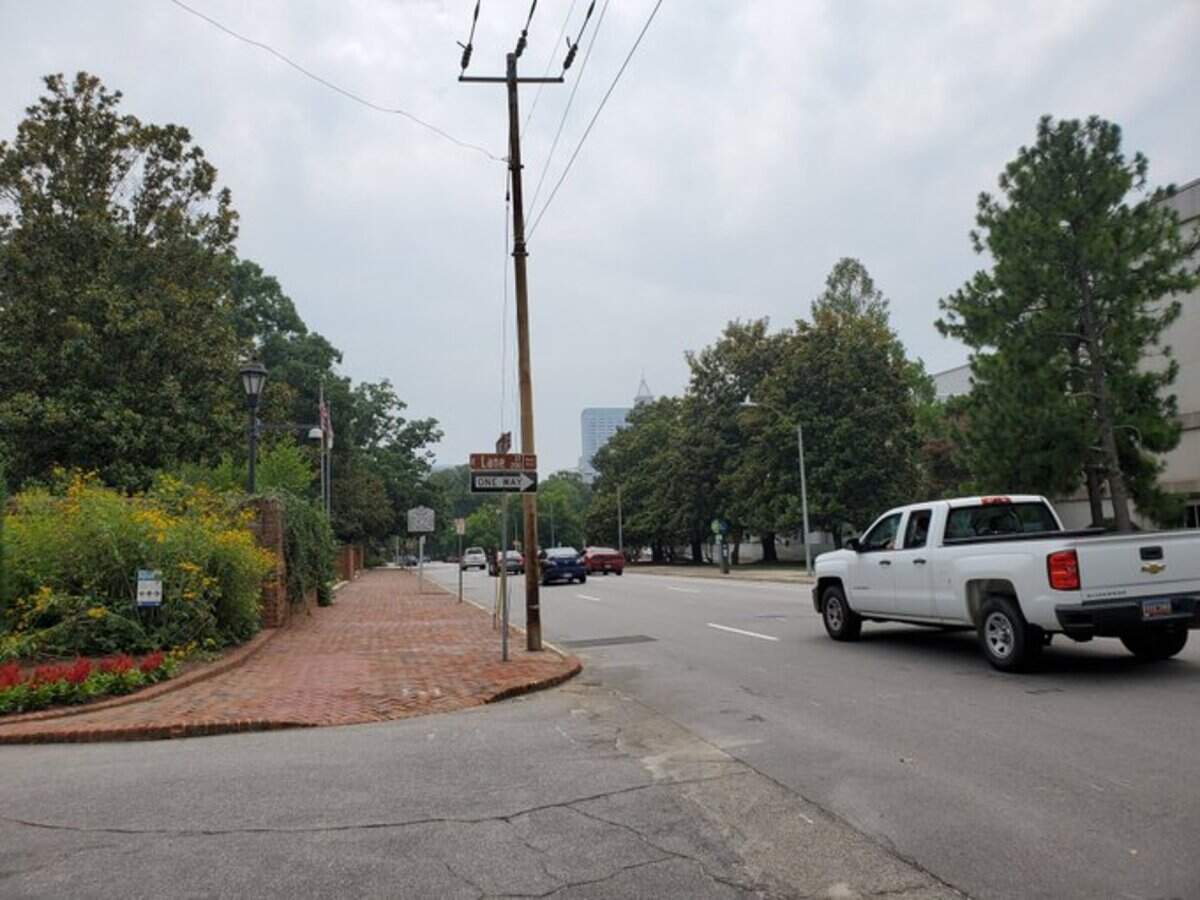
When the barriers were still up, visitors could walk around some of them near the corner entrance gates to get back to the brick sidewalk. Passers-by on Lane Street needed to step into the street or cross to the other side to get around it.
The Executive Mansion already has permanent fencing — a brick wall and metal gates around the property, which spans a block.
On Tuesday evening, the only thing on the sidewalk on Blount Street across the street from the mansion were three electric scooters waiting for customers.
For more North Carolina government and politics news, listen to the Under the Dome politics podcast from The News & Observer and the NC Insider. You can find it at link.chtbl.com/underthedomenc or wherever you get your podcasts.
This story was originally published July 21, 2021 at 10:26 AM with the headline "Extra barriers used for BLM, COVID protests around NC governor’s mansion are removed."
.jpg)