After riot at US Capitol, NC students turn to teachers for answers, assurance, comfort
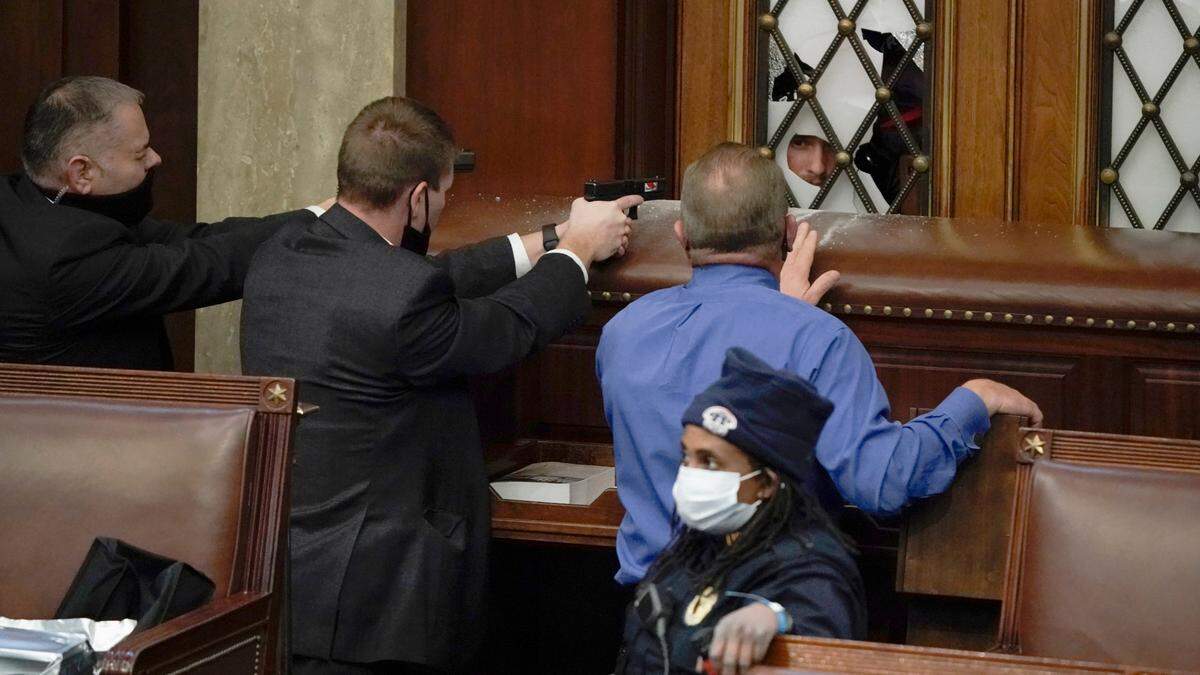
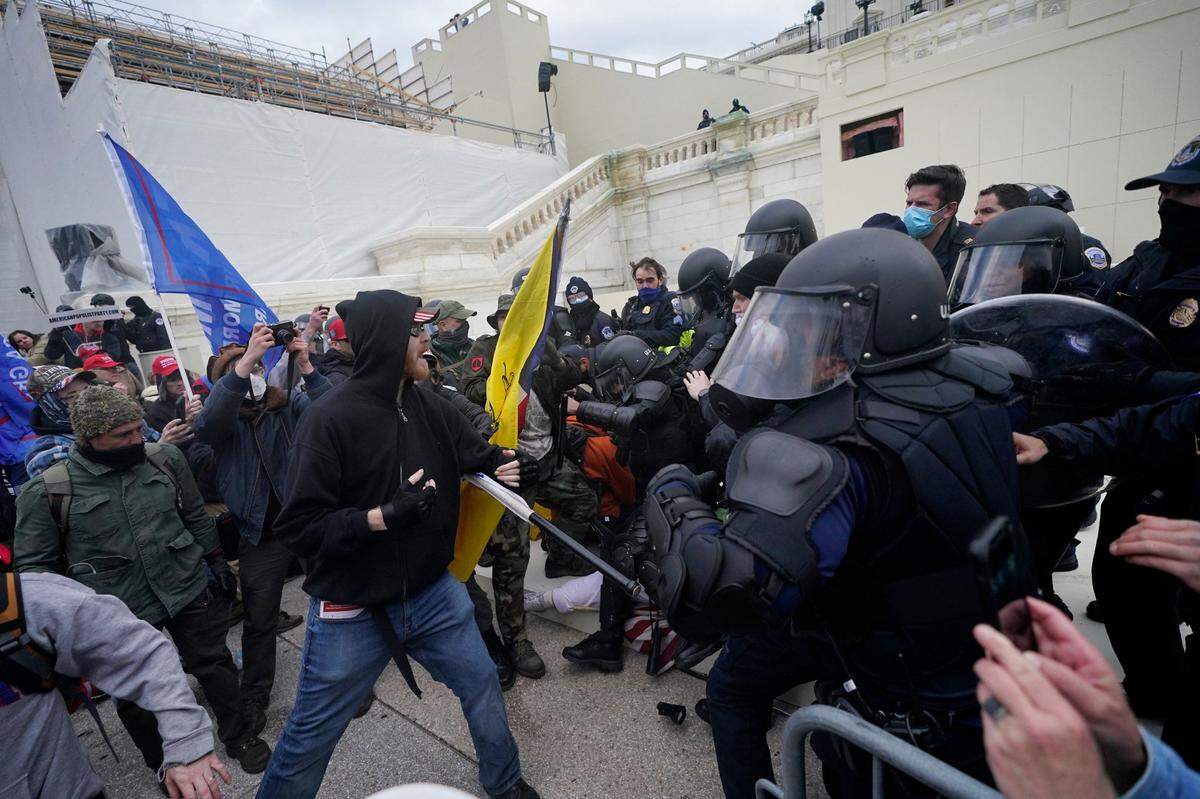
Rioters’ takeover of the U.S. Capitol on Wednesday prompted unplanned civics lessons in classes across the area on Thursday as students and teachers tried to process what they had witnessed.
In online forums such as the North Carolina Teachers United Facebook group, educators shared ideas on how — and whether — to talk with students about events that played out for hours on television news broadcasts and live streams.
Some who posted online said teachers should leave all discussions about the assault on the Capitol by supporters of President Donald Trump to parents, saying teachers couldn’t discuss the events without injecting personal political biases.
But Chris McCabe, northern area superintendent for the Wake County Public School System, took to Twitter to say teachers were exactly the right people to help put Wednesday’s events into perspective.
“Today our great teachers will have the daunting challenge of walking our students through the horrific and unsettling events that occurred in our Nation’s capital last night,” McCabe wrote in a a post early Thursday morning. “Even in times of crisis, it is an honor to teach the next generation!”
He followed up by sharing a link to a list of resources on the topic from California-based Education Elements, which works with more than 1,000 schools and districts across the country.
A watershed US history moment
Teachers’ approaches varied depending on the age of their students and the subject matter they teach.
Corneille Little, who teaches art to students in kindergarten through 5th grade at Poe Magnet Elementary School in Raleigh, said that she started her first class Thursday morning — a group of 4th and 5th graders — the way she always does, with the students making positive declarations about themselves.
“Some of them were upset with what they had seen yesterday with the rioting,” Little said. “So they chose words like, ‘I am calm. I am strong. I am peaceful,’ to kind of offset the anxiety that was in their emotions about that.”
Little and other teachers compared Wednesday’s events to other watershed moments in American history: the assassination of Robert F. Kennedy, the Challenger disaster, the 9/11 terrorist attacks.
“I think all of us will remember where we were and what we were doing when we saw the U.S. Capitol Building invaded by insurrectionists,” said Tripp Jeffers, a 26-year classroom veteran now teaching history, government and philosophy at Parkland High School in Winston-Salem.
Jeffers said that in his classes, he often reminds students that, “history is not the past. History is our recollection of what has happened to us in the present. It unfolds before us everyday before our eyes.”
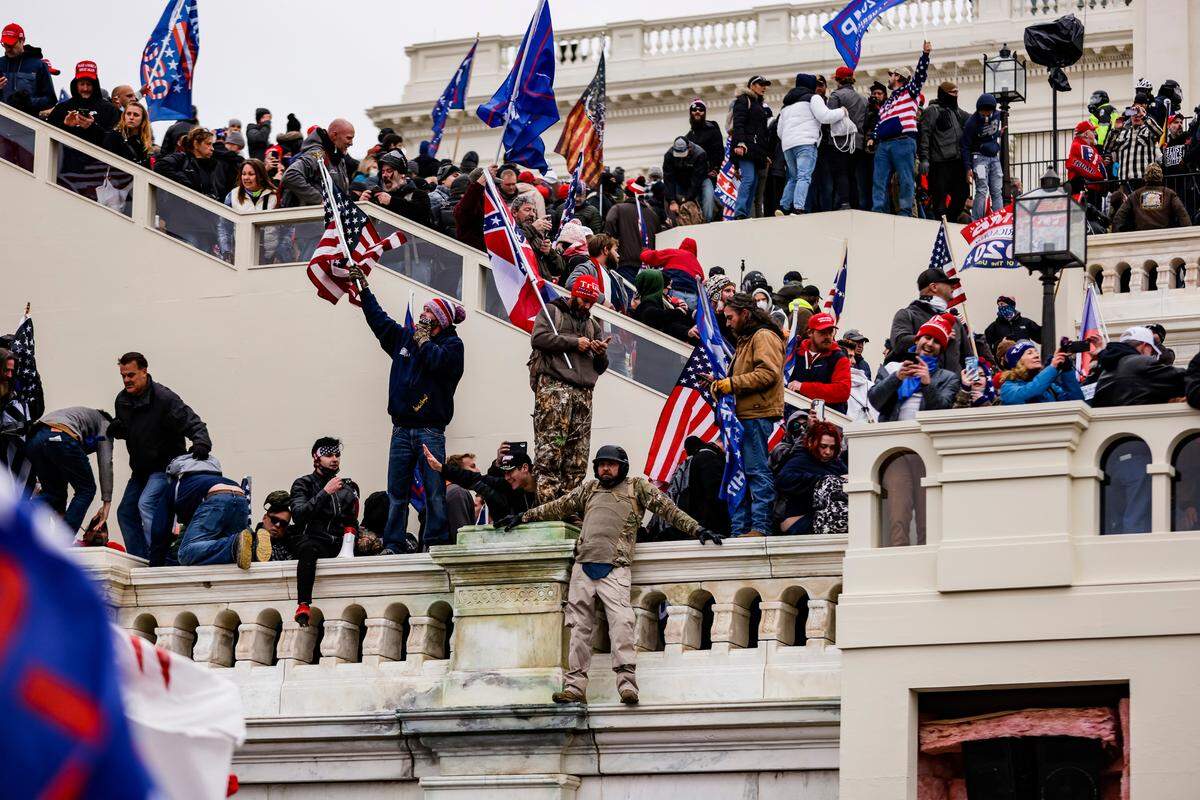
The takeover of the Capitol, during which rioters scaled the walls of the building, battered open the doors and vandalized the halls of government in their anger over Trump’s loss to Joe Biden in the presidential election, proved the point, Jeffers said.
“It was almost surreal to watch and yet entirely real at the same time,” Jeffers said. “It’s a logical extension of the white rage that the president has been cultivating since before he was even president. ... That was on full display yesterday, when a Confederate flag was brandished inside the Capitol. Confederates weren’t even able to do that during the Civil War.”
Jeffers had not talked with his students yet; they had not yet returned Thursday from their winter break. When they’re back, he said, he plans to concentrate as much on listening as he does on talking.
“They will have feelings about this and they will need to process this and they may or may not have anyone to talk with about it,” Jeffers said. “Teachers, more than anything, have to be an anchor for their students in a very tumultuous sea as they try to pursue knowledge and try to understand the world around them. There are plenty of things we have to sort of be objective and unbiased about. But there are some things that require a moral imperative, and this is one of them.
“You can’t be unbiased about slavery as a stain on history, or fascism as the scourge of the 20th century. You don’t teach about World War II and say, ‘Well, there were really great people on both sides.’
Jeffers said he’ll be having a discussion with his students about terms like sedition and listening to their concerns.
‘Potential for them to be afraid’
Annie Harrison is a 4th-grade teacher at Forest View Elementary School in Durham. Her students have Wednesdays off, but when they logged on Thursday morning, she let them tell her what they were feeling during the first half-hour of class, which is always used as a social-emotional wellness check.
“When things happen I tend to let them steer the conversation a little bit,” Harrison said. Right away, “One of the kids said, ‘Did you see what happened on the news?’ And I said, ‘Yeah, what did you see?”
“He said, ‘People were fighting inside the Capitol.’”
Harrison said that at their age and education level, 4th-graders have a rudimentary understanding of government and of laws. Because some of the students had seen the chaos and were concerned about it, she honed in on their specific fears and dealt with those as factually and simply as possible.
It’s important, she said, when working with young children to use concepts they understand from their own experience.
Harrison said she asked the student if he understood why people were fighting at the Capitol, and he said no.
“I think that’s the biggest problem,” she said. “They may have seen it for a few seconds while their parents were watching, and they don’t fully grasp it, so there is a lot of potential for them to be afraid.”
Harrison said she told her students to think about how they feel “when you are so angry about one thing that you yell at anyone who comes near you, and you do things you would not normally do.”
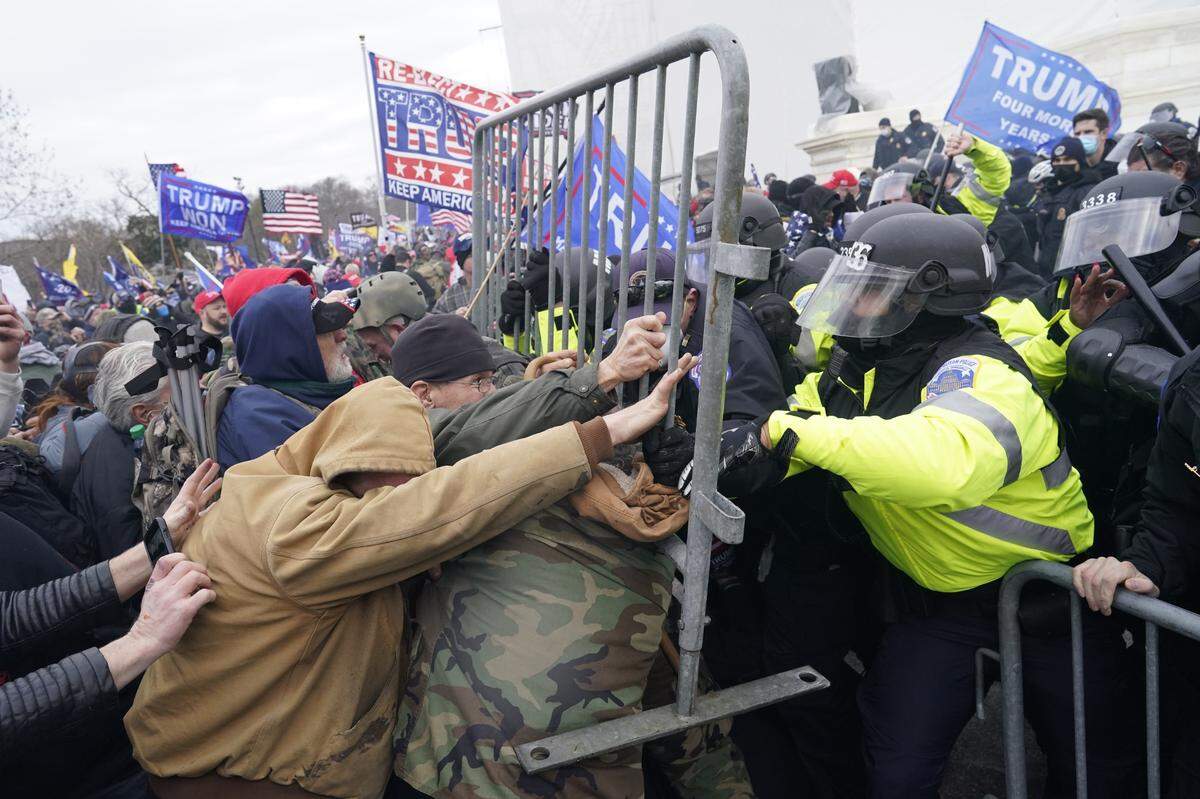
Sometimes, she told them, when people are angry they do things that are not allowed, and that’s what some of the protesters did.
“They kind of got that,” she said.
Harrison said it’s upsetting for young children to see adults behaving in ways that children themselves are told not to.
“At 41, it’s hard for me to understand,” Harrison said. “At 9 it must be ridiculous, when you don’t think adults will act like this and then they do. It’s contrary to what they know of adults.”
Harrison said her students were handling the events better than she expected, especially in a year when they have also had to deal with the pandemic.
“For them, they want facts. They want to know: This is what is happening. This is what should be happening. And this is why,” she said. “And mostly, they just need to know they’re going to be OK.”
How to talk with students
Some school districts and online educational consultants have offered guidance to teachers and principals on how to talk with students about the takeover-by-force of the U.S. Capitol on Wednesday.
▪ Let students know about resources available to them, including school counselors.
▪ Don’t engage with students in conversations about personal opinions about political parties or individual elected officials or candidates.
▪ Allow students to say how they feel about the insurrection and what is happening in its aftermath. Ask if there are particular moments or images that stand out to them, and why.
▪ Ask students what issues of right and wrong, fairness or injustice, are raised by the events at the Capitol.
▪ If appropriate for the age group, talk with students about U.S. election processes, including the electoral college and the voter verification process. Talk about the words “protest,” “coup,” “domestic terrorism,” “sedition” and “insurrection,” and ask them to decide for themselves what they think happened based on several sources of information.
News & Observer staff writer T. Keung Hui contributed to this article.
This story was originally published January 7, 2021 at 6:14 PM with the headline "After riot at US Capitol, NC students turn to teachers for answers, assurance, comfort."