
State government took over this small NC town. What does that mean for its future?
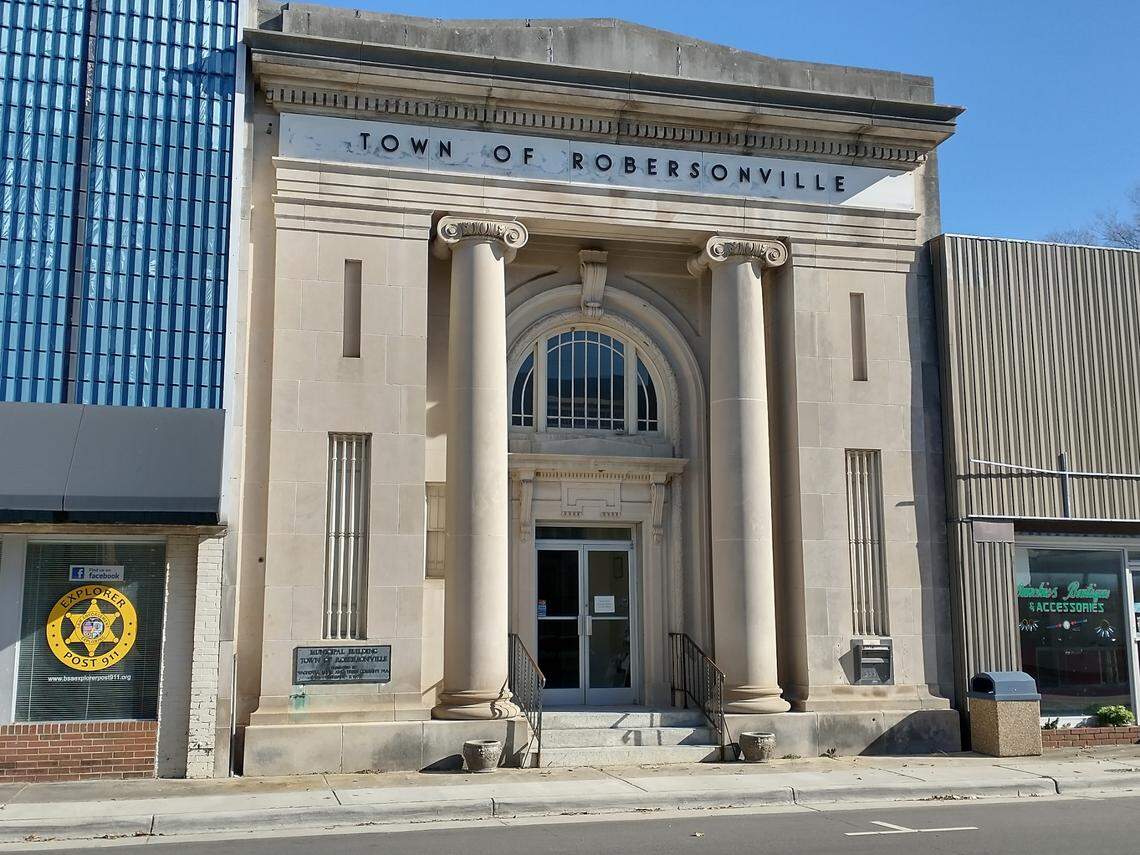
There’s no “under new management” sign posted at the town hall in Robersonville, but inside the building, staffers from the Local Government Commission in Raleigh are in charge of the small Martin County town.
It’s one of several local governments recently taken over by the state because of financial problems — namely, years of failing to conduct and submit required annual audits.
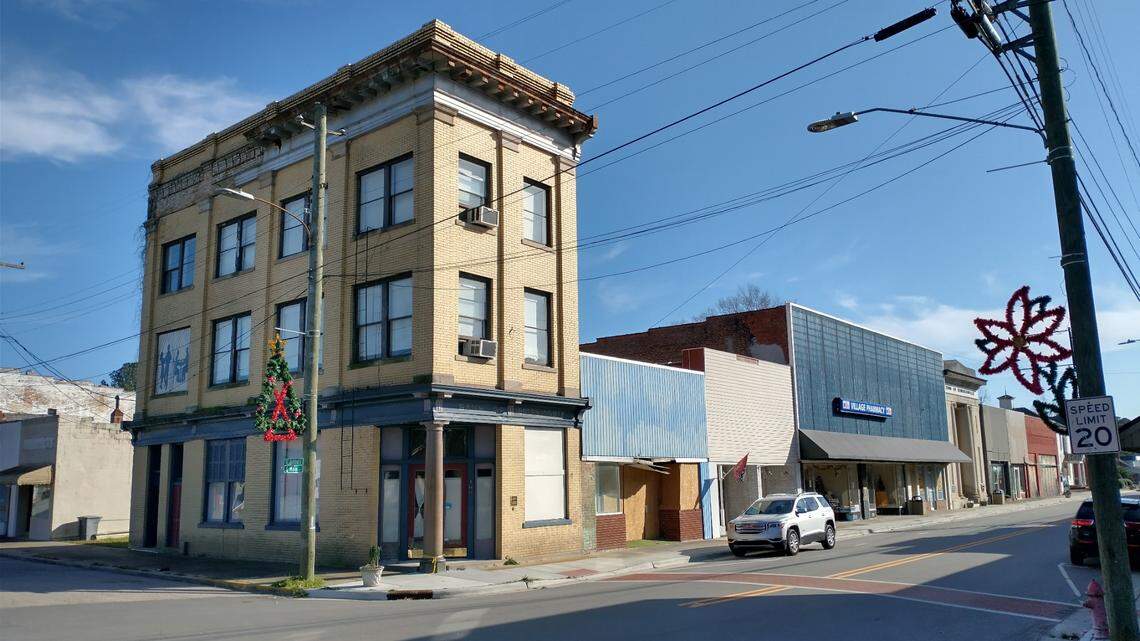
From the outside though, Robersonville’s operations don’t look much different. Residents still pay their utility bills in the drive-through of the former Wells Fargo bank that serves as town hall, and public works crews still put up the town’s Christmas decorations last month.
But Mayor Tina Brown says the town’s accounting problems prevent it from tackling the problems facing many small towns across North Carolina.
Robersonville can’t spend money to fix crumbling streets and sidewalks, and it can’t tackle the blighted, abandoned storefronts that make up the majority of its historic downtown. It can’t apply for any of the state grant programs designed to help rural communities.
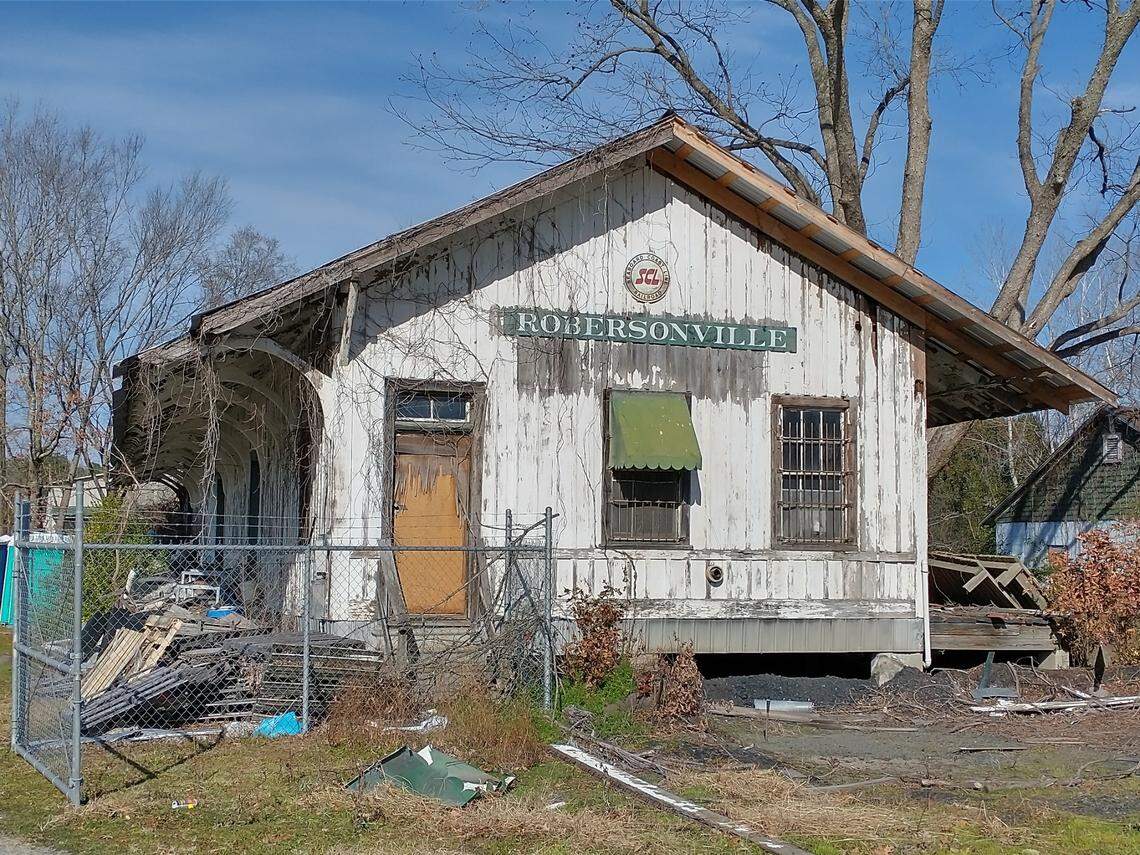
Brown wants to attract a hotel — the town is directly alongside U.S. 64 on the way to the Outer Banks — but new businesses want to see a more stable municipal government before moving to town.
Before that happens, commission staffers have to untangle the budget and bank accounts to ensure Robersonville isn’t spending more than it brings in.
“How do we know where we’re going if we don’t know where we are?” Brown said. “It’s kind of difficult when you don’t know where you are financially.”
Brown, who runs a local food pantry, was elected mayor in 2019 and says she’s not sure exactly how things got behind. It stems in part from an outdated accounting system and staff turnover.
The Local Government Commission is dealing with an increasing number of towns that haven’t had audits in years. It took control of the Cleveland County town of Kingstown, and it could take similar steps in the future with the Scotland County town of East Laurinburg and the Bertie County town of Askewville.
State Treasurer Dale Folwell, who chairs the commission and oversees its staff, sees a larger trend that he wants the legislature to tackle as “bill number one” this year.
One idea Folwell wants to consider is changing some towns to a “historical charter,” where they keep their community identity but don’t have taxing and spending powers. He said he hasn’t developed details of how the charter change would work or who would take over a government’s services.
“We can’t find long-term solutions to depopulation, we can’t find long term solutions to lower per-capita incomes, but we can play a part in finding long-term solutions where we can get synergies with other local governments,” Folwell said.
North Carolina has 552 municipalities, and 218 of them have a population of less than 1,000 people. Some are having difficulty attracting elected leaders and staff.
East Laurinburg, which hasn’t submitted audits for three years straight, proved difficult for the commission to reach because no one was answering the phone at the town hall.
During the last municipal election in 2019, only one candidate signed up to run for the three open commissioner seats. One person ended up winning as a write-in candidate with just five votes. Reached last week, East Laurinburg Mayor Marshall Stevens referred all questions from the NC Insider to the town’s bookkeeper, who did not return a phone call.
One challenge facing the state’s struggling rural municipalities is that they were founded under much different circumstances. East Laurinburg, for example, is separate from the adjacent city of Laurinburg because it was originally a company town where a textile plant built and owned the houses. Laurinburg, which has 50 times as many residents as East Laurinburg, already provides the smaller town with services like trash pick-up and sewer.
While a switch to a historical charter could be attractive for towns with few services, Scott Mooneyham of the N.C. League of Municipalities cautioned that it likely wouldn’t fix many of the larger underlying issues facing rural communities.
“These are extremely complicated situations,” he said. “I think that to look at that in a comprehensive way that could work is going to require a lot of input from a lot of people. ... It would be good to have a lot of discussion about this before people actually begin to put legislation and bills forward.”
The legislature has already sought to tackle the utility side of the problem with the Viable Utility Reserve fund, which helps communities where the water and sewer systems need major upgrades to remain functional.
The first recipients will be Eureka (Wayne County), Bethel (Pitt County) and Kingstown (Cleveland County) and the Cliffside Sanitary District (Rutherford County). All but Bethel have had their finances taken over by the commission. But Folwell also wants to tackle the issues of shoddy accounting.
Some small towns struggle to attract and keep qualified finance officers, or they’re reluctant to pay an outside accounting firm for the required annual audit. Missing audits can make it hard to determine if a town is spending more than it’s taking in, and it could make it easier for someone to steal or mismanage the money.
Folwell wants to create a tighter deadline system for audits so towns don’t fall as far behind before the state takes action. And he wants to see more training for finance officers and more assistance in fulfilling audit and budget responsibilities. The League of Municipalities recently added four “municipal operations consultants” who travel the state to help out.
Meanwhile, the town takeovers are stretching the Local Government Commission’s staff thin. Two of its 18 employees are working on Robersonville full-time, and getting the finances to a point at which local control can return could take over a year.
While that process continues, Robersonville’s already high water and sewer rates will increase again in 2021 to make ends meet, Brown said.
“With all of these things going on and high utilities, we won’t be able to keep people here,” she added.
The Census Bureau estimates that Robersonville has lost a tenth of its population between 2010 and 2019, with about 1,300 residents in a town that once boasted nearly 2,000.
While she’s welcomed the outside help, Brown says the town staff is in “an uncomfortable situation because they don’t know where they stand. They don’t know if we’re cutting jobs or hours or pay.”
And even smaller neighboring towns are also watching the situation. The town of Parmele relies on Robersonville for utilities, and the town of Everetts recently got a state grant to merge its struggling sewer system with Robersonville. That project is now on hold, Brown said.
“It’s just like we’re at a standstill.”
For more North Carolina government and politics news, listen to the Domecast politics podcast from The News & Observer and the NC Insider. You can find it on Megaphone, Apple Podcasts, iHeartRadio, Stitcher or wherever you get your podcasts.
This story was originally published January 11, 2021 at 9:00 AM with the headline "State government took over this small NC town. What does that mean for its future?."