UNC-CH trustees vote to lift moratorium on renaming buildings and memorials on campus
The UNC-Chapel Hill Board of Trustees voted Wednesday to lift a 16-year moratorium on the renaming of buildings and historical places on campus, particularly those tied to a racist or white supremacist history.
“This is a time for us to say ‘let’s lift the moratorium ... and allow the freedom to move forward,’” Trustee Teresa Artis Neal said. “Things have changed enough, the temperature of the country has changed enough. It needs to be lifted.”
The decision comes on the heels of more than two weeks of protests, including at UNC-CH, of police brutality and systemic racism, as well as direct criticism of Confederate monuments. The trustees also noted mounting public pressure to lift the moratorium that has come through petitions and direct communications from students and the Carolina community.
At the meeting, Board Vice Chair Gene Davis mentioned how Dr. Martin Luther King Jr. spoke about the arc of the moral universe bending toward justice.
“There are moments as it bends when there are huge leaps forwards towards justice,” Davis said. “This is in my view, as a nation and as a world, one of those moments. And we need as a university to lead on it.”
Lifting the moratorium is part of that, he said.
Chris Suggs, UNC senior class president and leader with the UNC Black Student Movement, said he’s grateful for the decision, but it’s only a start.
“It’s a step in the university starting to rectify and reckon with its really dark and harmful history, which includes the numerous buildings on campus that are named after enslavers and white supremacists,” Suggs said.
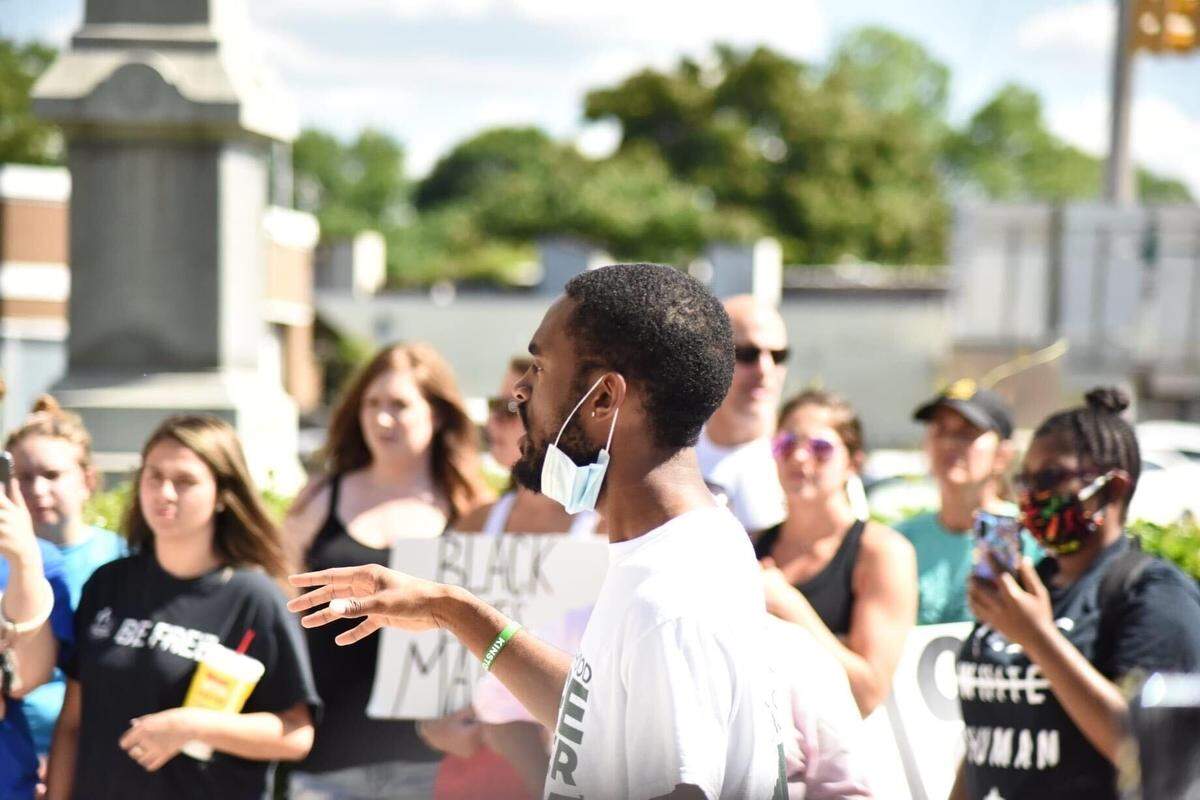
But it shouldn’t have taken this long, he said, and it shouldn’t have required national outrage.
“This is definitely a little disappointing that it took a national movement demanding justice for Black lives … in order for our university to step up to the plate and do something that students and community members have been advocating for for much longer,” Suggs said.
Specific buildings not discussed
The trustees did not discuss potential changes to specific buildings or monuments at the emergency board meeting Wednesday, which was held virtually.
The board voted in 2015 to freeze the renaming of any historical buildings, monuments, memorials and landscapes until 2031. That decision was made alongside a vote to rename Saunders Hall on campus to Carolina Hall. At the time, the university also created a task force to explore options for how to provide education and present UNC’s history in physical locations on campus.
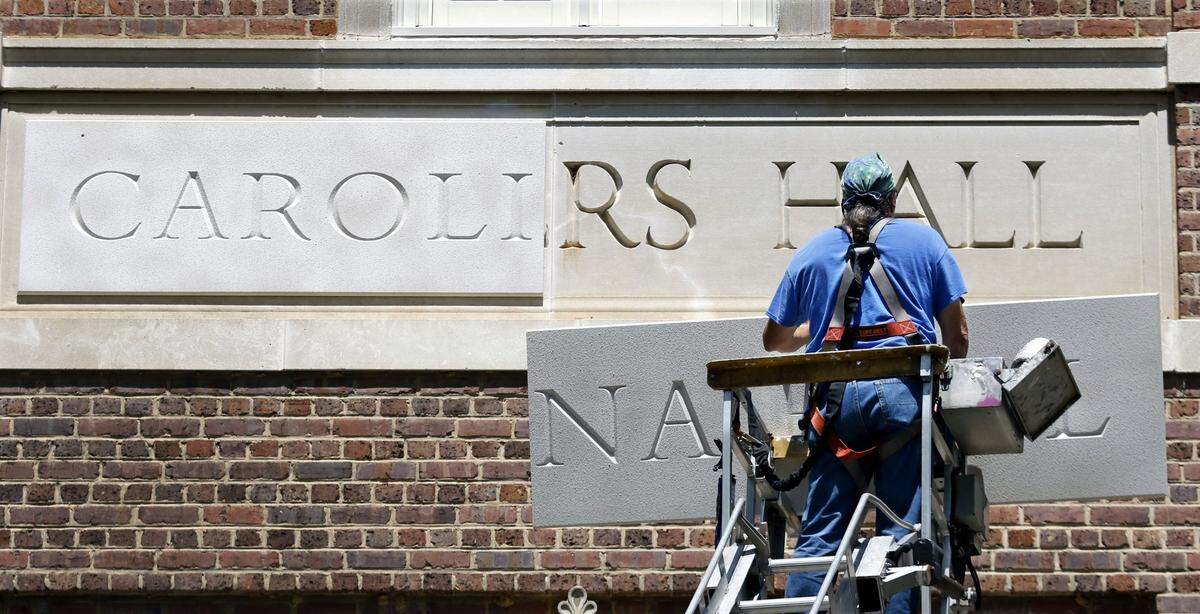
Saunders Hall was named for William Saunders, a former member of the board and purported leader of the Ku Klux Klan. There is now an exhibit at the building that examines Saunders’ life, racial turmoil during and after Reconstruction and the contemporary student movement that led to the renaming, the News & Observer previously reported.
Student and faculty activists have identified and openly criticized about 30 places on campus they say are “dedicated to enslavers and white supremacists,” including Kenan Memorial Stadium.
UNC history students and their professor created an online map of UNC buildings named for individuals connected to slavery or white supremacy. They also wrote essays detailing the histories of the buildings and their namesakes.
Other prominent buildings on UNC’s campus named after people that professors and students have identified as slave owners or white supremacists include the Carr Building, Ruffin Residence Hall and Aycock Residence Hall.
Aycock Residence Hall was named after former North Carolina Gov. Charles Aycock, a UNC alumnus who promoted a white supremacy campaign that targeted and suppressed black voters, the News & Observer previously reported. Several universities, including Duke University, East Carolina University and UNC Greensboro, have removed the Aycock name from campus buildings.
Trustee Ralph Meekins made clear that he’s learned new information about these buildings and the individuals they’re named after. And he wants students and the community to know that they are listening and willing to make change.
“Our country is in turmoil. We’ve got serious issues we’ve got to address,” Meekins said. “It’s very easy to say we’ve got to act and we need to act now.”
He said lifting the moratorium is an easy decision and should be followed by an in-person discussion of how far they will go in changing names at the university.
Trustee apologizes after ‘prison remarks’
Not all trustees agreed.
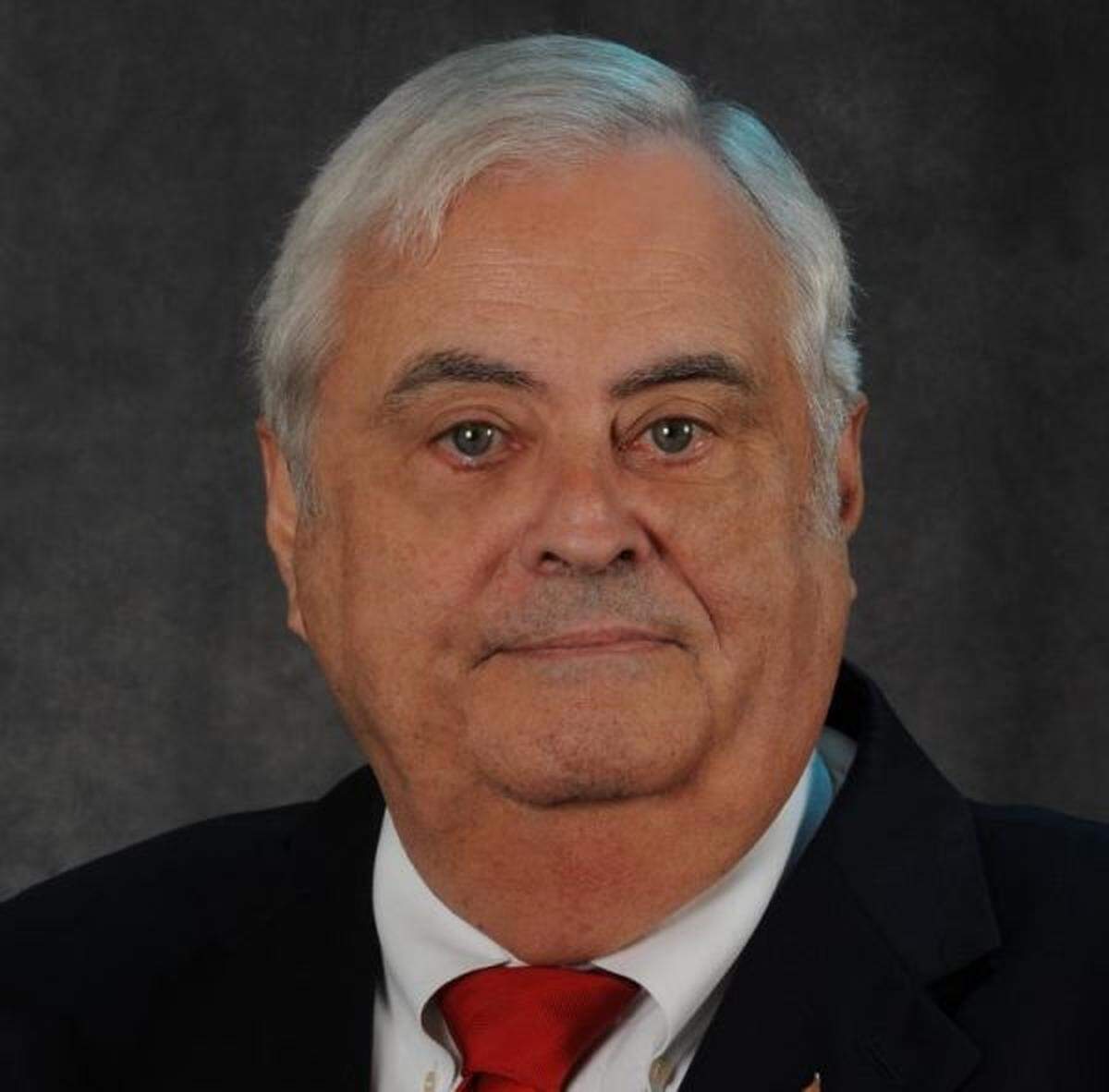
“If we jump off and change things every time we hear a rumor that the students may demonstrate, we’re going to let the prisoners run the prison,” Allie Ray McCullen said. “This is totally ridiculous.”
He argued this discussion needs to be done in person, not virtually, and said if the moratorium is lifted then by the next meeting they “will have a tractor-trailer of names that need changed.”
McCullen apologized for his comments later in the meeting, saying he does not view the university as a prison or the students as a prisoners. His apology came after a recess in the meeting. McCullen looked visibly distraught on the video conference call.
Some other trustees said they appreciated his apology and reinforced that they don’t doubt his love for the university.
Suggs, 20, was not as forgiving and said he did not feel the apology was sincere. He said this isn’t the first time McCullen has made “disparaging remarks against students.”
Suggs said McCullen referred to student protesters as “criminals” and “entitled wimps” during the controversy over the Confederate statue Silent Sam, which media outlets reported and was confirmed by UNC in 2018.
“It speaks to why we have so many hurdles and struggles with our Board of Trustees in the first place,” Suggs said. “Several of the members in leadership are truly disconnected from students and don’t necessarily have the best interest of students in mind if they’re making these kinds of comments.”
Moving forward with renaming buildings
With the moratorium lifted, UNC Chancellor Kevin Guskiewicz said he’s confident that the Commission on History, Race and a Way Forward can better do its work to help the university confront and teach its history and relationship with race.
That group, which began work in February, is tasked with identifying and recommending ways to address those issues, which could include the renaming of buildings on campus.
After the meeting, Guskiewicz told reporters this action “paves the way” for that group to fulfill its mission. He said this is the first of several actions to come.
Board Chair Richard Stevens said this is not a new item but it was “time to do it” and it will be an ongoing process.
“We felt this was an important first step,” Stevens said. “We will proceed next to have a discussion about guidelines for how buildings might be changed.”
The board and Guskiewicz are discussing a first draft of guidelines for the process that was shared with trustees before Wednesday’s meeting. Suggs said he hopes Black students and community members are part of those conversations about the process and discussions about specific campus buildings and property.
Stevens said the board hopes to adopt guidelines before or no later than the next board meeting, which is scheduled for July 15-16.
That meeting could be in person, as some staff and student-athletes are returning to campus this summer. During the meeting, several trustees supported the idea that these conversations about the guidelines and specific buildings be done in person.
Stevens said the board is anxious to get back to working on campus and when they do, they will follow all the rules set by UNC and the state and Orange County, which include face masks and social distancing.
This story was originally published June 17, 2020 at 10:11 AM with the headline "UNC-CH trustees vote to lift moratorium on renaming buildings and memorials on campus."