Companies need to look like the diverse communities they’re in, IBM’s top NC exec says
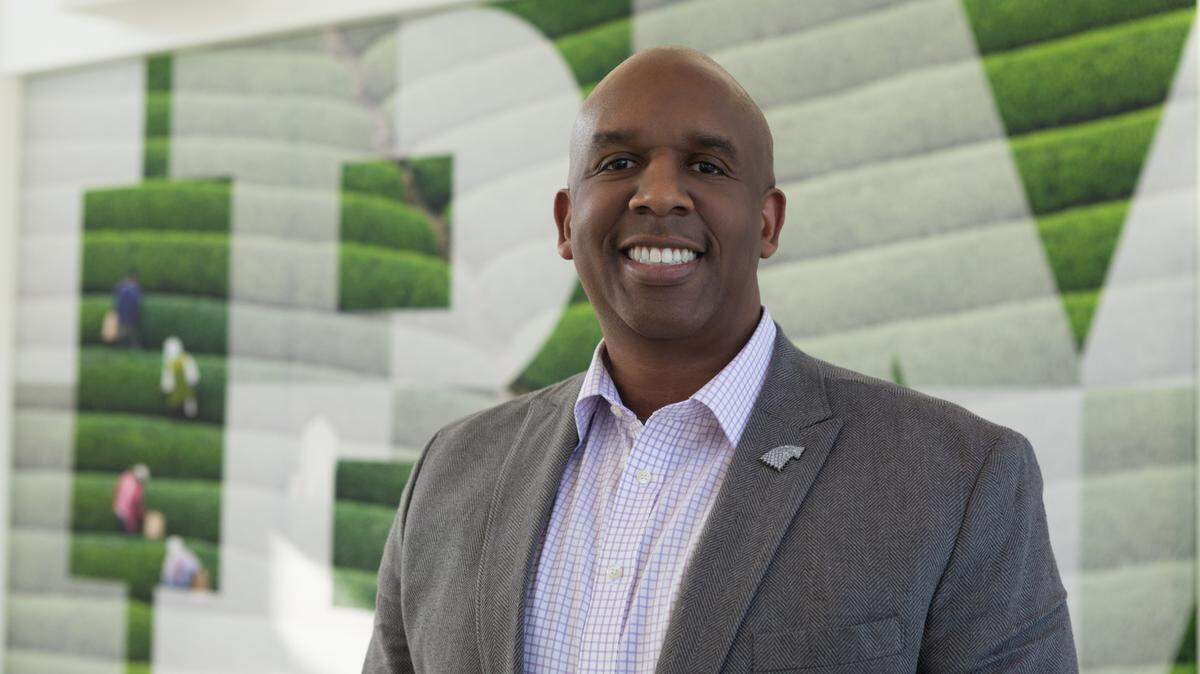
Tech companies need to do a better job of making sure their employees match the communities they are based in, says Tim Humphrey, IBM’s top executive in North Carolina.
“If you’re going to be a good corporate citizen, then your employee base should match its surroundings,” said Humphrey, one of the few African-American executives in the Triangle’s technology industry. “And quite often employers failed to look at that.”
But “we have to provide people the opportunity to learn and be trained,” Humphrey said of creating more diverse workplaces. “We can’t always only look at the workforce as something that we look to traditional colleges and universities to provide.”
Humphrey’s comments, in a phone interview with The News & Observer, come after IBM’s new CEO, Arvind Krishna, wrote a letter to Congress in support of police reform efforts in the wake of George Floyd’s killing in Minneapolis.
In the letter, Krishna advocated for police reform, like creating a federal registry of police misconduct, and expanding STEM education opportunities to communities of color.
IBM dropping facial recognition software
IBM will also stop creating facial recognition software because of its potential to be used in discriminatory ways, said Krishna, who replaced former IBM CEO Ginni Rommetty earlier this year.
“IBM firmly opposes and will not condone uses of any technology, including facial recognition technology offered by other vendors, for mass surveillance, racial profiling, violations of basic human rights and freedoms, or any purpose which is not consistent with our values and Principles of Trust and Transparency,” Krishna wrote. “We believe now is the time to begin a national dialogue on whether and how facial recognition technology should be employed by domestic law enforcement agencies.”
In the days since sustained protests have erupted around the country, IBM has launched company-wide discussions about how to promote racial equity at the technology giant. In North Carolina, Humphrey has led listening sessions with black employees, and reiterated to employees in the state that IBM supports the protests and increased dialogue around race in the workplace.
As a Fayetteville native and an alumnus of N.C. State University, Humphrey said the sustained peaceful protests that have been seen across North Carolina “makes me a very proud citizen of North Carolina.”
IBM employs more than 1,000 people at its Research Triangle Park office, making it one of the largest and most important tech employers in the Triangle. Humphrey is responsible for that office, as well as IBM’s overall footprint in the state.
“I sit in a unique position where I happen to be a black, executive leader in the company, so I think about this from a company angle, but also I think about this from a personal angle,” Humphrey said of IBM’s public calls for police reform.
“I have had situations with the police where I easily could have been one of these unfortunate victims that lost their lives had I said the wrong thing or moved the wrong way,” he said. “I’ve personally experienced situations with the police where I felt that I was being treated unfairly, as I was going about my businesses as just a law abiding citizen, you know doing no crime.”
“So ... when Arvind talks about, ‘We need police reform,’” he added, “It’s personal. I feel that nobody should have their civil liberties taken away from them. Nobody should have to live in fear.”
Beyond police reform
But, the conversation can’t stop at police reform, he added. In addition to advocating for police reform, IBM said it would like Congress to allocate more funding — like expanding Pell Grants — to non-four-year-college programs offering training in things like cybersecurity and cloud computing, as a way to increase diversity in the well-paying tech industry.
In recent years, IBM has created an apprenticeship program, which was piloted at the RTP office, to train workers without advanced degrees to code, run cybersecurity and a host of other skills. Around 90% of people in the program have become full-time IBM employees, the company said.
“For us, it definitely has helped with diversity,” Kelli Jordan, director of career and skills at IBM, told The N&O in February. “We do see candidates who may have not been able to go to a traditional college but have been able to build skills.”
Humphrey said a lot of tech companies were forced to look at non-traditional sources of talent because so many positions were being left unfilled. But he believes that technology is changing so fast, there will have to be a much larger emphasis on training new skills going forward.
Increasing diversity, he said, isn’t just an act of selflessness for companies. Increased representation makes companies more empathetic and aware of their biases, allowing them to make better decisions, Humphrey said.
But to achieve that, companies will have to reach out to communities of color and advocate to political leaders about investing in more educational pathways.
“When I was growing up in Fayetteville, I didn’t have examples of an engineer to see,” Humphrey said.
“People had to show me that that was a possibility.,” he said. “And the more [outreach] we can do that in our area. We’re going to have an area that is more united as a society, has economic prosperity [and] hopefully some of these problems that we face in the world start to become better, because we are doing things to advance all people and not just some people.”
This story was produced with financial support from a coalition of partners led by Innovate Raleigh as part of an independent journalism fellowship program. The N&O maintains full editorial control of the work. Learn more; go to bit.ly/newsinnovate
This story was originally published June 10, 2020 at 12:57 PM with the headline "Companies need to look like the diverse communities they’re in, IBM’s top NC exec says."