
Air attacks: Candidates for U.S. Sen. Lindsey Graham’s seat push TV ads
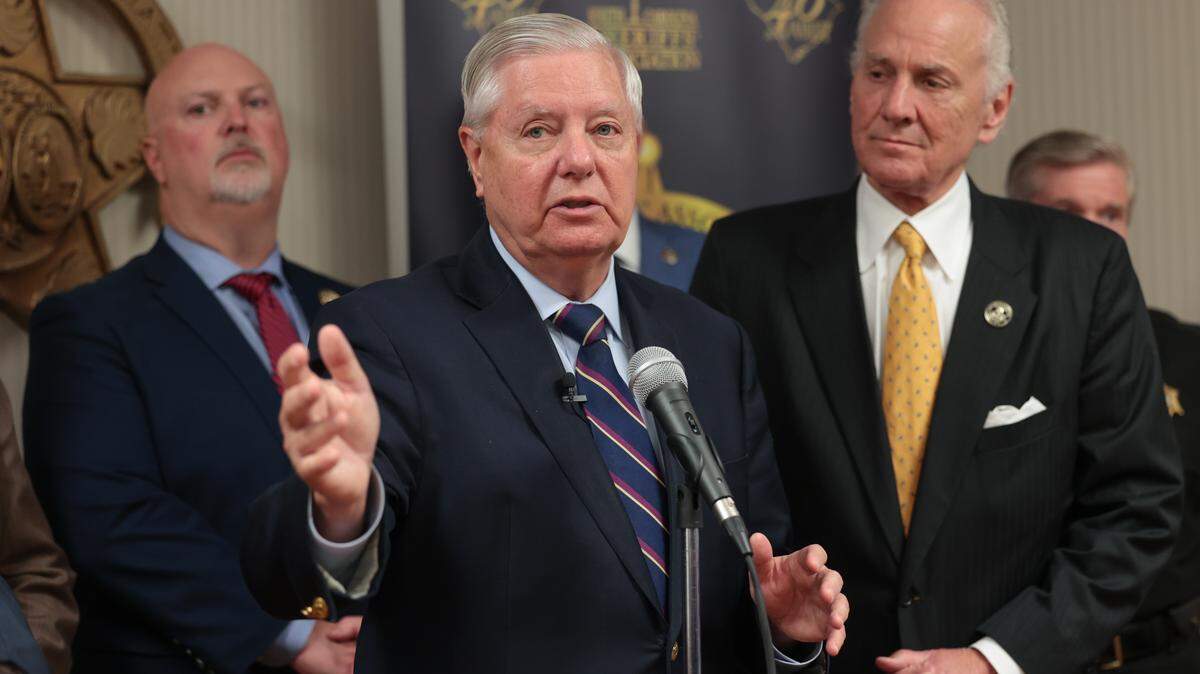
Five Republicans and three Democrats want to unseat U.S. Sen. Lindsey Graham this year, something no candidate has been able to do since he was first elected in 2002.
Graham is one of the most well-funded Republicans in Congress and has spent the most of any GOP Senate candidate in 2026 in the nation.
He has more money, more high-profile GOP endorsements and more name recognition than his Republican challengers. The senior senator has won four Republican primary elections with well over 50% of the vote since 2002.
In the weeks leading up to primary election, Graham spent millions more than any other candidate to defend his seat. Several candidates also ran ads on TV, and a shadowy Super PAC spent about $2 million to tear down Mark Lynch, another Republican candidate.
Calvin Cowen of Spartanburg County, York County motivational speaker Thomas Dismukes, Horry County business owner Patrick Herrmann, Upstate businessman Lynch and Columbia social media influencer Darius Mitchell filed to run against Graham for the Republican nomination. The winner will face the Democratic nominee and be favored to win in the general election in November.
Lynch has raised the second most amount of money in the Republican primary and has gained support from far-right lawmakers and anti-abortion advocates.
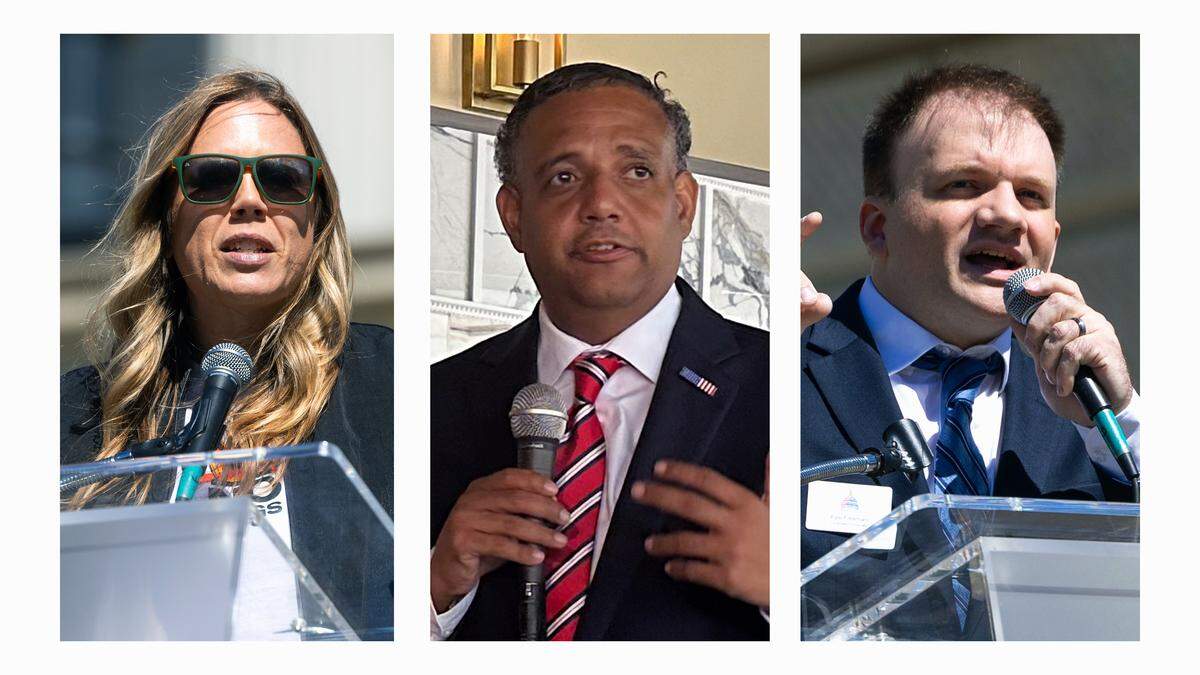
Pediatrician Annie Andrews, Upstate businessman Brandon Brown and Columbia logistic professional Kyle Freeman are seeking the Democratic nomination.
The primary election is June 9, and early voting is open through Friday. If one candidate from each party does not receive more than 50% of the vote, a runoff election is scheduled for June 23.
Democratic candidates say they can beat Graham
The three Democratic candidates made their pitch as to why they should be the nominee to the party Saturday morning. Andrews and Brown brought props, including baseballs and a brass band.
All three said they could do what hasn’t been done this century, even with record-breaking spending in 2020: beat incumbent Graham.
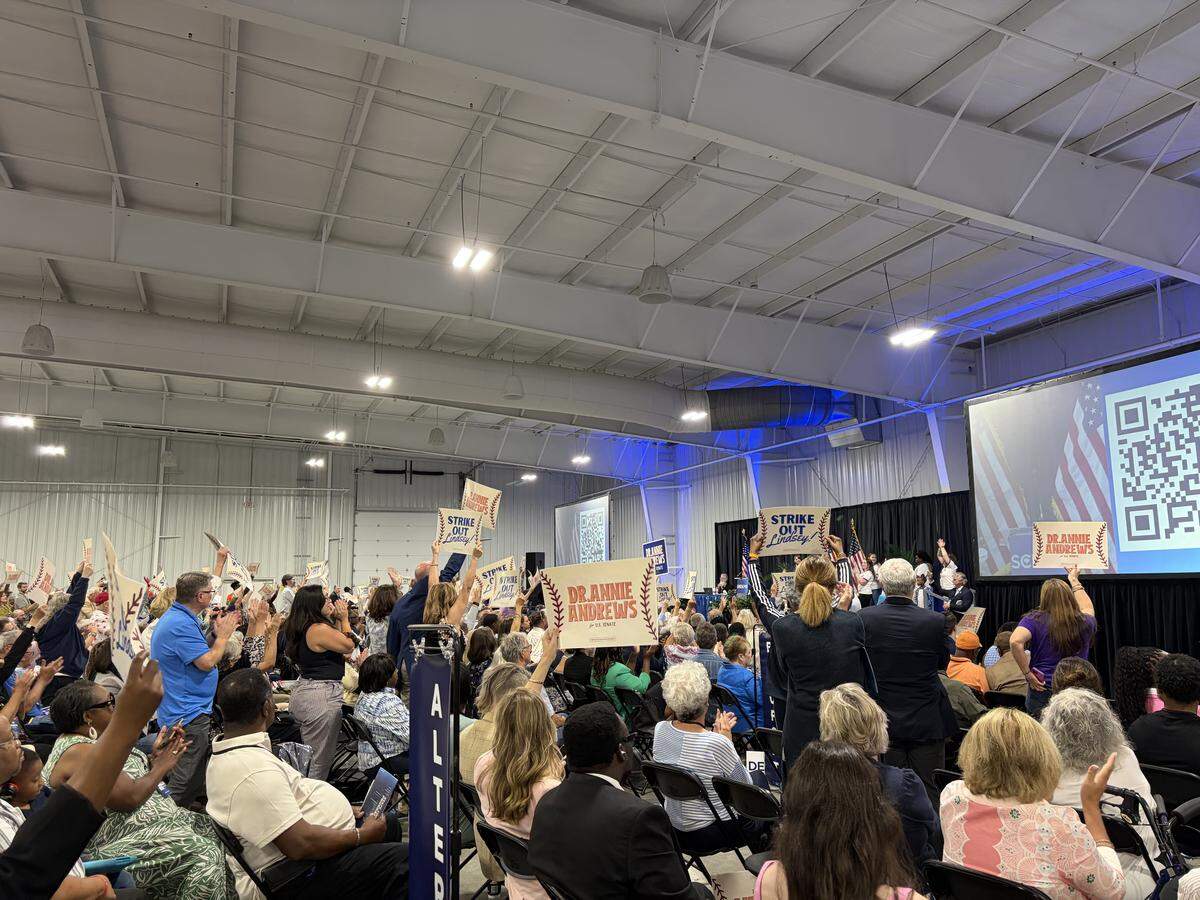
“Parents understand that I mean it when I say I would literally walk through fire for my children,” Andrews told the South Carolina Democratic Party convention. “And if I can walk through fire for my children, I can certainly take on Lindsey Graham for my children.”
Andrews, who has by-far the most cash on hand in the Democratic primary, said the record early voting turnout last week gave her hope for the minority party in November. About 80% of the more than 56,400 South Carolinians who turned out to vote early on the first day chose a Democratic ballot.
“These are new voters who are showing up to vote in a primary election in a midterm year, and it gives me so much hope for what’s possible,” Andrews told reporters in Columbia on Saturday.
Candidates with less cash for their campaign said they have relied on in-person voter outreach.
Brown said his outreach with the public helped him understand the challenges voters face.
“As I‘ve traveled across [the state], they’re sick and tired of just catering to party politics and not engaging in the actual meaningful conversation, to talk about what we need to do to get our communities going,” Brown said.
Freeman said he has also worked to connect with voters in-person.
“I always try to show up a little bit early, and I try to make sure that I’m the last person to leave, and that gives me the opportunity to speak to as many people as possible, because that is the most important thing that a representative does, is speak with people,” Freeman said in an interview in April.
Graham presumed Andrews would be the Democratic nominee when talking to supporters in Columbia on Saturday.
“If I win my primary, which is June the 9th, and I want to get over 50%, so we’re done,” Graham told supporters and reporters Saturday. “Then I can have a discussion with Annie Andrews about why don’t you want to admit you’re a Democrat? Every Democrat in South Carolina runs as a Democrat, but they won’t admit they’re one. I can’t wait to this contest with her.”
Dark money targets Lynch
An organization called Palmetto Action has spent more than $2 million in the South Carolina U.S. Senate race, but voters likely won’t have any idea about who is behind the group until after the primary.
The Super PAC, which doesn’t work for a specific candidate, has published ads on TV and social media targeting Lynch. Palmetto Action spent well over $1 million dollars on “media placements,” including TV ad buys, according to Federal Election Commission and Federal Communications Commission records.
The group officially filed with the federal election agency May 13 and won’t have to disclose its donors until later this summer. Super PACs can accept unlimited contributions from individuals, businesses and other political groups.
Lynch’s campaign issued a cease-and-desist letter to the organization Monday, according to a news release. Palmetto Action’s ads accuse Lynch of breaking immigration law and associates a campaign advisor with pedophilia, which is false, according to the release.
The treasurer listed on Palmetto Action’s FEC reports did not immediately respond to an email requesting more information about the organization’s leaders.
Who has gone on TV?
When South Carolinians watch the morning news or Jeopardy, they may see TV ads from Graham, Lynch or Andrews.
Graham has spent the most on TV ads in several media markets for about two months, including Columbia, Greenville and Charleston. .
Lynch also bought ads on several channels in the roughly two weeks before the primary election, according to FCC records.
Andrews purchased spots for the end of May and early June in multiple media markets, including Myrtle Beach and Columbia.
Who has the most cash?
Candidates must report how much they raised between the beginning of April and May 20 ahead of the primary election. They also must report large donations until the election.
Money helps candidates communicate with potential voters through in-person events, TV ads, signs and other outreach.
Incumbent Graham spent by-far the most in the months leading up to the primary election, though he still has the largest war chest. His campaign spent more than $7.6 million in the pre-primary period, but he has nearly $4.2 million cash on hand.
Andrews raised more than $1.5 million in that period and spent about $1.3 million. Her campaign ended the pre-primary period with more than $2.8 million cash on hand.
Lynch raised $119,000 in the pre-primary period and spent more than $2.1 million, leaving him with $1.3 million on hand. Lynch put $5 million of his own money into the campaign last year.
Dismukes brought in more than $7,000 and spent about $4,000. He has nearly $5,000 on hand.
Herrmann raised more than $1,600 and spent $12,000, leaving him with more than $1,660.
Freeman raised just under $800 and didn’t spend during the pre-primary period.
A pre-primary report has not been posted for Brown, Cowen or Mitchell.
Who has Trump endorsed?
Graham has picked up support from President Donald Trump, Gov. Henry McMaster, U.S. Sen. Tim Scott and U.S. Reps. Joe Wilson and Russell Fry.
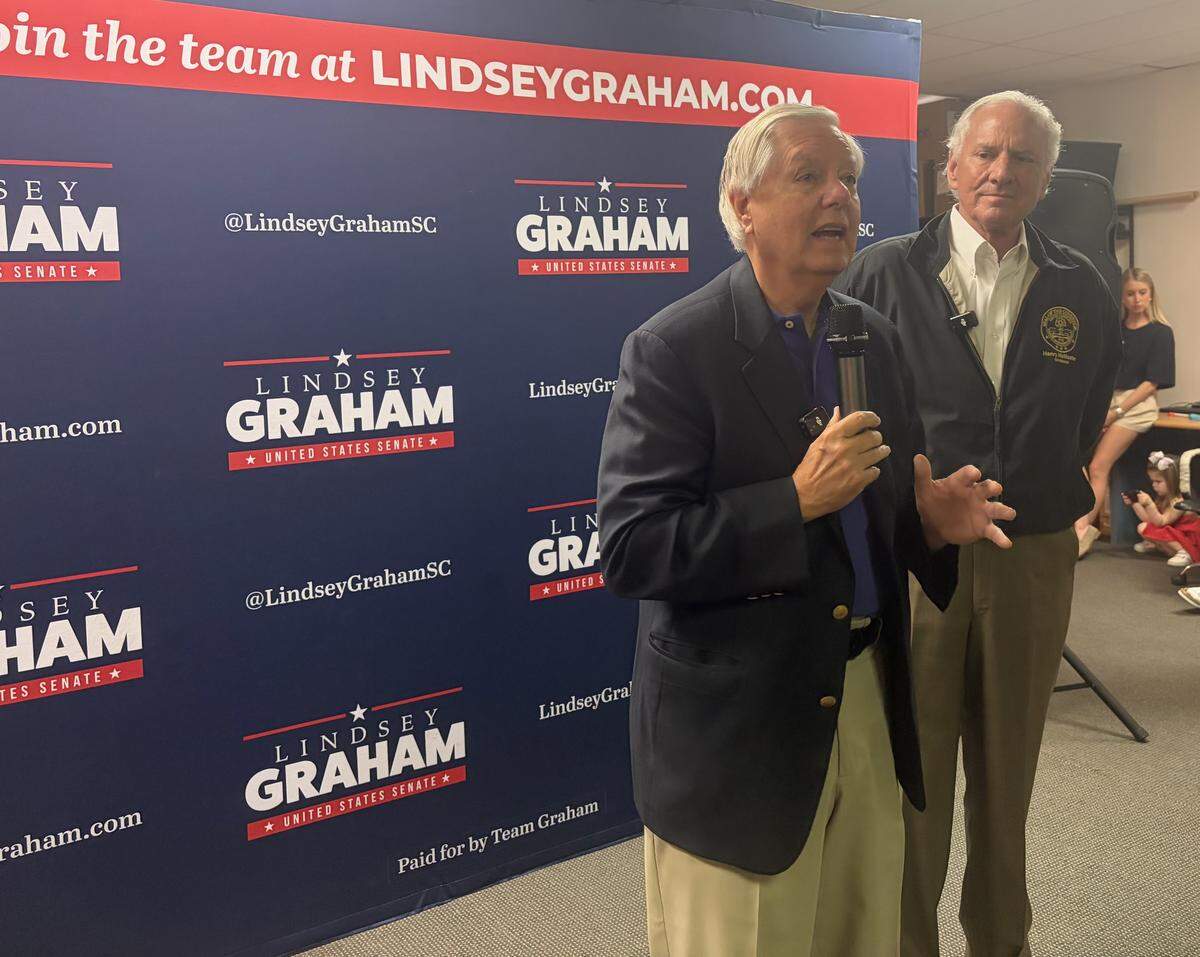
Trump’s endorsement has gone far in other state’s U.S. Senate Republican primaries this year, including his support of Ken Paxton in Texas and Ed Gallrein in Kentucky. Both beat incumbents following Trump’s endorsement.
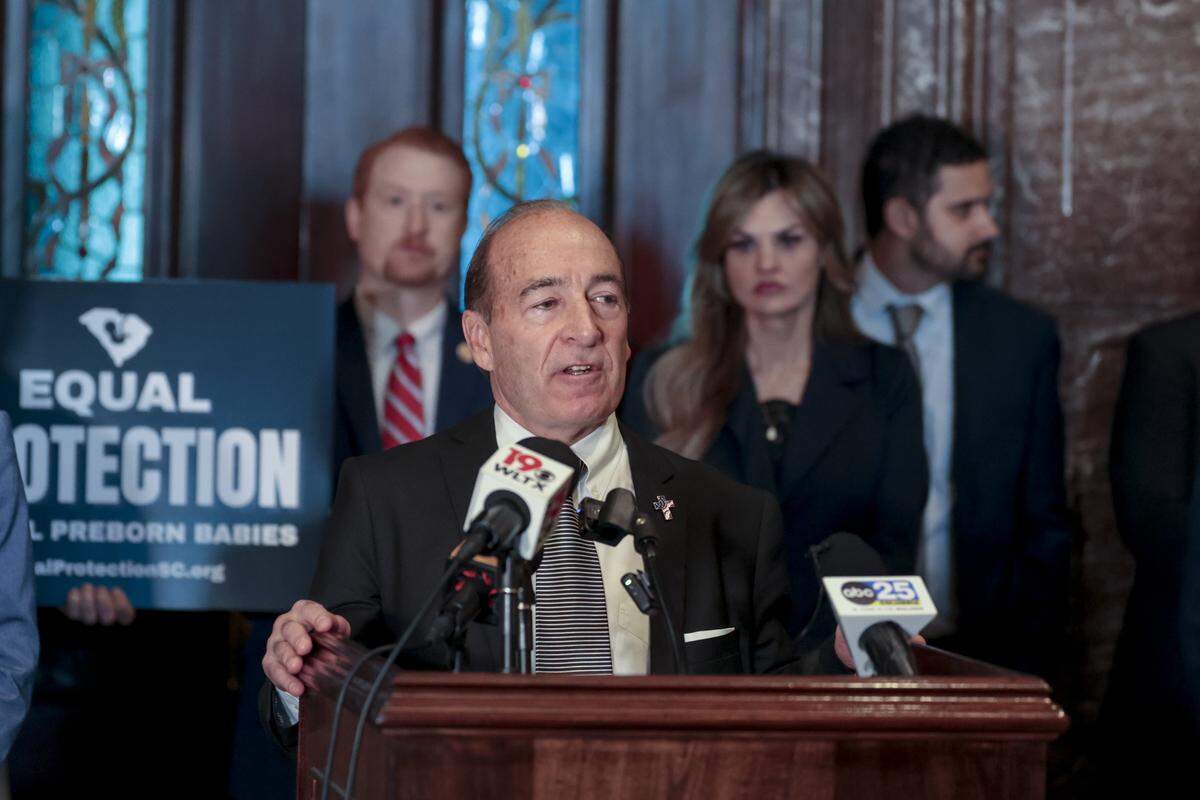
Also on the Republican side, Lynch has picked up support from several members of the S.C. Freedom Caucus, far-right anti-abortion group Equal Protection South Carolina and Greg Bovino, the former U.S. Border Patrol leader.
Andrews has been endorsed by national advocacy organizations 314 Action, which helps elect scientists, and Emily’s List. She also has the support of Jaime Harrison, the former Democratic National Committee chair. Harrison ran for U.S. Senate against Graham in 2020.
Brown has been endorsed by former U.S. Rep. Tim Ryan, D-Ohio. Brown also held a fundraiser with Jesse Jackson Jr. in Greenville, according to his campaign.
This story was originally published June 3, 2026 at 5:00 AM with the headline "Air attacks: Candidates for U.S. Sen. Lindsey Graham’s seat push TV ads."