GOP-controlled SC Senate kills 2026 redistricting push despite Trump pressure
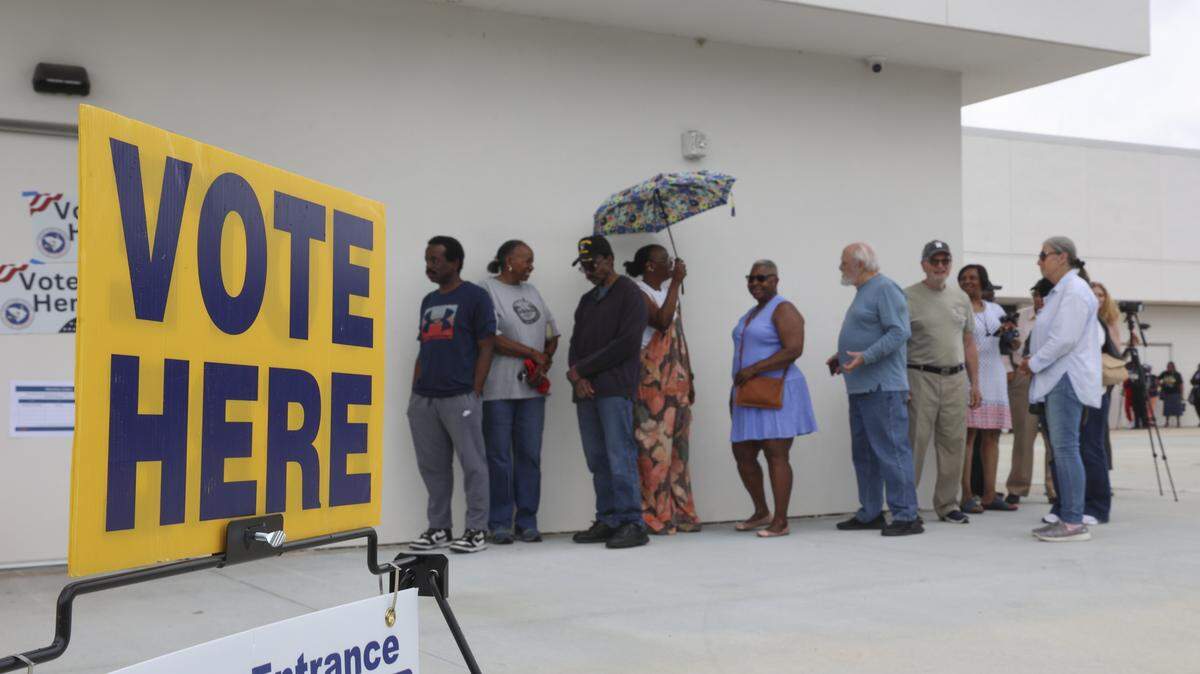
The South Carolina Senate killed a proposed congressional map for the 2026 election as thousands of voters went to the polls Tuesday, rebuking pressure from the White House to create seven reliably Republican districts.
With a record number of primary voters casting their ballots around the state Tuesday, the Senate’s Republican supermajority could not muster enough support to limit debate and force a final vote on a new congressional map.
“The deadline has passed, voting has begun,” said state Sen. Richard Cash, R-Anderson. “It is time to conclude the matter.”
Senators voted 26-18 to “continue” the redistricting bill and adjourned without taking up amendments or giving it a final vote, effectively ending the effort for the year.
The Senate is scheduled to return to Columbia on June 10, the day after the June 9 primary, to finish work on the budget and bills that have been sent to conference committees. The House, where all seats are up for reelection this year, has not set a date for a return.
The General Assembly spent eight days of a special session, and hundreds of thousands of state dollars, on the failed attempt to redraw the state’s congressional maps. The vote to reject redistricting occurred twelve days after the end of the regular legislative session.
While several Republicans opposed rushed middecade redistricting from the beginning, many more jumped ship on the effort by Tuesday. Twelve Republicans joined all 12 Democrats to oppose limiting debate Tuesday. On Saturday, only seven Republicans voted against invoking cloture, a procedure to cut debate short.
State Sen. Tom Davis, R-Beaufort, has opposed the effort since the Senate first voted not to take up redistricting after the end of the legislative session. He spoke against the hasty process of trying to adopt a new congressional map this year and made the final motion to quash the legislation.
“I’m stunned, stunned that something like this rises to the dignity of being considered on third reading in the Senate,” Davis said. “I am stunned.”
State Sen. Larry Grooms, R-Berkeley, the de facto leader of redistricting in the Senate, said he liked the proposed map and wanted to see it pass in an interview Saturday evening.
In a statement Tuesday, Grooms said Republicans worked quickly to clear a redistricting plan before in-person voting began but “the call from the governor came too late.”
Gov. Henry McMaster called the General Assembly back to take up redistricting less than an hour after both chambers adjourned for the year May 14. McMaster previously said he would leave redistricting up to the legislature and did not anticipate a special session.
“I am confident that one day South Carolina’s congressional delegation will be completely Republican,” McMaster said in a statement Tuesday afternoon. “I am disappointed that day has not yet come.”
“There will be no new congressional map for this election,” McMaster continued.
The House passed the new congressional map after three days of debate and a rules change last Tuesday. But redistricting had a challenging time in the state Senate, where more Republicans were skeptical of the last-minute effort and limiting debate had more hurdles.
Republican leaders in the House and Senate said the White House pushed South Carolina to try and redraw its congressional map and oust U.S. Rep. Jim Clyburn just weeks before the primary election.
But when early voting began Tuesday, senators believed it was too late to keep trying to redraw the congressional maps. By 5 p.m., 55,500 ballots had been cast in-person.
“When you get to today, and people were coming into the State House today, and they were seeing pictures of South Carolinians standing in line all morning, and then you keep getting these updates every 30 minutes as to what the turnout has been. It doesn’t surprise me this is where we ended up,” said Senate Majority Leader Shane Massey. Massey has opposed middecade redistricting since the beginning.
Massey also said the abbreviated schedule did not leave enough time for the redraw effort to pass. The House gave its final approval in the early morning May 20, after it adjusted its procedures to move the legislation along more quickly.
“They were trying to comply with constitutional requirements to ensure people had an opportunity to be heard and that House members had an opportunity to engage a map room, which we didn’t even have,” Massey said. “I think the House tried to move as quickly as they could. There never was enough time for this from the outset.”
Ultimately Senate rules and the calendar worked in favor of Democrats who were against the effort. Without suspending Senate rules, at least six days of debate were required before a final vote.
Senate Minority Leader Brad Hutto, D-Orangeburg, said his colleagues in the House asked how long Democrats had to drag out debate in the lower chamber.
“I recall telling them basically as long as possible,” Hutto said. “But if you could at least get it so that we don’t have to come back until Wednesday, and that’s what happened.”
Voters head to the polls
Before senators shut down redistricting for the 2026 elections, a record number of primary voters lined up outside of polling places on the humid Tuesday morning.
Janice Bright, 55, of Columbia, came to vote on the first day of early voting to send a message to the legislature against the redistricting efforts.
“Our numbers can balance whatever nefarious efforts you’re trying to make,” Bright said.
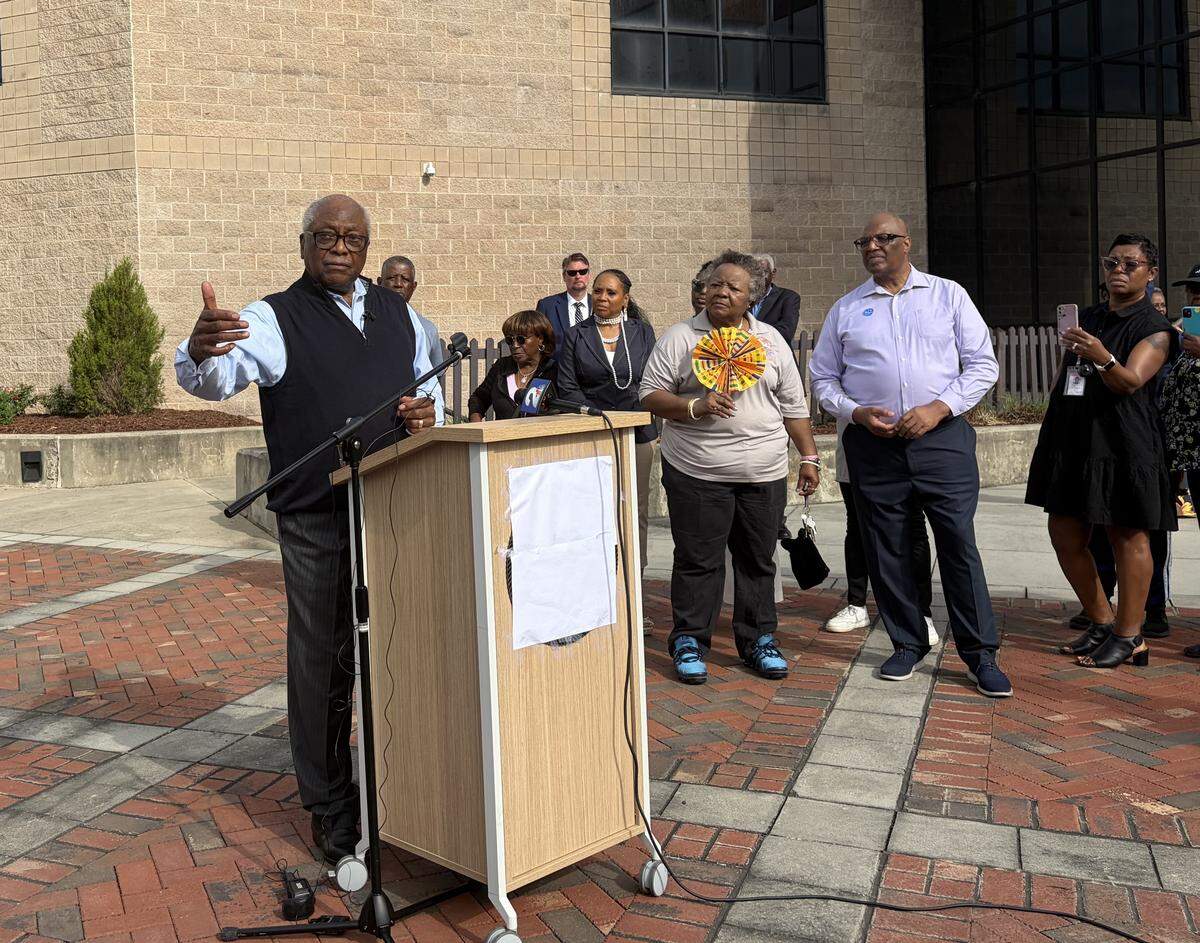
Clyburn, who voted in Orangeburg on Tuesday morning, told reporters before the Senate gaveled in he would have run in whatever district he lived. He encouraged residents to go out and vote early.
“The voters, all them asking, what can we do?” Clyburn told reporters Tuesday morning. “Vote early. Make them throw your vote out. And so that’s what this is about. Vote early, as many people as possible, and I think they’re listening.”
Massey said Tuesday reports of tens of thousands of people voting on the first day of early voting continued to sway senators who initially favored redrawing the lines for 2026.
Other Democratic lawmakers and candidates encouraged resident to turnout on the first day of early voting, in part to persuade lawmakers against redistricting and to potentially strengthen the opposition’s case if a court challenge were filed.
“It’s not us that persuaded the Republicans, it was the people,” Hutto said. “It was them. They got up this morning, normally, they would have gone to work, taken their kids to daycare, maybe gone on vacation. But they didn’t today. They went out to their early voting places, and they did so in ways that we have not seen before.”
This is a breaking news story and will be updated.
This story was originally published May 26, 2026 at 2:28 PM with the headline "GOP-controlled SC Senate kills 2026 redistricting push despite Trump pressure."