
Optional new toll lanes on highways included in SC’s plan to fix roads. What else?
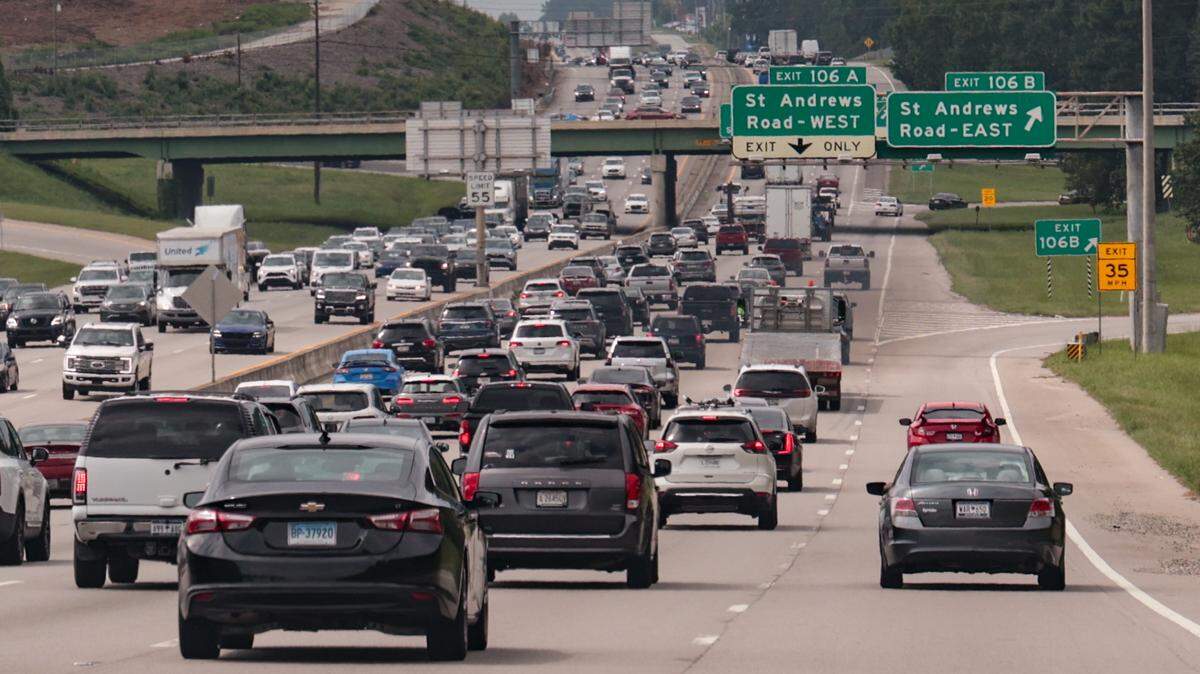
South Carolina’s busiest highways could see new lanes with less congestion — though they’ll come at a price to drivers.
Choice lanes allowing drivers to pay to cruise without congestion would be authorized in a large bill passed Wednesday. Lawmakers say changes in the proposal will make fixing South Carolina roads and bridges more efficient.
“While I think we’ve made tremendous progress in fixing out-of-date obsolete bridges, and we have done a great job with paving in a number of areas, we still have much work to do,” said state Rep. Robby Robbins, R-Dorchester.
The plan allows the construction of new lanes that can be driven on for a fee. Existing highways or lanes will not be tolled.
The fast-pass lanes would go in more congested areas of the state, like Charleston, said state Rep. Gary Brewer, R-Charleston. It will allow drivers willing to pay to bypass congestion, but it could also relieve traffic on the free lanes, he said.
“It’s congested areas, to be able to move people a lot quicker,” Brewer said after the vote. “It’s not meant for your Bambergs of the world. It’s not meant for your Marlboros of the world, and places like that. They’ll never show up there.”
The legislation also allows the Department of Transportation to partner with private entities on infrastructure projects, transfers environmental permitting to the state from the federal government, dissolves the state’s transportation commission and requires the South Carolina Department of Transportation to fill reported potholes in seven days.
A large panel of lawmakers met several times last year to find solutions to maintaining South Carolina’s 41,000 miles of state-maintained roads. South Carolina’s population growth has added demand for new development and ramped up wear-and-tear on roads by increasing congestion. Plus, inflation has made infrastructure projects more expensive, leading the Department of Transportation to seek more money.
“I think that before we can get to improvement, we’ve got to improve efficiency, and that is what this bill is all about,” Robbins said.
The bill now heads back to the state Senate, which passed the legislation with broad support in March. The House made several changes to the Senate version, so the upper chamber will have to agree to changes or send the bill to conference committee. Conference committees are where six lawmakers iron out the legislative differences on prospective laws.
State Rep. Bruce Bannister, R-Greenville, said he did not expect the Senate to agree to the changes made in the bill, including eliminating the transportation commission.
“They [Senate] have historically been very protective of the commission,” Bannister told reporters. Bannister chairs the Ways and Means Committee, where the bill was heard.
What didn’t make it in the House’s roads bill?
The bill passed unanimously, 114-0. But it didn’t start that way, with lawmakers putting up well over 100 amendments and deriding the legislation on social media for several weeks.
But an amendment proposed early Wednesday struck the more controversial portions of the bill, including a provision incentivizing local governments to take over state roads.
“We tried to pick all the things that created a lot of discussion and controversy ... .and said, ‘Listen, those are all arguments we can have another day,” Bannister said.
Higher fees on electric vehicles, which were originally included in the House version of the bill, were also left out of the bill. The plan created controversy in both Republican and Democratic caucuses, Bannister said.
This story was originally published April 30, 2026 at 5:00 AM with the headline "Optional new toll lanes on highways included in SC’s plan to fix roads. What else?."