
Myrtle Beach wants to amend 1% sales tax for tourism. Will property taxes change?
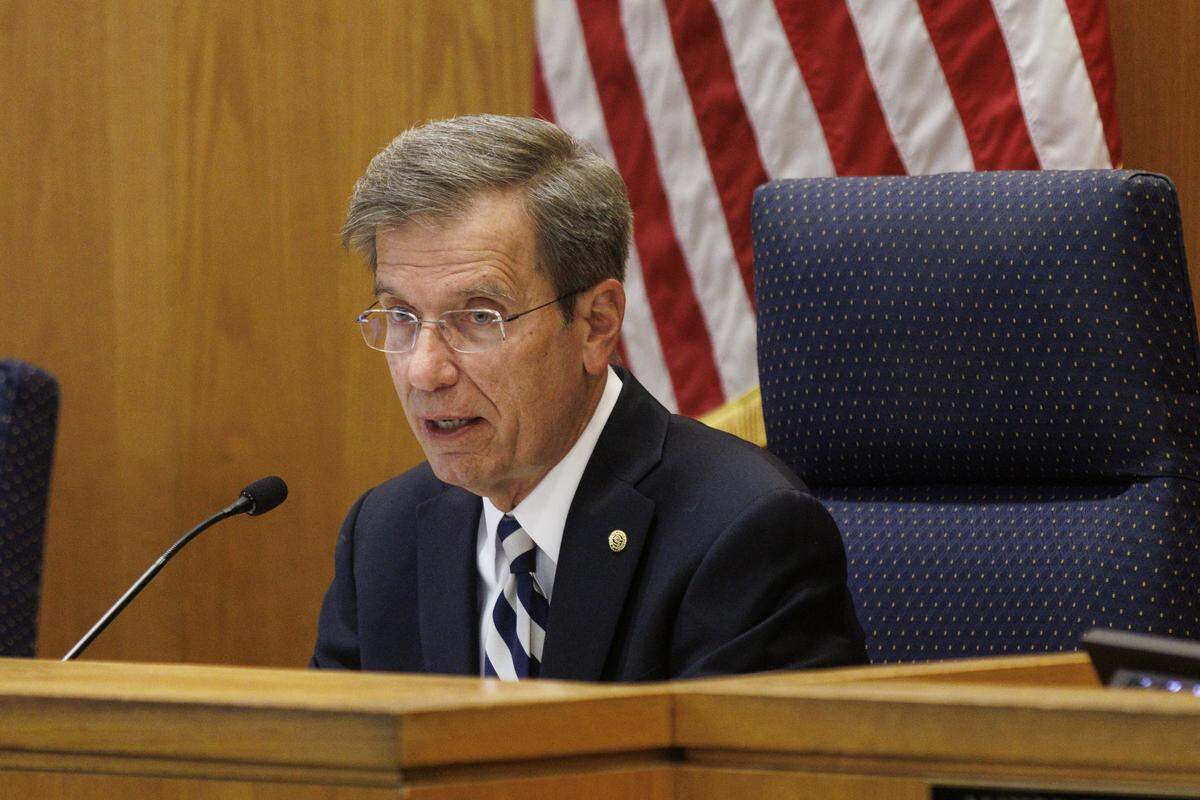
The Tourism Development Fee has always played a key role in Mayor Mark Kruea’s mayoral platform, even before Myrtle Beach voted him into office, but he says residents likely won’t see a change until next year.
“It’s a conversation that we’ve talked about having for five or six years, and this is the year that we’re actually going to have that conversation,” Kruea said. “It may not be until next year that we go to Columbia with a unified plan, and we’re all conscious that we need to go to Columbia as one voice and say, ‘Lawmakers, here is our plan.’”
Last year, Kruea said the TDF would effectively become a tax hike and told The Sun News, he would revisit the TDF in early 2026 if elected. Headed into this year’s budget retreat next week, the mayor said he’s met with the Chamber of Commerce
“In a perfect world, we would reach some agreement and be able to present a unified plan to Columbia this year, but I genuinely think it’s going to be next year before we can achieve that,” said Kruea.
What’s wrong with the TDF in Myrtle Beach?
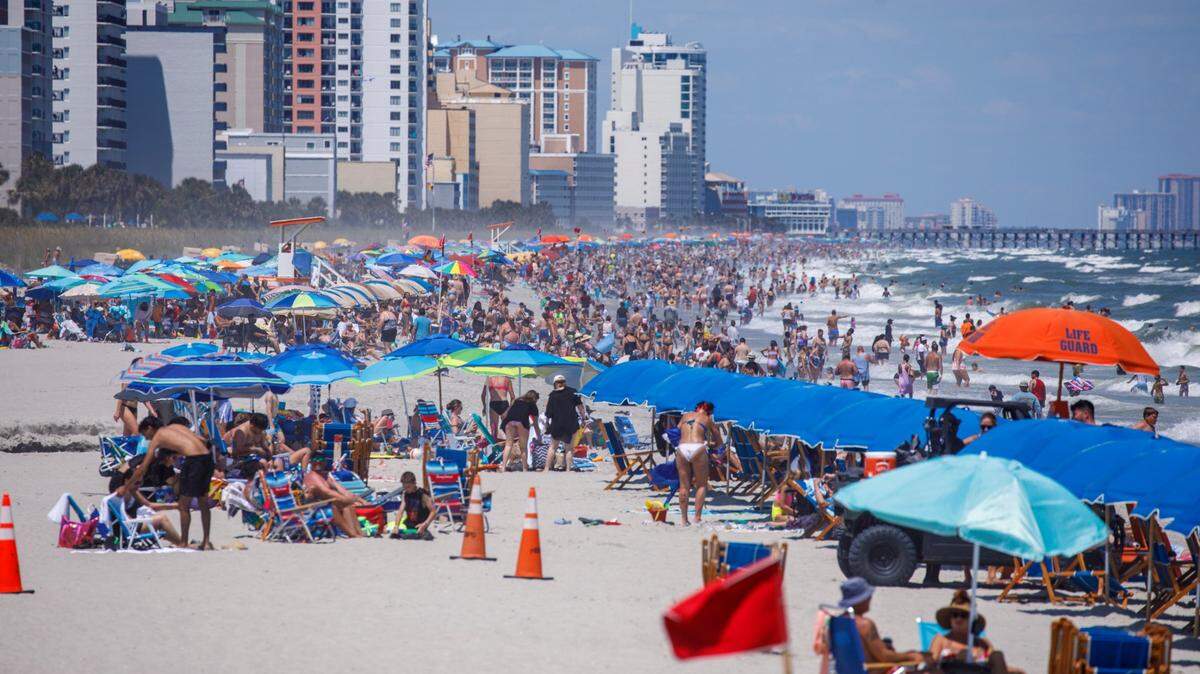
Created in 2009 amid economic downturn, the TDF was created to generate money for advertising, fund tourism-related capital projects and provide a property tax break.
Under South Carolina law, 80% of the revenue generated from the 1% local sales tax must be used to promote tourism. The remaining 20% can fund property tax credits and capital improvements, like additional sports tourism facilities or redeveloping the pavilion site.
That’s a problem for Myrtle Beach, Kruea says.
“In the current year’s budget, the city is using all of the 20% for the property tax credit and had to supplement that with an additional $1.2 million just to keep the tax credit where it was the year before, so there was no money left over for tourism-related capital projects,” he said. “In next year’s proposed budget, the CFO is estimating that that $1.2 million to keep the property tax credit where it is will grow to $2.3 million.”
How can Myrtle Beach change the TDF?
Because the TDF is enshrined in South Carolina law, local officials will need buy-in from state leaders to amend the fee. Before taking the issue to Columbia, Myrtle Beach leadership wants to develop a mutual proposal.
“I realize that it is a conversation, and the compromise is going to be necessary to achieve a unified plan,” Kruea said.
It’s unclear how exactly that plan will look. The mayor’s vision involves keeping advertising, tourism-related capital projects and a property tax credit – but altering the ratios.
“We need to talk about how to change the percentages so that they benefit the whole community,” said Kruea. “Granted, the city may need to adjust the property Tax Credit, but we can’t continue using all of the 20% for the property tax credit and having to add extra money to keep the tax credit whole.”
While residents shouldn’t expect change in the near future, once plans for a TDF amendment finally make it to the state level, the mayor is confident that lawmakers and the general assembly will be amenable to the change.
“The conversation is overdue, and I’m hopeful that we’ll come to some sort of excellent compromise when it’s all said and done,” Kruea said.